
Hydration and Physical Activity: What General Guidance Says
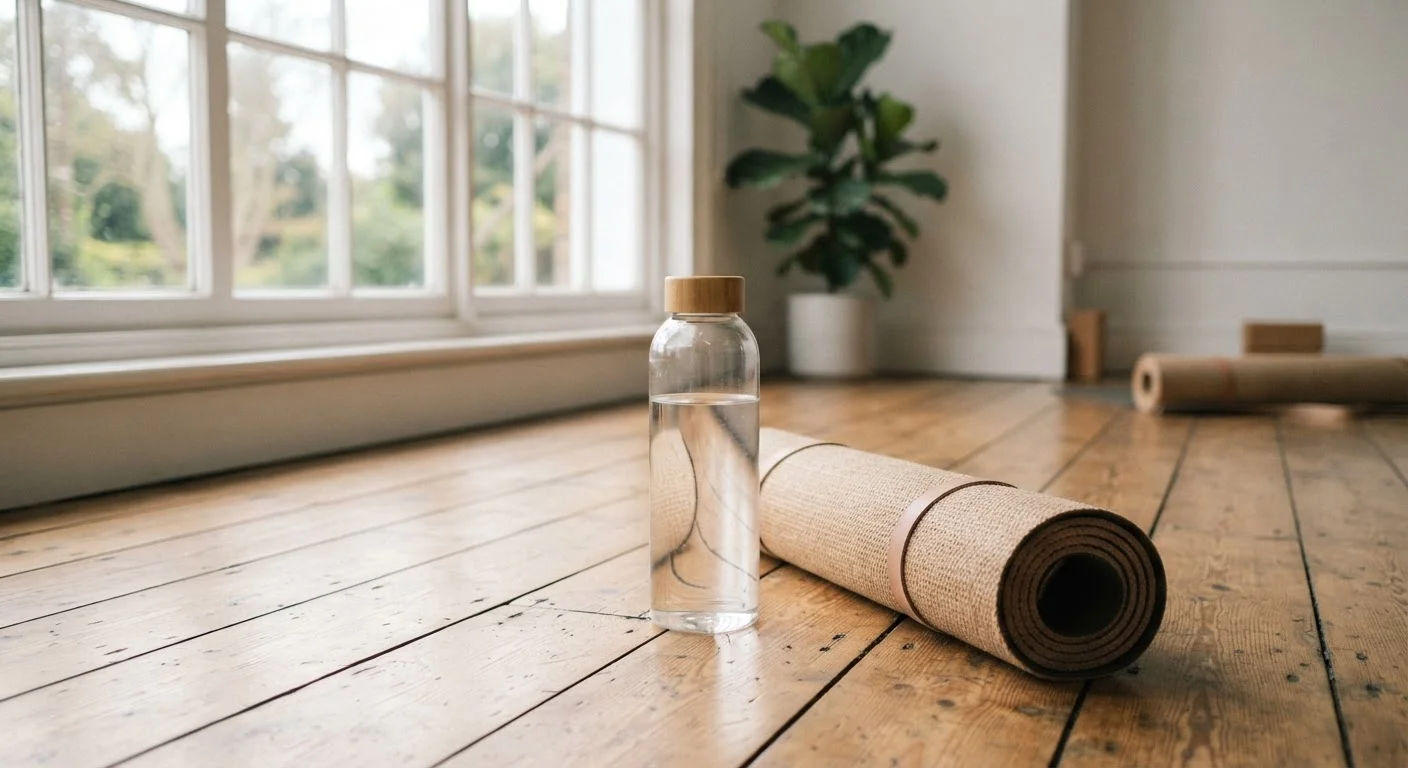
Photo credit: AdvisorHQ.net | Informative Website
In this article
Fluid needs vary by individual, intensity, and climate. A clear look at how hydration relates to exercise performance and general well-being—without the hype.
Why Hydration Matters During Physical Activity
Water makes up a significant portion of the human body and plays a central role in nearly every physiological process - including muscle contraction, joint lubrication, temperature regulation, and nutrient transport. During physical activity, the body generates heat, and sweating is the primary mechanism for cooling down. That fluid loss, if not replaced, can affect how you feel and how well you move.
Even mild dehydration - generally described in research as a loss of 1-2% of body weight through fluid - has been associated with reduced endurance, increased perceived effort, and impaired concentration. This applies whether you're doing a brisk walk, a yoga session, or a higher-intensity workout. The relationship between hydration and performance is well-established in exercise science, though individual responses vary considerably.
For those exploring low-impact movement options, it's worth knowing that even gentler activity raises fluid needs - particularly in warm environments or during longer sessions.
General Hydration Guidelines: What the Evidence Supports
There is no single universal fluid intake number that fits every person or every workout. Guidance from health and sports medicine organizations generally points to several key principles:
- Before exercise: Arriving well-hydrated is more effective than trying to catch up mid-session. Drinking water consistently throughout the day supports this.
- During exercise: For most people engaged in moderate activity lasting under an hour, water is sufficient. Drinking to thirst - rather than following a rigid schedule - is a reasonable approach for most recreational exercisers, according to current guidance from organizations including the American College of Sports Medicine.
- After exercise: Replacing fluid lost through sweat is important for recovery. A general benchmark is to drink enough to restore normal urine color (pale yellow is typically the target).
Electrolyte replacement - through drinks containing sodium and potassium - becomes more relevant during prolonged exercise (generally over 60-90 minutes) or in hot, humid conditions. For typical shorter workouts, plain water is usually adequate.
Dehydration
A state in which the body loses more fluid than it takes in, reducing total body water. Even mild dehydration can affect physical and cognitive performance.
Electrolytes
Minerals such as sodium, potassium, and magnesium that carry electrical charges and help regulate fluid balance, muscle function, and nerve signaling in the body.
Sweat rate
The volume of sweat a person produces per unit of time during exercise. Sweat rate varies considerably between individuals based on genetics, fitness level, and environmental conditions.
Hyponatremia
A condition in which sodium levels in the blood become dangerously low, sometimes caused by drinking excessive plain water without replacing electrolytes during prolonged exercise. It is uncommon but can be serious.
Thermoregulation
The body's process of maintaining a stable internal temperature. Sweating and increased blood flow to the skin are key thermoregulatory responses during physical activity.
Factors That Influence Individual Fluid Needs
Hydration is not one-size-fits-all. Several variables affect how much fluid a person needs during physical activity:
- Body size and composition: Larger individuals and those with more muscle mass tend to produce more heat and sweat more.
- Sweat rate: Sweat rates vary significantly between individuals, even at the same exercise intensity.
- Climate and humidity: Hot, humid conditions substantially increase fluid losses. Air conditioning and cooler weather reduce them.
- Exercise intensity and duration: Higher intensity and longer duration both increase fluid needs.
- Fitness level: Well-trained individuals often begin sweating earlier and at a higher rate, as an efficient cooling adaptation.
- Health status and medications: Certain medical conditions and medications can affect fluid balance. If you have a chronic condition or take regular medication, consult a healthcare provider about your specific needs.
Hydration also intersects with broader well-being. Research suggests that maintaining good fluid status may support cognitive function and mood - areas also connected to the mental health benefits of regular movement.
This article provides general health information for educational purposes only and is not a substitute for personalized advice from a qualified healthcare professional. If you have specific health concerns or conditions, please consult a doctor or registered dietitian before making changes to your hydration habits or exercise routine.

Author
Health & Beauty Editorial Team
Health & Beauty Editorial Team is the collective byline for our editorial team and contributor network. Articles published under this byline or an editorial pen name are researched, written, and reviewed according to our editorial standards for clarity, consistency, and independence before publication.
View all articles →