
Brake Pads vs. Brake Rotors: Understanding What Wears and When
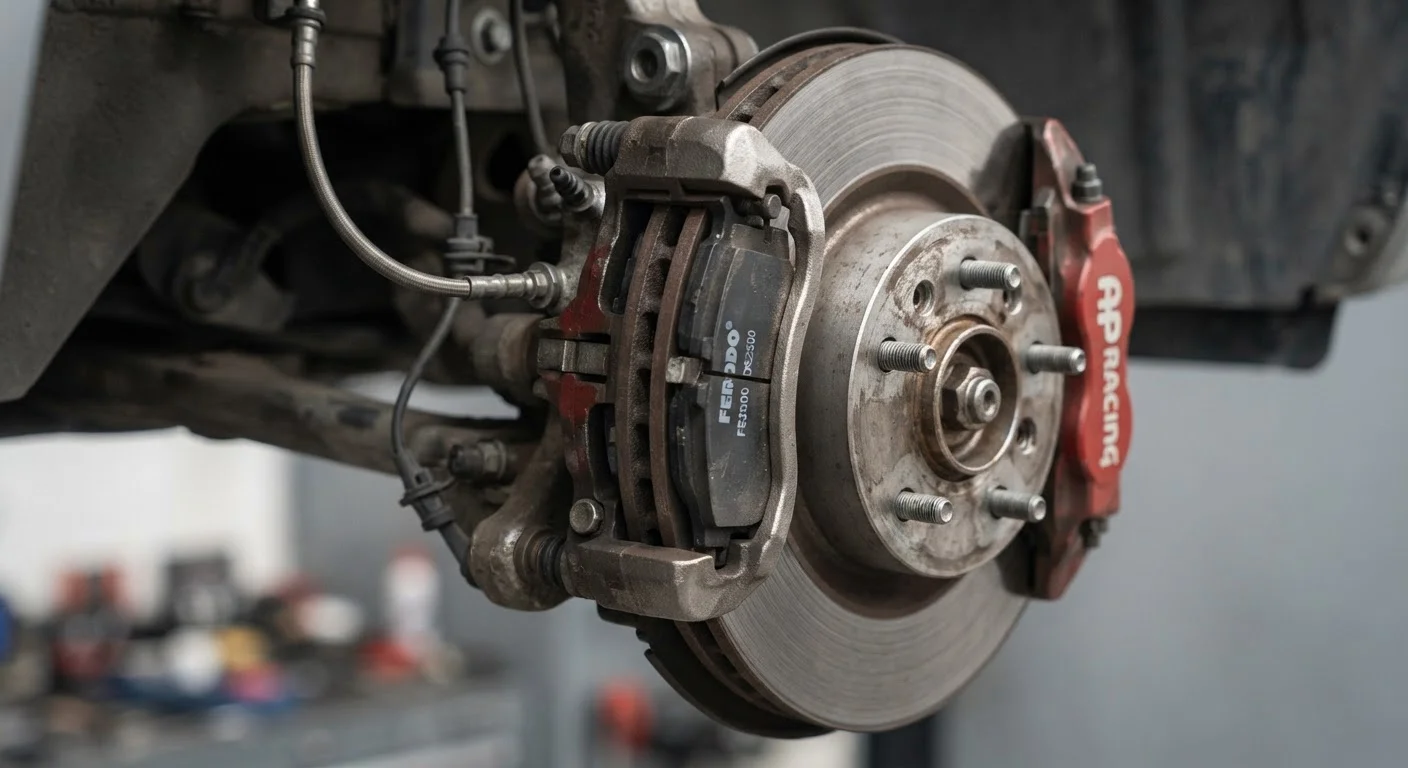
Photo credit: AdvisorHQ.net | Informative Website
In this article
Brake pads and rotors both wear out, but not in the same way. Learn the difference, the signs of wear, and when each needs attention.
Key Takeaways
- Brake pads wear much faster than rotors and typically need replacement every 25,000-65,000 miles.
- Rotors can often be resurfaced if thickness allows, but must be replaced when below minimum spec.
- Squealing usually signals pad wear; pulsating or vibration often points to rotor issues.
- Replacing pads and rotors together is generally recommended for optimal braking performance.
- Driving habits and vehicle weight heavily influence how quickly both components wear.
How Each Component Works
Your brakes rely on controlled friction. When you press the pedal, hydraulic pressure forces the brake caliper to squeeze the brake pads against a spinning rotor. That friction converts kinetic energy into heat, slowing the vehicle. Both parts are essential, but they play different roles - and they wear at different rates.
Brake pads are made of a friction compound bonded to a metal backing plate. They are designed to be the disposable element in the system, gradually worn down by contact with the rotor during every stop you make.
Brake rotors (also called brake discs) are the large metal discs mounted to the wheel hub. They provide the hardened surface against which the pads clamp, and they disperse the heat generated during braking. Rotors are built to last longer than pads, but they are not immune to wear, cracking, or warping.
| Criterion | Brake Pads | Brake Rotors |
|---|---|---|
| Function | Creates friction against the rotor | Provides braking surface, dissipates heat |
| Typical lifespan | 25,000-65,000 miles | 50,000-80,000 miles |
| Common wear sign | Squealing or grinding noise | Pedal pulsation or vibration |
| Replacement frequency | More frequent (consumable part) | Less frequent; may be resurfaced |
| Relative cost | Generally lower cost per set | Higher cost per pair |
| Can be repaired vs. replaced? | Replace only | Resurface if above minimum thickness |
Signs of Wear: How to Tell Them Apart
Knowing which component is failing helps you communicate clearly with a mechanic and avoid unnecessary repairs.
Brake Pad Wear Indicators
- Squealing or squeaking: Most pads include a small metal tab called a wear indicator. When the friction material thins past a safe level, this tab contacts the rotor and produces a high-pitched squeal - by design.
- Grinding noise: If squealing is ignored, pads can wear through completely. Metal-on-metal grinding is a serious warning that pad replacement is overdue and rotor damage may already be occurring.
- Longer stopping distances: Reduced pad thickness means less friction, which can gradually lengthen the distance it takes to stop.
Brake Rotor Wear Indicators
- Pedal pulsation or vibration: A brake pedal that pulses under pressure usually points to a warped or unevenly worn rotor surface. You may also feel vibration through the steering wheel.
- Visible grooves or scoring: Deep grooves cut into the rotor face indicate the surface has been damaged, often from worn-through pads.
- Thickness below minimum spec: Rotors have a minimum thickness rating stamped on the hub. A mechanic's micrometer measurement below that spec means replacement is required regardless of appearance.
Resurfacing vs. Replacing Rotors
Rotors with light surface rust or minor scoring can sometimes be machined flat - a process called resurfacing or "turning" - rather than replaced outright. However, this is only possible if the rotor remains above the manufacturer's minimum thickness spec after material is removed. A qualified mechanic can measure rotor thickness with a micrometer and advise whether resurfacing is safe and cost-effective in a given situation.
Just as brake health matters, so does overall vehicle safety. Tire condition directly affects braking distance, so it's worth inspecting both systems together.
Replacement Intervals and What Affects Them
There is no single mileage figure that applies to every driver, because wear depends on how and where you drive.
25,000-65,000 mi
Typical brake pad service life
The American Automobile Association notes that pad lifespan varies widely based on driving style and environment, with city drivers often replacing pads more frequently.
~70%
Braking force handled by front brakes
Because front brakes bear the majority of stopping load due to weight transfer, front pads and rotors generally wear faster than rear components.
Brake pads typically last between 25,000 and 65,000 miles under normal driving conditions. City driving with frequent stops wears pads significantly faster than highway driving. Drivers who ride the brakes downhill or brake late and hard will see the lower end of that range.
Brake rotors generally last between 50,000 and 80,000 miles, though this varies considerably. Driving habits, vehicle weight, and whether pads were replaced on schedule all affect rotor longevity. A set of pads allowed to wear completely through can destroy a rotor in a short period.
When replacing pads, mechanics often recommend inspecting rotor thickness and surface condition at the same time. If rotors are near minimum thickness, replacing both together avoids a second labor charge shortly after. Always follow the vehicle manufacturer's service intervals listed in the owner's manual as a baseline.
This article provides general educational information about vehicle maintenance. For repairs involving brake components, consult a qualified mechanic - brakes are a critical safety system and improper service can be dangerous.

Author
Cars & Driving Editorial Team
Cars & Driving Editorial Team is the collective byline for our editorial team and contributor network. Articles published under this byline or an editorial pen name are researched, written, and reviewed according to our editorial standards for clarity, consistency, and independence before publication.
View all articles →