
Assumptions About Mexico That Lead Travelers Astray
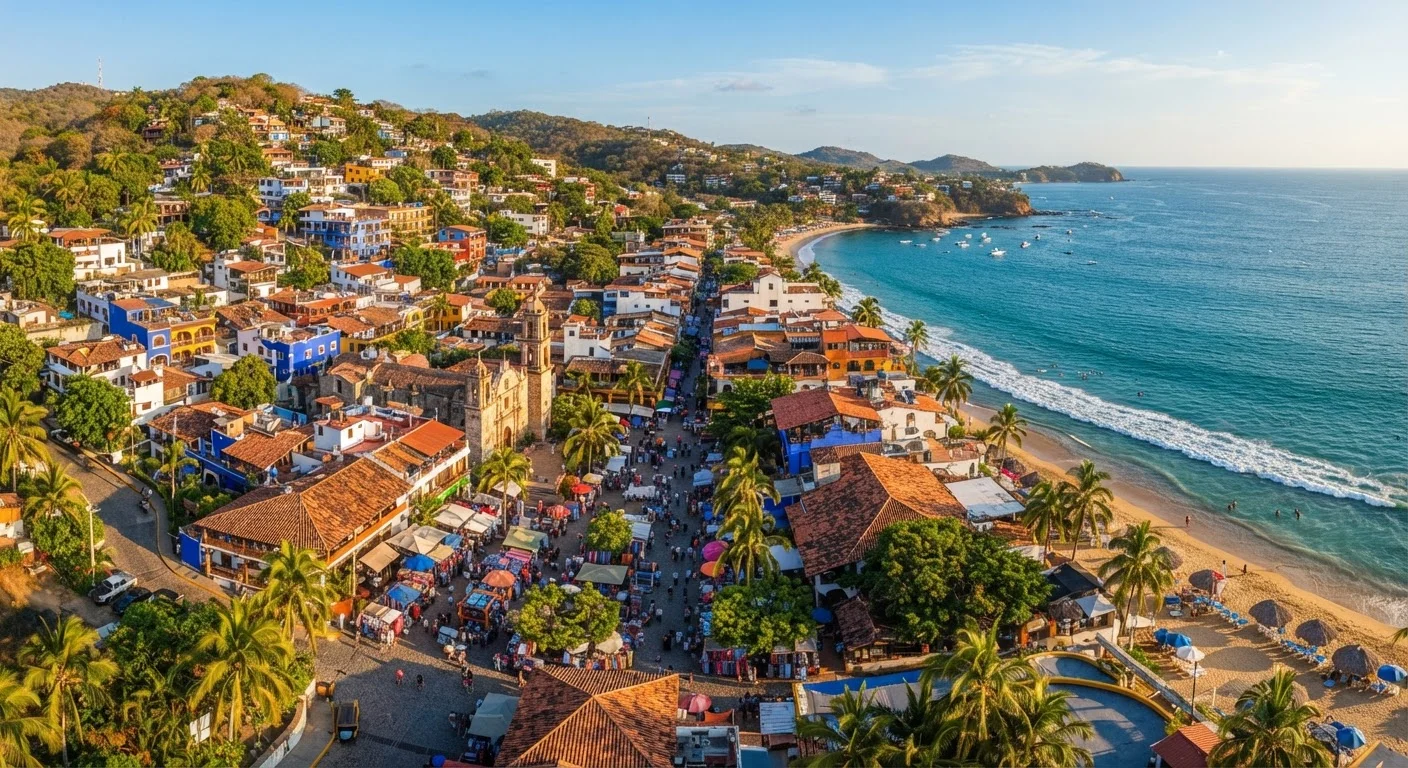
Photo credit: AdvisorHQ.net | Informative Website
Mexico is one of America's most visited neighbors — and one of the most misunderstood. These common misconceptions affect how people plan and travel.
Key Takeaways
- Mexico is far larger and more regionally diverse than most travelers assume before visiting.
- Safety conditions vary dramatically by region and city - blanket generalizations are rarely accurate.
- Assuming Spanish-only communication or US dollars everywhere can lead to frustrating, costly situations.
- Street food is a celebrated culinary tradition, not inherently a health risk for cautious travelers.
- Rainy season varies significantly by region, making weather assumptions a common trip-planning mistake.
Why Mexico Gets Misread So Often
Mexico shares nearly 2,000 miles of border with the United States and receives tens of millions of American visitors every year - yet it remains one of the most assumption-laden destinations in travel. The gap between perception and reality isn't just an inconvenience; it shapes decisions about where to go, how to prepare, and what to expect once you're there.
Much of the misreading comes from limited exposure. Many American travelers know Mexico primarily through all-inclusive resort corridors, which represent a small and carefully managed slice of a country spanning diverse biomes, languages, and cultures. Add in media coverage that rarely distinguishes between regions, and it's easy to see how oversimplified mental maps form.
The good news: understanding these assumptions before you book makes for a dramatically better trip. Below are the most consequential misconceptions - and what to do instead.
Treating Mexico as a single, uniform destination with one safety profile.
Why it happens: Media coverage tends to apply national-level headlines to the whole country, making it hard to distinguish between regions with very different conditions.
Assuming the entire country is coastal or resort-focused.
Why it happens: Popular travel marketing heavily features beach destinations like Cancún, Los Cabos, and Puerto Vallarta, leaving the impression that's what Mexico primarily offers.
Believing street food is automatically unsafe to eat.
Why it happens: Overly cautious travel advice, often written without regional nuance, paints all informal food vendors as health hazards.
Assuming U.S. dollars will work everywhere and planning budgets accordingly.
Why it happens: Because some tourist zones do accept dollars, travelers sometimes extrapolate that practice to the whole country.
Underestimating travel distances and transit times within the country.
Why it happens: Maps compress perception of scale, and travelers don't always account for road conditions, mountain terrain, or limited direct flight routes between Mexican cities.
Packing and planning as if Mexico has one climate.
Why it happens: Travelers often think "warm country" and pack accordingly, not realizing that altitude, latitude, and season create wildly different conditions across regions.
Planning Smarter for Your Mexico Trip
The through-line across all these mistakes is the same: Mexico rewards specificity. The more clearly you define which Mexico you're visiting - coastal Quintana Roo, highland Oaxaca, colonial Jalisco - the more accurately you can prepare for weather, transit, language needs, and cultural context.
Always Verify Entry and Safety Requirements
Travel advisories, visa requirements, and local regulations change. Before any trip to Mexico, consult official U.S. government sources such as travel.state.gov for up-to-date safety advisories organized by state. Conditions in one region do not reflect conditions across the entire country.
When building your itinerary, treat internal distances the way you'd treat interstate drives back home - with time built in for reality. And if you're weighing timing, factor in that rainy season runs from roughly June through October across much of the country, though the Pacific and Gulf coasts experience it differently. The trade-offs of off-season travel apply here as much as anywhere.
32
States in Mexico (plus Mexico City)
Mexico's federal structure includes 31 states and one federal entity, each with distinct geography, culture, and infrastructure.
~35M
Annual international visitors to Mexico
Mexico consistently ranks among the world's most-visited countries, according to the United Nations World Tourism Organization.
68+
Indigenous languages spoken in Mexico
Mexico's National Institute of Indigenous Languages recognizes more than 68 linguistic groups, reflecting deep cultural diversity beyond Spanish.
Mexico's scale and diversity are assets, not complications - once you stop expecting it to be a uniform experience. Travelers who approach it with curiosity and a willingness to do region-specific research tend to return with a much richer picture of what the country actually offers.
Don't Rely Solely on USD While Traveling
While U.S. dollars are accepted in some tourist-heavy areas, relying on them exclusively often means unfavorable exchange rates set by individual vendors. Using local currency - Mexican pesos - typically gives you more purchasing power and avoids confusion. See our guide to currency exchange myths for a fuller picture of how to handle money abroad.

Author
Travel & Trips Editorial Team
Travel & Trips Editorial Team is the collective byline for our editorial team and contributor network. Articles published under this byline or an editorial pen name are researched, written, and reviewed according to our editorial standards for clarity, consistency, and independence before publication.
View all articles →