
Before You Book That Safari: Facts About Visiting East Africa
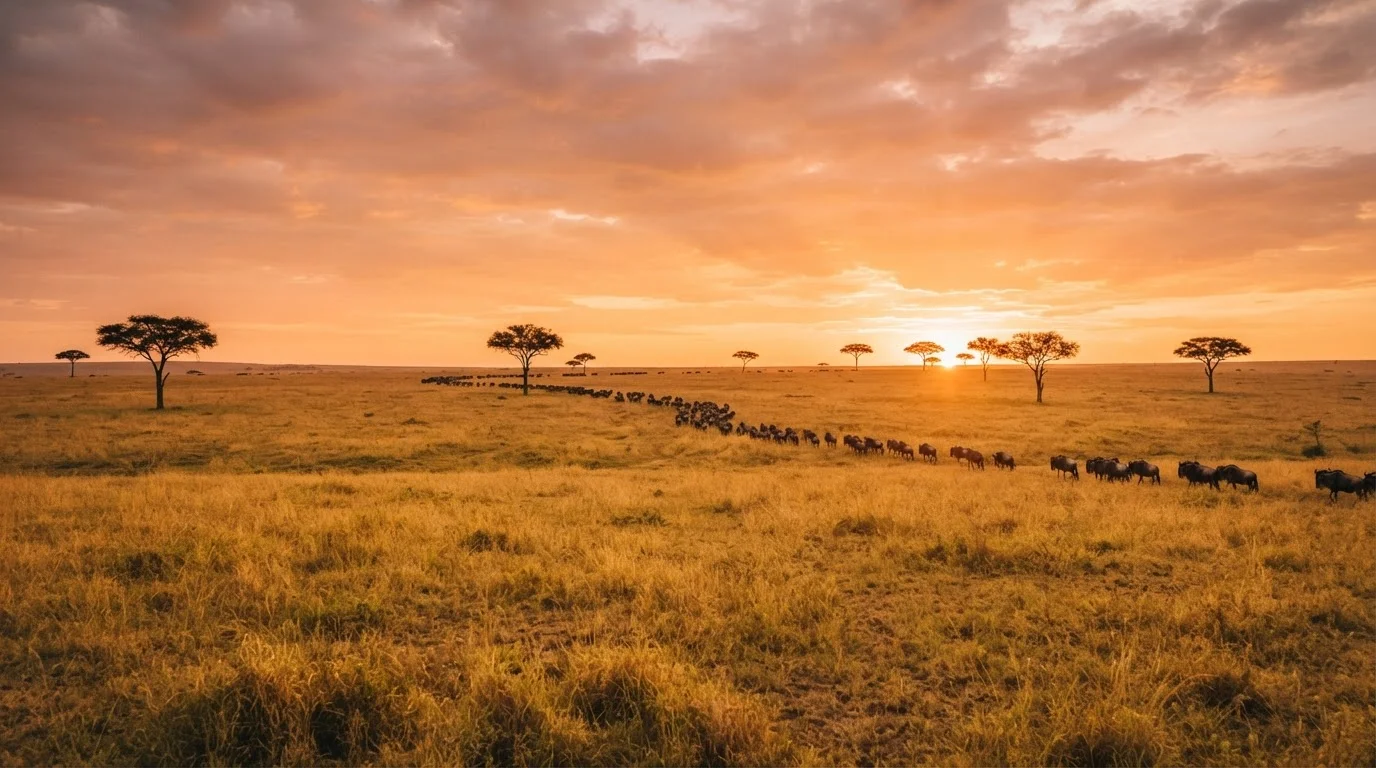
Photo credit: AdvisorHQ.net | Informative Website
In this article
Safari planning involves more than picking a park. Understand climate windows, health considerations, logistics, and what to verify before booking.
Key Takeaways
- Timing your visit around seasonal migration and rainfall patterns dramatically shapes your experience.
- Health preparations - including vaccinations and malaria prophylaxis - require planning weeks or months in advance.
- Entry requirements like visas and park permits vary by country and can change; always verify with official sources.
- Safari logistics differ significantly between self-drive, guided group, and private operator formats.
- Gear and insurance choices have real consequences in remote, resource-limited environments.
Why Safari Planning Deserves More Than a Weekend of Research
East Africa - spanning Kenya, Tanzania, Uganda, Rwanda, and beyond - ranks among the world's most rewarding travel regions. It also ranks among the most logistically complex. A poorly timed or under-prepared visit can mean missing the Great Migration by weeks, arriving during impassable roads, or scrambling for required vaccinations the week before departure.
This checklist walks you through every major planning layer: climate and timing, health requirements, documentation, gear, and on-the-ground logistics. Work through it methodically and you'll arrive ready to focus on the experience itself. For a broader international pre-departure framework, see our pre-trip checklist for international travel.
Timing and Seasonal Planning
Health and Medical Preparation
Visas, Entry Requirements, and Documents
Safari Logistics and Booking
Gear and Practical Essentials
Tools and Resources You'll Need
Before you start ticking boxes, make sure you have the right resources at hand. Some of these are simple websites; others require appointments that should be scheduled well in advance.
Official Government Travel Advisory Portal
Check current travel advisories, visa requirements, and entry guidance from your home country's foreign affairs or state department.
Travel Medicine Clinic or Healthcare Provider
Obtain destination-specific vaccination records, malaria prevention advice, and your official ICVP yellow card.
National Park Official Booking Portals
Book and pay for gorilla trekking permits and other high-demand park activities through official channels.
Comprehensive Travel Insurance Policy
Secure coverage for medical evacuation, trip cancellation, and activity-related incidents before any deposits are paid.
Offline Maps App (e.g., Maps.me or similar)
Download regional offline maps for navigation in areas with limited or no mobile data coverage.
Currency Converter and Low-Fee Banking Card
Manage cash and card payments across multiple currencies with minimal fees - check with your bank before departure.
Don't Rely on Entry Information From Booking Sites
Visa rules, vaccination requirements, and border policies in East Africa can change with relatively short notice. Third-party booking platforms and tour operators may not update this information promptly. Always verify entry requirements directly with the official embassy or consulate of each country you plan to visit, and check your own government's travel advisory as close to departure as practical.
Remote Parks Mean Remote Medical Access
Many of the most spectacular safari destinations are hours from any hospital with advanced care. Medical evacuation by air is common in genuine emergencies and can be extremely expensive without insurance. Confirm your travel insurance policy explicitly covers emergency air evacuation before you finalize bookings, and carry a printed copy of your policy and emergency contact numbers.
Key Considerations Before You Finalize Anything
A few points deserve extra attention because they have the biggest consequences if overlooked.
Yellow Fever Documentation Is Not Optional
Several East African countries require proof of yellow fever vaccination as a condition of entry - not just a recommendation. Without a valid International Certificate of Vaccination (yellow card), you may be denied boarding by airlines or turned back at the border. This documentation takes time to arrange; start the process well ahead of your departure date and keep the original card on your person throughout the trip.
Gorilla Trekking Permits Sell Out Months in Advance
If gorilla trekking in Uganda or Rwanda is central to your trip, treat the permit as your first booking, not an afterthought. Daily visitor numbers are strictly capped to protect gorilla habitats. Permits routinely sell out many months ahead during peak periods, and building an entire itinerary around an unavailable permit is a costly mistake.
Safari regions across East Africa span enormous geographic variety - coastal lowlands, highland forests, arid scrub, and open plains all in one country. Altitude, rainfall, and wildlife concentration shift dramatically depending on where and when you go. Don't assume one park's conditions represent the whole region.
Finally, factor in buffer time. Domestic flights in this region operate on schedules that can be affected by weather, logistics, and demand. Building in a full extra day before any international connection is a practical safeguard, not an indulgence.

Author
Travel & Trips Editorial Team
Travel & Trips Editorial Team is the collective byline for our editorial team and contributor network. Articles published under this byline or an editorial pen name are researched, written, and reviewed according to our editorial standards for clarity, consistency, and independence before publication.
View all articles →