
Fragrance in Skincare: Why It Appears Everywhere and What It Means for Sensitive Skin
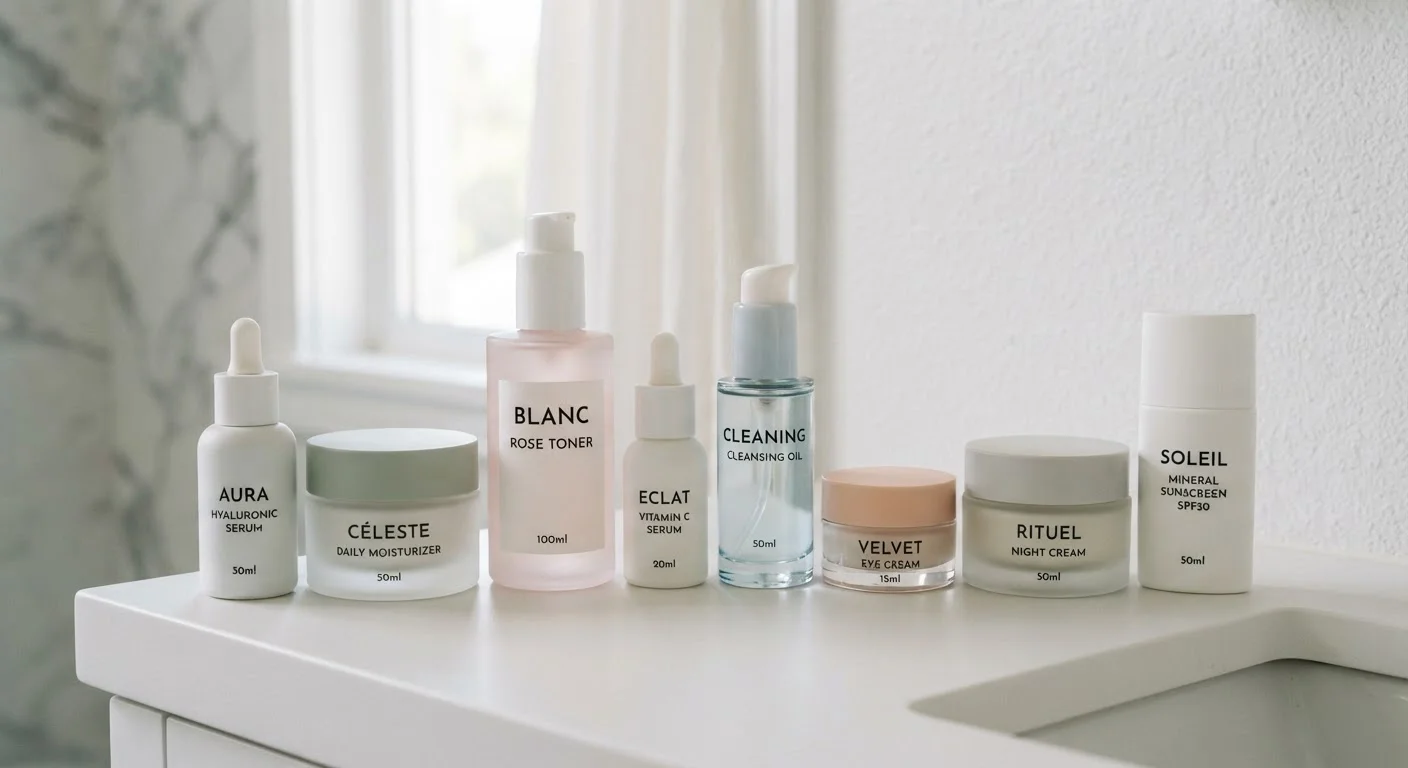
Photo credit: AdvisorHQ.net | Informative Website
In this article
Fragrance is one of the most common sensitizing ingredients in skincare. Here's why it's so prevalent and what to know if your skin reacts easily.
Key Takeaways
- Fragrance is one of the leading causes of allergic contact dermatitis from cosmetics in the US.
- "Fragrance" or "parfum" on an ingredient list can represent a blend of dozens of undisclosed chemicals.
- Both synthetic and natural fragrances - including essential oils - can trigger skin reactions.
- Sensitive, rosacea-prone, and eczema-affected skin carries the highest risk of fragrance reactivity.
- "Fragrance-free" and "unscented" are not the same thing - unscented products may still contain masking fragrances.
- Patch testing before full use is the most reliable way to assess your personal tolerance.
Why Fragrance Shows Up in Almost Every Product
Walk down any personal care aisle and pick up a product at random - odds are high that "fragrance" or "parfum" appears somewhere in the ingredient list. This is not coincidental. Fragrance serves two practical functions that make it commercially indispensable: it masks the inherently unappealing odors of many base ingredients (certain emollients and preservatives smell distinctly industrial), and it creates the sensory signature that makes a product memorable and desirable.
Consumer research consistently shows that scent is a powerful driver of perceived quality. A lotion that smells pleasant is rated as more effective by test subjects, even when the formula is identical to an unscented version. Manufacturers respond to that reality. The result is a market in which fragrance appears not just in perfumes and body sprays, but in moisturizers, cleansers, sunscreens, serums, and even some products labeled "gentle" or "soothing."
For a deeper look at how to spot fragrance and other potentially reactive ingredients on a label, see our guide on reading a skincare ingredient list.
~1 in 10
People with fragrance contact allergy
Research published in dermatology literature estimates roughly 10% of the general population has some degree of fragrance contact allergy, with higher rates among those with pre-existing skin conditions.
Top 5
Fragrance: a leading cosmetic allergen
Fragrance is consistently ranked among the top causes of allergic contact dermatitis in patch-test studies conducted across North America and Europe.
100+
Chemicals potentially hidden under "fragrance"
A single "fragrance" declaration on a US label can legally represent a blend of over 100 individual chemical compounds, most of which are not individually disclosed to consumers.
What Fragrance Actually Does to Sensitive Skin
Fragrance is not a single ingredient - it is a category. The term "fragrance" on a US label can represent a blend of anywhere from a handful to several hundred individual chemical compounds, most of which do not have to be disclosed. Many of these compounds are recognized contact allergens. The American Contact Dermatitis Society and dermatology research literature consistently identify fragrance as a leading cause of allergic contact dermatitis from cosmetics.
The mechanism is immunological. With repeated exposure, the immune system can become sensitized to specific fragrance molecules. Once sensitized, even small amounts trigger a delayed hypersensitivity response - redness, itching, stinging, or a rash that appears 24 to 72 hours after contact. This delay makes it genuinely difficult for most people to identify fragrance as the culprit without professional patch testing.
Skin conditions that compromise the barrier - eczema, rosacea, perioral dermatitis, and chronically dry skin - increase vulnerability because more allergen penetrates to immune cells in the dermis. People with these conditions are generally advised by dermatologists to prioritize fragrance-free formulations. If your skin regularly signals distress after product use, signs your routine may be damaging your skin is worth reviewing.
A person with no prior skin issues switches to a new "natural" moisturizer containing rose and jasmine essential oils and develops itchy, red patches on their cheeks within two days.
Someone with eczema notices their flare-ups worsen after switching to a new body wash that lists "parfum" near the top of its ingredient list.
A consumer buys an "unscented" facial lotion expecting it to be fragrance-free, but continues experiencing mild stinging after application.
An avid skincare user tolerates a beloved serum for two years before suddenly developing a rash wherever it's applied.
Natural vs. Synthetic: A Common Misconception
A widespread assumption is that "natural" fragrance - from essential oils and plant extracts - is inherently safer than synthetic fragrance. The evidence does not support this cleanly. Lavender, citrus oils, geraniol, linalool, and eugenol are all plant-derived compounds, and all are documented skin sensitizers. The European Union's cosmetics regulation requires disclosure of 26 specific fragrance allergens precisely because natural and synthetic molecules alike pose documented risks.
Synthetic fragrance molecules, by contrast, can be isolated, purity-tested, and individually screened for sensitization potential before use. This does not make them categorically safe, but it does mean formulators have more control over what goes into the blend. The honest position is that the source - botanical versus laboratory - matters far less than the specific chemical compounds present and the concentration at which they appear.
“The skin does not care whether an allergen comes from a flower or a laboratory flask. What matters is the molecule's ability to bind to skin proteins and trigger an immune response.”
— American Contact Dermatitis Society, Professional dermatology organization focused on contact allergy research and education
For more context on how fragrance fits into the broader personal care landscape, see what to know about fragrance in personal care.
Making Practical Choices: Fragrance-Free and Patch Testing
If you have reactive skin, choosing fragrance-free products is a straightforward, low-risk step. Remember the label distinction: "fragrance-free" means no fragrance ingredients were added; "unscented" means no perceptible scent, but masking fragrances may still be present. Check the full ingredient list rather than relying on front-label claims.
Even fragrance-free products can cause reactions from other ingredients, so patch testing every new product the right way remains the most reliable personal safety net. Apply a small amount to a discrete skin area, wait 24-48 hours, and observe before applying broadly to the face.
If you suspect you have a fragrance allergy rather than general sensitivity, a board-certified dermatologist can perform standardized patch testing to identify which specific allergens you react to. This information makes product selection far more precise than simply avoiding all fragrance. Understanding the full ingredient landscape is easier with a reference like key skincare ingredients and what they do.
This article is for general informational and educational purposes only and does not constitute medical advice. If you have concerns about a skin condition or reaction, consult a board-certified dermatologist or qualified healthcare professional.
Frequently Asked Questions

Author
Health & Beauty Editorial Team
Health & Beauty Editorial Team is the collective byline for our editorial team and contributor network. Articles published under this byline or an editorial pen name are researched, written, and reviewed according to our editorial standards for clarity, consistency, and independence before publication.
View all articles →