
Sleep, Stress, and Exercise: How the Three Are More Connected Than Most People Realize
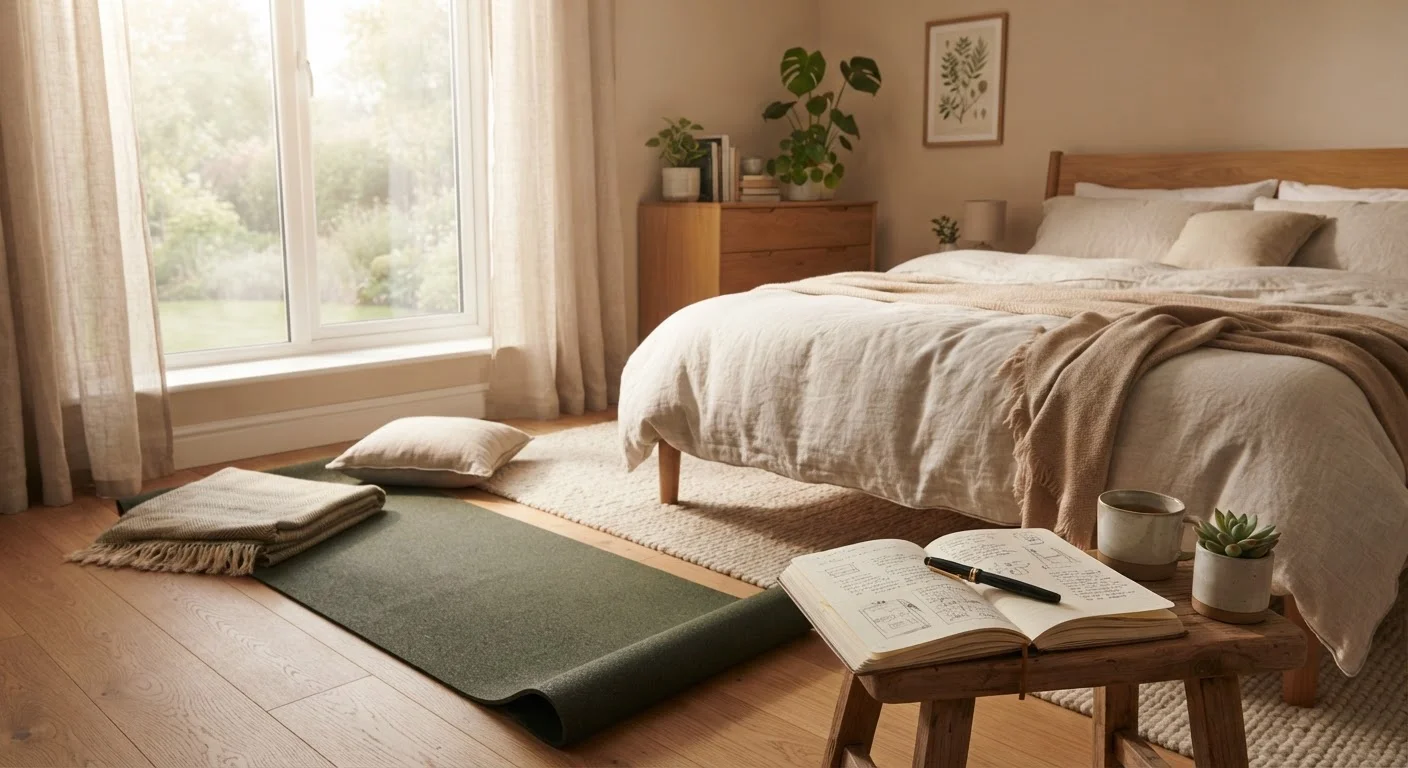
Photo credit: AdvisorHQ.net | Informative Website
In this article
- The Three-Way Loop: How Sleep, Stress, and Exercise Interact
- What Stress Does to Sleep and Physical Recovery
- How Exercise Influences Both Sleep Quality and Stress Levels
- Why Sleep Deprivation Makes Exercise Harder - and Stress Worse
- Practical Strategies for Managing All Three Together
- When to Seek Professional Guidance
Physical activity, rest, and mental load influence each other in a continuous loop. Here's what the research generally shows about managing all three together.
Key Takeaways
- Sleep, stress, and exercise influence each other in a bidirectional feedback loop.
- Chronic stress elevates cortisol, which can fragment sleep and impair physical recovery.
- Even moderate, low-intensity movement has well-documented associations with reduced stress and better sleep.
- Sleep deprivation raises perceived effort during exercise and amplifies emotional stress responses.
- Small, consistent changes to any one pillar tend to produce measurable improvements in the other two.
- A qualified healthcare provider should be consulted for persistent sleep disorders, chronic stress, or exercise-related concerns.
The Three-Way Loop: How Sleep, Stress, and Exercise Interact
Most people treat sleep, stress, and exercise as separate problems requiring separate solutions. Research across physiology and behavioral science paints a different picture: the three operate as an interconnected system, each one continuously shaping the others. Disrupting any single element creates ripple effects across all three.
At the biological level, this connection runs through the body's stress-response axis - a signaling pathway involving the brain and adrenal glands that regulates hormones like cortisol and adrenaline. Physical activity stresses the body in a controlled way that ultimately strengthens this system. Poor sleep weakens its regulation. Chronic psychological stress overstimulates it. Understanding these links is the first step toward making sustainable improvements, rather than addressing each variable in isolation.
For readers interested in the mental health dimension of movement, our article on what research indicates about movement and mental health explores the evidence in greater depth.
150 min
Weekly moderate exercise linked to better sleep
Public health guidelines from bodies such as the CDC associate 150 minutes of moderate aerobic activity per week with improved sleep quality in adults.
~33%
Adults reporting insufficient sleep regularly
CDC surveillance data has consistently found that roughly one in three U.S. adults report sleeping fewer than the recommended seven hours per night.
2-3×
Higher anxiety risk with chronic sleep deprivation
Research published in sleep and psychiatry journals suggests chronically poor sleepers face substantially elevated risk of anxiety disorders compared to well-rested individuals.
What Stress Does to Sleep and Physical Recovery
When the brain perceives a threat - whether a work deadline or a difficult conversation - it triggers a hormonal cascade that prioritizes alertness over rest. Cortisol, the primary stress hormone, rises. Heart rate and blood pressure increase. The body enters a state ill-suited for the cellular repair processes that happen during deep sleep.
Research consistently associates elevated nighttime cortisol with reduced slow-wave sleep, the restorative stage during which the body repairs tissue and consolidates memory. For people under chronic stress, this can become a self-reinforcing cycle: stress fragments sleep, and fragmented sleep reduces the brain's capacity to regulate emotional responses - making everyday stressors feel more overwhelming the next day.
Physical recovery is also affected. Muscle repair and growth hormone secretion are heavily concentrated in deep sleep stages. When chronic stress compresses or disrupts those stages, recovery from physical activity slows, which can reduce motivation to exercise - removing one of the most effective stress buffers available. Desk workers who experience persistent fatigue may find more context in our piece on the physical toll of sedentary work.
If you find yourself too stressed to sleep, try a brief body-scan relaxation practice immediately before bed - even five to ten minutes of intentional muscle relaxation can lower physiological arousal enough to ease sleep onset.
Progressive muscle relaxation and similar techniques have demonstrated reductions in pre-sleep anxiety in controlled studies, and they require no equipment or special training.
On high-stress days when a full workout feels impossible, a 10-minute walk is not a compromise - it is a physiologically meaningful intervention that can lower cortisol and improve mood.
Research on exercise dose-response shows that even short bouts of low-intensity activity produce measurable reductions in stress hormone levels and perceived tension.
How Exercise Influences Both Sleep Quality and Stress Levels
A substantial body of research links regular physical activity to improved sleep onset, greater sleep duration, and more time spent in restorative sleep stages. The mechanisms are multiple: exercise raises core body temperature, and the subsequent drop as the body cools is associated with increased sleepiness. It also promotes the release of adenosine, a neurochemical that builds sleep pressure throughout the day.
On the stress side, exercise works partly by metabolizing the stress hormones that accumulate during a demanding day. It also stimulates the release of endorphins and promotes neuroplasticity in brain regions involved in emotional regulation. These effects are seen across a wide range of activity intensities - vigorous aerobic training is not required. Walking, swimming, cycling, and yoga all show meaningful associations with reduced anxiety and improved mood in the research literature.
For those new to movement or returning after a break, low-impact exercise options offer a practical starting point that minimizes injury risk while still delivering physiological benefit. Timing matters too: moderate exercise earlier in the day or late afternoon tends to support sleep, while intense training close to bedtime may delay sleep onset for some individuals - though individual responses vary.
Why Sleep Deprivation Makes Exercise Harder - and Stress Worse
Even a single night of poor sleep measurably raises the perceived exertion of physical activity. The brain interprets the same workload as harder, which reduces performance and can erode motivation over time. Studies examining sleep restriction also find elevated inflammatory markers and impaired glucose metabolism - both of which affect energy availability during exercise.
From a stress-regulation standpoint, sleep loss reduces activity in the prefrontal cortex, the brain region most involved in rational decision-making and emotional modulation. Simultaneously, it increases reactivity in the amygdala, the brain's threat-detection center. The practical result is a lower threshold for stress responses and diminished capacity to de-escalate them - a pattern that compounds quickly under demanding life circumstances.
Short recovery periods during the workday can help buffer against this cumulative deficit. Our article on microbreaks and the science of rest at work examines how even brief pauses can support sustained cognitive and physical performance.
Practical Strategies for Managing All Three Together
Because sleep, stress, and exercise form a loop, improvement in any one area tends to support the others. The most evidence-consistent approaches focus on small, sustainable changes rather than dramatic overhauls.
- Anchor a consistent sleep schedule. Going to bed and waking at roughly the same time daily - including weekends - stabilizes the circadian rhythm, which regulates both stress hormone release and physical recovery cycles.
- Move in ways that feel accessible. Even 20-30 minutes of moderate activity most days is associated with meaningful sleep and stress benefits. Sustainability matters more than intensity for most people.
- Create a transition between work and rest. A deliberate wind-down period - whether a short walk, light stretching, or a non-screen activity - signals to the nervous system that the high-alert phase of the day is ending.
- Limit caffeine and alcohol strategically. Both can fragment sleep architecture, undermining recovery even when total sleep time appears adequate.
- Treat exercise skipping as information, not failure. Persistent reluctance to move often signals inadequate sleep or high stress load - addressing the underlying cause is more productive than forcing activity.
Workers navigating the stress-sleep-exercise triad in a remote or hybrid environment may find additional perspective in our overview of remote work and its mental health trade-offs.
When to Seek Professional Guidance
The strategies above reflect general, population-level evidence and are not substitutes for personalized medical care. Persistent insomnia, chronic anxiety, or exercise intolerance that does not improve with basic lifestyle adjustments may indicate underlying conditions - including sleep disorders, mood disorders, or physiological issues - that benefit from professional evaluation.
A primary care provider is the appropriate starting point for ruling out medical contributors. Referrals to sleep specialists, licensed mental health professionals, or certified exercise physiologists may follow depending on individual circumstances. People managing chronic conditions, pregnancy, or recovery from illness or injury should consult a qualified healthcare professional before making significant changes to their sleep habits or physical activity levels.
This article is for general informational and educational purposes only and is not a substitute for professional medical advice, diagnosis, or treatment. Always consult a qualified healthcare provider with questions about your health or before beginning a new exercise program.

Author
Health & Beauty Editorial Team
Health & Beauty Editorial Team is the collective byline for our editorial team and contributor network. Articles published under this byline or an editorial pen name are researched, written, and reviewed according to our editorial standards for clarity, consistency, and independence before publication.
View all articles →