
Strength Training Myths That Keep People Away from the Weight Room
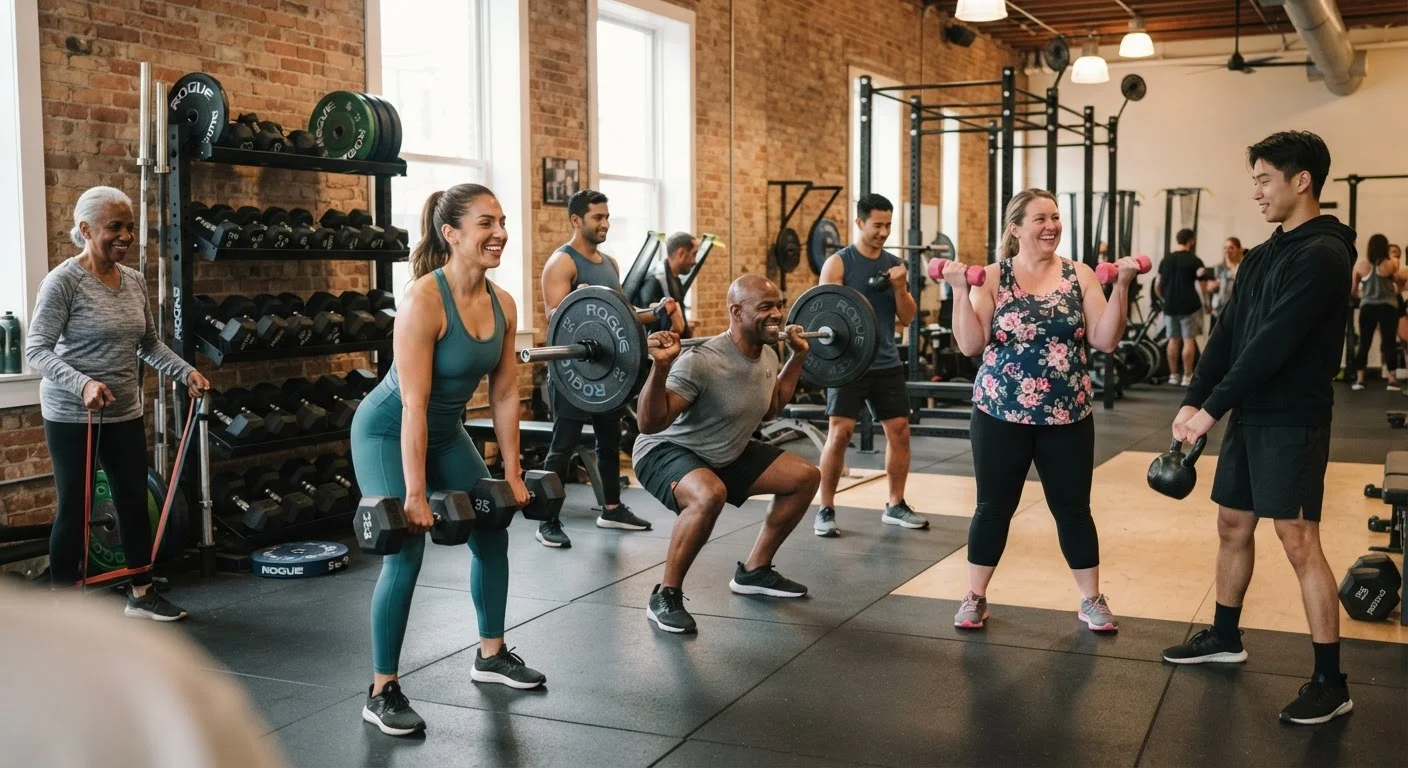
Photo credit: AdvisorHQ.net | Informative Website
From 'lifting makes you bulky' to 'it's only for young people'—common strength training myths examined against what exercise science actually shows.
Key Takeaways
- Lifting weights does not automatically cause bulky muscle growth - that outcome requires very specific, deliberate effort.
- Strength training is beneficial at any age, including for older adults seeking to preserve bone density and mobility.
- Beginners can build meaningful strength with modest weights, two to three sessions per week.
- Soreness after lifting is normal but is not a reliable measure of workout effectiveness.
- Cardio and strength training are complementary, not competing, approaches to overall fitness.
Why These Myths Are So Sticky
Misinformation about strength training spreads easily because it often contains a grain of plausibility. Images of professional bodybuilders, outdated fitness advice, and cultural assumptions about who the weight room is "for" have all contributed to a set of beliefs that discourage people before they ever pick up a dumbbell. Understanding where these myths come from - and what the evidence actually says - is the first step toward more confident, informed decisions about your own fitness.
The myths below are among the most common barriers reported by people who have considered strength training but haven't started. Each one is worth examining directly.
Myth
Lifting weights will make you look bulky and oversized.
Fact
Significant muscle hypertrophy requires years of high-volume training, specific nutrition, and - in many cases - hormonal conditions that most people simply don't have naturally.
This is one of the most persistent myths in fitness, and it keeps countless people - particularly women - out of the weight room entirely. The reality is that building large amounts of visible muscle mass is genuinely difficult and takes deliberate, sustained effort over a long period. The majority of people who begin strength training will experience a leaner, more defined physique, not a dramatic increase in size. Testosterone levels play a major role in the capacity for muscle hypertrophy, which is why the concern is especially unfounded for most women. Moderate resistance training is far more likely to improve body composition than to produce a bulky appearance.
Myth
Strength training is only for young people - older adults should stick to gentle movement.
Fact
Research consistently shows that progressive resistance training is one of the most effective tools for preserving muscle mass, bone density, and functional independence in older adults.
Age-related muscle loss, known as sarcopenia, begins as early as the mid-thirties and accelerates after sixty. Resistance training is among the most evidence-supported strategies for slowing this process. Studies published in journals such as the Journal of Strength and Conditioning Research have documented meaningful strength and mobility gains in adults well into their seventies and eighties. Older adults may need to approach programming differently - with more attention to recovery and joint-friendly movement choices - but the core benefits are available at virtually any age. If you're an older adult or managing a health condition, consult your healthcare provider before starting.
Myth
You need to feel sore the next day to know your workout was effective.
Fact
Delayed onset muscle soreness (DOMS) is a byproduct of unfamiliar or intense effort, not a direct measure of workout quality or progress.
Soreness typically peaks 24-72 hours after exercise and reflects microtrauma to muscle fibers - a normal part of adaptation. However, as the body adapts to a training stimulus, the same workout produces less soreness over time. This doesn't mean the workout stopped working; it means you've adapted, which is exactly the goal. Chasing soreness by constantly changing routines or pushing to extremes can actually hinder progress and raise injury risk. Consistency with gradual progressive overload - not perpetual soreness - is what drives long-term strength gains. See our guide to understanding workout plateaus for more on how adaptation works.
Myth
Cardio burns fat; weights just build muscle - so cardio is better for weight management.
Fact
Strength training raises resting metabolic rate and supports fat loss through mechanisms distinct from - and complementary to - cardiovascular exercise.
Muscle tissue is metabolically active, meaning more muscle mass modestly increases the number of calories your body uses at rest. Strength training also produces an "afterburn" effect (excess post-exercise oxygen consumption, or EPOC) that can elevate calorie expenditure for hours after a session. Most exercise scientists now recommend a combination of resistance and aerobic training for overall health and body composition rather than treating them as an either-or choice. The two modalities support each other - cardio benefits heart health and endurance, while strength training supports structural integrity, metabolism, and functional capacity.
Myth
Beginners need a gym full of machines and equipment to get started.
Fact
Meaningful strength gains can begin with minimal equipment - or even bodyweight alone - when programming applies sound principles of progressive overload.
Access to a fully equipped gym can be helpful, but it is far from a prerequisite. Bodyweight exercises such as squats, push-ups, lunges, and planks can challenge beginners effectively. A pair of adjustable dumbbells, resistance bands, or a single kettlebell extends options considerably without significant cost. The fundamental driver of strength adaptation is progressive challenge - gradually increasing difficulty over time - not the complexity of equipment. Our comparison of bodyweight and weight-based training explores how each approach works in practice. If you're deciding where to train, weighing home workouts against a gym membership can help clarify the trade-offs.
What Getting Started Actually Looks Like
Once the misconceptions are cleared away, strength training becomes far less intimidating. For most beginners, two to three sessions per week targeting major muscle groups is a practical and evidence-supported starting point. Sessions don't need to be long - 30 to 45 minutes of focused work is sufficient for meaningful adaptation.
Skipping Form to Lift Heavier Is a Real Risk
One of the most common - and genuinely harmful - mistakes in strength training is prioritizing heavier loads over proper technique. Poor form under load is a leading cause of preventable injuries. Start lighter than you think you need to, master the movement pattern first, and progress gradually. Working with a certified trainer, even for a few sessions, can dramatically reduce this risk.
Form and consistency matter far more than load in the early weeks. Early strength improvements are largely neurological - your nervous system becomes more efficient at recruiting muscle fibers - which is why beginners often see rapid gains before their muscle tissue visibly changes. This phase is valuable and shouldn't be rushed.
Progress looks different for everyone, and plateaus are a normal part of the process rather than a sign of failure. Our overview of why workout progress stalls walks through the most common causes and how to think through them.
~1-2%
Annual muscle mass loss starting around age 30
According to estimates cited in sports medicine literature, adults begin losing muscle mass at roughly this rate per year without resistance training, accelerating with age.
2-3x/week
Minimum frequency for beginner strength gains
Major health organizations, including the American College of Sports Medicine, generally recommend at least two sessions per week targeting major muscle groups for meaningful adaptation.
8-12 weeks
Typical timeframe for noticeable beginner strength improvements
Early strength gains in beginners are well-documented in exercise science research, driven largely by neuromuscular adaptations before significant muscle tissue growth occurs.
This article is for general informational purposes only and does not constitute medical or fitness advice. Consult a qualified healthcare provider or certified fitness professional before beginning any new exercise program, particularly if you have health conditions or concerns.

Author
Health & Beauty Editorial Team
Health & Beauty Editorial Team is the collective byline for our editorial team and contributor network. Articles published under this byline or an editorial pen name are researched, written, and reviewed according to our editorial standards for clarity, consistency, and independence before publication.
View all articles →