
Morning Skincare Checklist for Sun-Safe, Prepped Skin
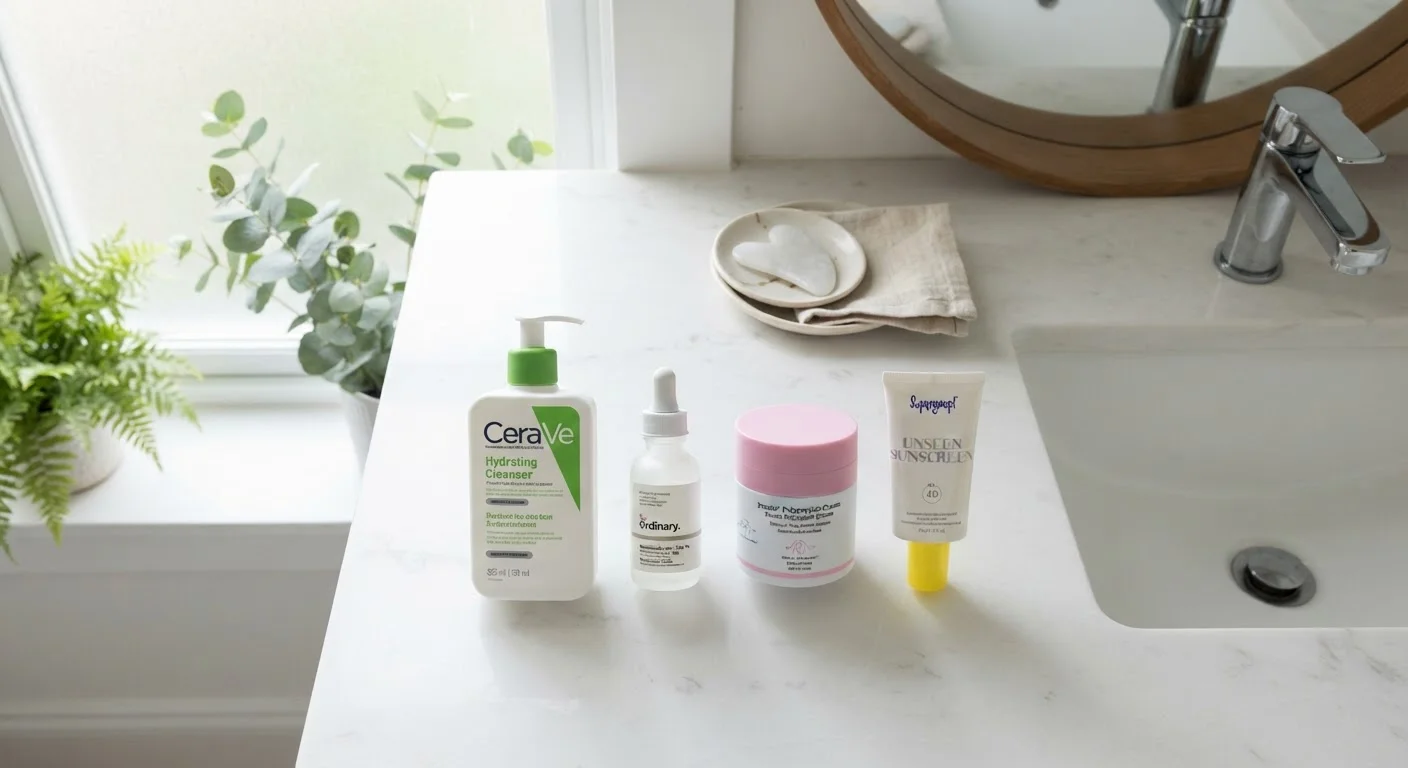
Photo credit: AdvisorHQ.net | Informative Website
In this article
A step-by-step morning routine checklist covering cleansing, treatment, moisturizing, and sun protection — in the right order, every time.
Key Takeaways
- Product order matters: applying steps out of sequence can reduce effectiveness or cause irritation.
- Sunscreen is the single most important morning step for long-term skin health, regardless of weather.
- A morning routine needs only four to five core steps - more products don't always mean better results.
- Skin type shapes which formulas work best, but the fundamental sequence applies to nearly everyone.
- Consistency over time delivers more visible results than any single high-end product.
Why a Structured Morning Routine Matters
A morning skincare routine isn't about following a trend - it's about preparing your skin to face UV exposure, environmental pollutants, and moisture loss throughout the day. The sequence in which you apply products is scientifically meaningful: active ingredients need direct contact with skin to absorb properly, and heavier formulas can physically block lighter ones from penetrating if applied first.
As explored in our article on how morning and night routines differ, daytime skin care is about protection and prepping, while nighttime routines focus on repair. Understanding that distinction helps you avoid over-treating or using the wrong products at the wrong time.
This checklist walks through each step in the clinically recommended order. Whether you're refining an existing habit or building a routine from scratch, these steps give you a reliable framework to work from.
Sunscreen Is Not Optional
UV radiation - including UVA rays that penetrate glass - reaches your skin on cloudy days, during winter, and indoors near windows. Dermatologists widely regard daily broad-spectrum sunscreen as the most evidence-backed step for reducing long-term skin damage. Our article on why daily sunscreen use is considered non-negotiable covers the research in depth. No other morning product delivers comparable protective value.
Tools and Products You'll Need
You don't need a cabinet full of products. The checklist is built around a small, purposeful set of items. Formulas should be chosen based on your skin type - for a detailed breakdown, see our guide on matching products to oily, dry, and combination skin.
Gentle Facial Cleanser
Removes overnight sebum, sweat, and any residual skincare from the night before without stripping the skin barrier.
Hydrating Toner
Helps rebalance skin pH after cleansing and primes skin to absorb subsequent treatments more effectively.
Antioxidant Serum (e.g., Vitamin C or Niacinamide)
Delivers targeted active ingredients that help address uneven tone, brightness, or early signs of sun damage.
Moisturizer
Seals in hydration, supports the skin barrier, and creates a smooth base for sunscreen and makeup.
Eye Cream
Provides lightweight, targeted hydration for the delicate periorbital area, which is thinner and more prone to dryness.
Broad-Spectrum SPF 30+ Sunscreen
Protects against UVA and UVB radiation - the leading environmental cause of premature skin aging and a significant skin health concern.
Clean Soft Towel
Gently pats skin dry without friction after cleansing; washing regularly prevents the buildup of bacteria on fabric.
The Morning Skincare Checklist
Work through each group in order. Skipping steps is fine on rushed mornings - but if you can only do one thing, make it sunscreen.
Step 1 - Cleanse
Step 2 - Tone (Optional)
Step 3 - Targeted Treatments
Step 4 - Moisturize
Step 5 - Eye Area
Step 6 - Sun Protection
Don't Layer Too Many Active Ingredients
Combining multiple actives - such as vitamin C with exfoliating acids like AHAs or BHAs in the same morning routine - can cause redness, peeling, or compromise your skin barrier. If you're new to an ingredient, introduce one product at a time over several weeks so you can identify any reaction. When in doubt, consult a dermatologist before adding a new active to your routine.
This article is for general informational and educational purposes only and is not a substitute for professional medical or dermatological advice. If you have a skin condition, persistent irritation, or concerns about a new product or ingredient, consult a licensed dermatologist or qualified healthcare provider.

Author
Health & Beauty Editorial Team
Health & Beauty Editorial Team is the collective byline for our editorial team and contributor network. Articles published under this byline or an editorial pen name are researched, written, and reviewed according to our editorial standards for clarity, consistency, and independence before publication.
View all articles →