
Physical vs. Chemical Sunscreen: Understanding the Real Difference
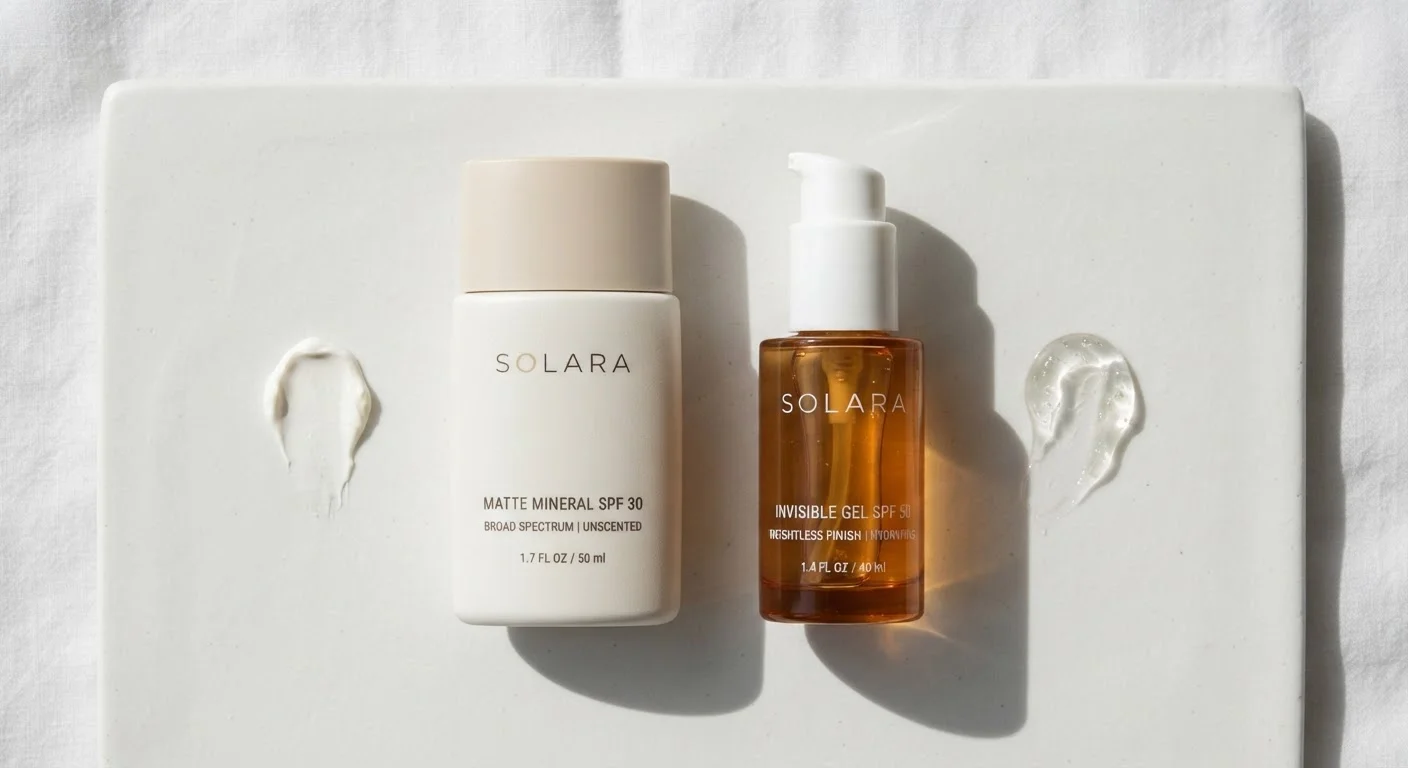
Photo credit: AdvisorHQ.net | Informative Website
In this article
Mineral and chemical sunscreens protect skin through different mechanisms. This side-by-side breakdown helps you understand how each one works.
Key Takeaways
- Physical sunscreens use zinc oxide or titanium dioxide to reflect UV rays; chemical sunscreens absorb and convert UV energy.
- Mineral formulas work immediately on application; chemical sunscreens typically require 15-20 minutes before sun exposure.
- Chemical sunscreens tend to feel lighter and blend more invisibly, while mineral formulas can leave a white cast.
- Both types can achieve broad-spectrum protection when formulated correctly - SPF level matters more than type.
- Skin sensitivity, lifestyle, and cosmetic preference should guide your choice, not marketing language alone.
- Consistent daily use of either type is far more protective than choosing the 'perfect' formula and applying it inconsistently.
How Each Type Actually Works
The terms physical and chemical describe the mechanism a sunscreen uses to reduce UV radiation reaching your skin - not its overall ingredient safety or quality.
Physical (mineral) sunscreens contain either zinc oxide, titanium dioxide, or both. These mineral particles sit on the skin's surface and act as a shield, primarily reflecting and scattering UV radiation before it penetrates the skin. Because they remain on top of the epidermis, they begin working immediately on application.
Chemical sunscreens use organic (carbon-based) UV-absorbing compounds - common examples include avobenzone, octinoxate, oxybenzone, and octisalate. These ingredients are absorbed into the upper layers of the skin, where they convert UV radiation into a small amount of heat, which the body then releases. Because this absorption process takes time to complete, most dermatologists recommend applying chemical sunscreen roughly 15-20 minutes before sun exposure.
Neither mechanism is inherently superior. Both can deliver broad-spectrum protection - meaning they cover both UVA (aging) rays and UVB (burning) rays - when properly formulated. For a deeper look at why daily application matters regardless of type, see why dermatologists consider daily sunscreen non-negotiable.
| Criterion | Physical (Mineral) Sunscreen | Chemical Sunscreen |
|---|---|---|
| Active ingredients | Zinc oxide, titanium dioxide | Avobenzone, oxybenzone, octinoxate, others |
| Protection mechanism | Reflects and scatters UV rays | Absorbs and converts UV to heat |
| Time to effectiveness | Immediate on application | ~15-20 minutes after application |
| Finish on skin | Can leave white cast | Typically invisible, lightweight |
| Sensitivity risk | Lower for most skin types | Higher for sensitive or reactive skin |
| FDA safety status | GRASE (zinc oxide, titanium dioxide) | Pending additional safety data |
| Ease of layering under makeup | Can be more difficult | Generally easier |
Texture, Finish, and Skin Compatibility
For many people, the practical differences in feel and appearance drive sunscreen choice as much as science does - and that's a legitimate consideration, because a sunscreen you'll actually wear consistently is always the most effective one.
Mineral sunscreens have historically produced a visible white or greyish cast, particularly on medium and deeper skin tones. Newer formulations use micronized or nano-sized particles to reduce this effect, though some degree of cast can remain. The texture tends to be thicker or creamier, and they can feel heavier under makeup.
Chemical sunscreens typically absorb quickly, feel lightweight, and leave no white cast, making them popular for daily wear and for use under cosmetics. However, the same UV-filtering molecules that make them cosmetically elegant can occasionally cause sensitivity reactions - stinging, redness, or contact dermatitis - particularly around the eyes or for people with rosacea-prone skin.
A Note on Skin Tone and Mineral Sunscreens
White cast from mineral sunscreens has historically been a significant barrier to consistent use among people with medium to deep skin tones. Tinted mineral formulas and newer micronized zinc formulations have improved considerably, though results vary by product. If cast is a concern, trialing a tinted mineral option or a well-formulated chemical alternative is a practical approach. Consistent daily use with any broad-spectrum SPF 30 or higher formula offers meaningful protection.
If you have acne-prone skin, look for non-comedogenic labeling on either type, and consider that some chemical filters (particularly those in thicker base formulas) may be more likely to clog pores than lightweight mineral options. This varies significantly by full formulation, not UV filter type alone.
For a broader look at separating sunscreen fact from fiction, our sunscreen myths guide covers common misconceptions dermatologists frequently address.
Safety, Regulation, and What the Research Shows
Safety conversations around sunscreen often generate more heat than light. Here is what current regulatory guidance and published research actually indicates.
The U.S. Food and Drug Administration (FDA) has evaluated sunscreen active ingredients under its over-the-counter monograph process. As of the most recent framework update, zinc oxide and titanium dioxide (the two mineral filters) are classified as GRASE. Most chemical UV filters are pending further safety data - notably on systemic absorption - before a GRASE determination is made. This does not mean chemical sunscreens are unsafe; it means the FDA wants more data to meet the current standard.
Studies have shown that some chemical filters, including oxybenzone, can be detected in blood after topical application. Researchers and regulators have noted this warrants further study, but no published evidence currently establishes that these concentrations cause harm in humans. The scientific consensus remains that the known risks of unprotected UV exposure - sunburn, premature skin aging, and increased skin cancer risk - substantially outweigh the theoretical concerns about sunscreen absorption for most people.
This article is for general informational purposes only and is not a substitute for personalized medical or dermatological advice. Consult a qualified healthcare professional for guidance tailored to your skin and health history.

Author
Health & Beauty Editorial Team
Health & Beauty Editorial Team is the collective byline for our editorial team and contributor network. Articles published under this byline or an editorial pen name are researched, written, and reviewed according to our editorial standards for clarity, consistency, and independence before publication.
View all articles →