
Hawaii Beyond the Beach: What First-Time Visitors Often Miss
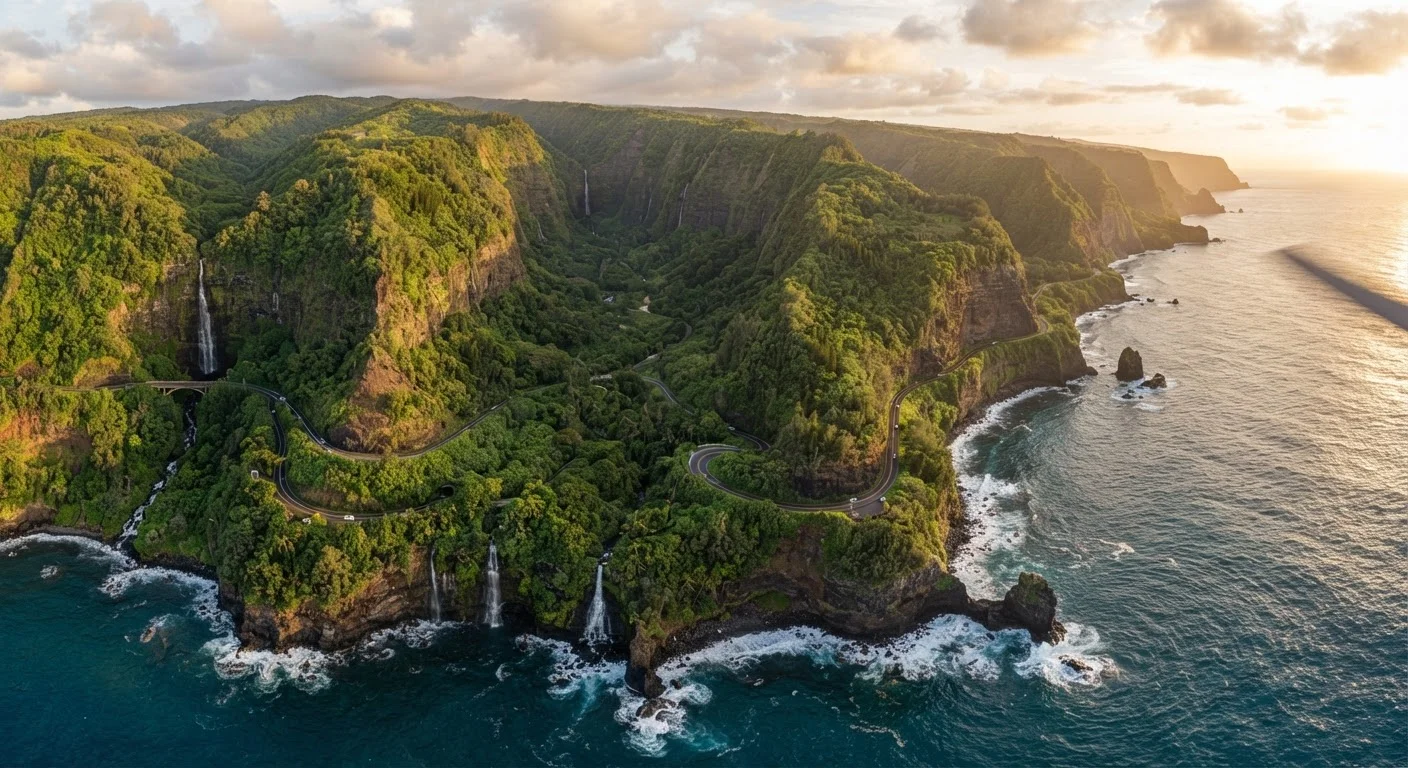
Photo credit: AdvisorHQ.net | Informative Website
In this article
Volcanoes, rainforests, and local culture make Hawaii far richer than its shoreline. Here's what a postcard doesn't tell you.
Key Takeaways
- Hawaii's six main visitor islands each have a distinct character - choosing the right one shapes your whole experience.
- Active volcanoes, rainforests, and alpine summits exist on the same islands as the postcard beaches.
- Native Hawaiian culture is living and vibrant - visitors who engage respectfully leave with a much richer trip.
- Inter-island travel requires flights or ferries and adds meaningful time and cost to multi-island itineraries.
- Over-scheduling is a common Hawaii mistake - buffer time lets you follow the island's pace, not a spreadsheet.
Why Hawaii Is More Than Its Beaches
Hawaii's beaches are genuinely magnificent - but they're the introduction, not the whole story. The archipelago spans nearly 1,500 miles of the Pacific and encompasses ecosystems found nowhere else on earth: alpine desert at Mauna Kea's summit, temperate rainforests on Kauai's Alaka'i Plateau, and actively forming land on the Big Island's lava fields. First-time visitors who anchor every day to a resort beach often return home feeling they saw Hawaii's packaging, not its contents.
The irony is that many of the most extraordinary experiences require little more than a rental car and a willingness to drive inland. This guide is designed to help you plan a first visit that takes the full picture seriously - beaches included, but not exclusively.
The Islands Are Not Interchangeable
Choosing an island is the single most important decision you'll make. Each has a genuinely different character:
- Oahu - Hawaii's most populous island, home to Honolulu, Pearl Harbor, and Waikiki. Best for first-timers who want history, urban energy, and easy logistics alongside the beach.
- Maui - Often called the most "complete" island. The Road to Hana winds through jungle waterfalls; Haleakalā volcano rises above the clouds; and the west coast has excellent snorkeling and whale-watching in season.
- Hawaii Island (the Big Island) - Geologically the youngest and most dramatic. Hawaiʻi Volcanoes National Park lets you witness active volcanic activity. The island also holds stargazing sites at high elevation that rank among the clearest in the Northern Hemisphere.
- Kauai - The oldest and most weathered, with the deeply eroded Nā Pali Coast and Waimea Canyon. Quieter, less developed, better for hikers and travelers who prize solitude.
- Molokai and Lanai - Much less visited and largely free of resort development. Worth considering if you actively want to avoid crowds.
Multi-island itineraries sound appealing but require inter-island flights and eat into your time on the ground. If you're planning your first trip from scratch, one or two islands is almost always the smarter call.
Landscapes First-Timers Routinely Skip
Beyond the shoreline, Hawaii holds landscapes most first-time visitors never reach:
Drive the Windward Side First
On nearly every island, the windward (northeastern) coast is where you'll find the most dramatic green landscapes - and the fewest crowds. Rent a car and drive inland or along the windward highway early in your trip before building beach days into your schedule. The contrast will reframe your entire sense of what Hawaii is.
- Rainforests - The windward (northeast-facing) sides of most islands receive enormous rainfall and support dense jungle. Oahu's Manoa Falls trail is a short, accessible walk to a genuine rainforest waterfall. Kauai's interior is even more dramatic.
- Volcanic terrain - Hawaiʻi Volcanoes National Park on the Big Island is a UNESCO World Heritage Site. Visitors can walk across hardened lava fields, explore lava tubes, and on active flow days, observe the living geology of the planet. Entry requires a park fee and conditions change; check the National Park Service site before you go.
- Summit landscapes - Haleakalā on Maui tops out above 10,000 feet. The summit crater feels otherworldly - used by NASA for astronaut training in part because of its similarity to the lunar surface. Driving to the summit requires a timed sunrise entry reservation through Recreation.gov.
- Valleys and sea cliffs - Waipio Valley on the Big Island and the Nā Pali Coast on Kauai offer landscape drama on a scale the beaches simply don't. Waipio is accessible by 4WD or on foot (steep); Nā Pali is best seen by boat or, for fit hikers, the challenging Kalalau Trail.
Hawaiian Culture: What to Know Before You Go
Native Hawaiian culture is not a theme park feature - it's a living tradition with deep roots and ongoing significance to the people of these islands. Visitors who engage thoughtfully tend to describe it as one of the most memorable parts of their trip.
A few things genuinely matter:
- Heiau (sacred sites) - These ancient Hawaiian temples appear across the islands. Approach quietly, stay on marked paths, and never remove any stones or objects. Some heiau are still used for ceremony.
- The aloha spirit - Aloha is more than a greeting; it describes a way of relating to others with presence and respect. Locals notice when visitors rush, are dismissive, or treat the islands as a backdrop for their content creation.
- Language - Hawaiian is a living language. Placenames like Waikīkī, Kailua, and Haleakalā carry meaning. Attempting correct pronunciation - and learning even a handful of words - is genuinely appreciated.
- Leave no trace - Taking rocks, coral, or sand from Hawaii is prohibited by state law and considered deeply disrespectful. This applies even to small pebbles from volcanic fields.
For context on navigating an unfamiliar culture as a first-time visitor, our piece on what solo travel abroad actually involves covers the mindset shifts that help regardless of destination.
Practical Planning Notes for a Richer Trip
Hawaii rewards slow itineraries. The instinct to pack in snorkeling, a volcano, a waterfall hike, and a luau in a single day is the fastest route to exhaustion - and it means experiencing nothing deeply. The most common itinerary mistakes apply here in full force: over-scheduling, ignoring drive times, and leaving no room for weather or spontaneity.
Timing and Seasonality Vary by Island
Hawaii's weather is generally mild year-round, but conditions vary significantly by island, elevation, and coastline. Winter months bring larger surf to north-facing shores - which is spectacular to watch but dangerous to swim in unless you're an experienced open-water swimmer. Always check ocean conditions through official lifeguard postings at each beach before entering the water.
A few practical notes worth building around:
- Car rental is nearly essential - Public transit is limited outside of Oahu. On most islands, a rental car is the only realistic way to reach the interior landscapes that make Hawaii extraordinary. Book early, especially for peak travel periods.
- Weather varies dramatically by location - The windward and leeward sides of each island can have completely different conditions on the same day. Research microclimates for the areas you're visiting rather than relying on a single island-wide forecast.
- Reservations are increasingly required - Haleakalā sunrise, some state park trails, and popular snorkel sites now require advance reservations. Check official park and state websites well before your trip date.
- Verify entry and safety information - Conditions at volcanic sites, surf levels at beaches, and trail closures change. Always consult official sources - the National Park Service, Hawaii's DLNR (Department of Land and Natural Resources), and county sites - rather than relying solely on travel apps or review platforms.
Hawaii is one of those rare places that genuinely delivers on its reputation - but what it delivers most generously to visitors who look past the obvious. Give yourself the time and the openness to find that out.
Frequently Asked Questions

Author
Travel & Trips Editorial Team
Travel & Trips Editorial Team is the collective byline for our editorial team and contributor network. Articles published under this byline or an editorial pen name are researched, written, and reviewed according to our editorial standards for clarity, consistency, and independence before publication.
View all articles →