
National Parks of the American Southwest: A Practical Overview
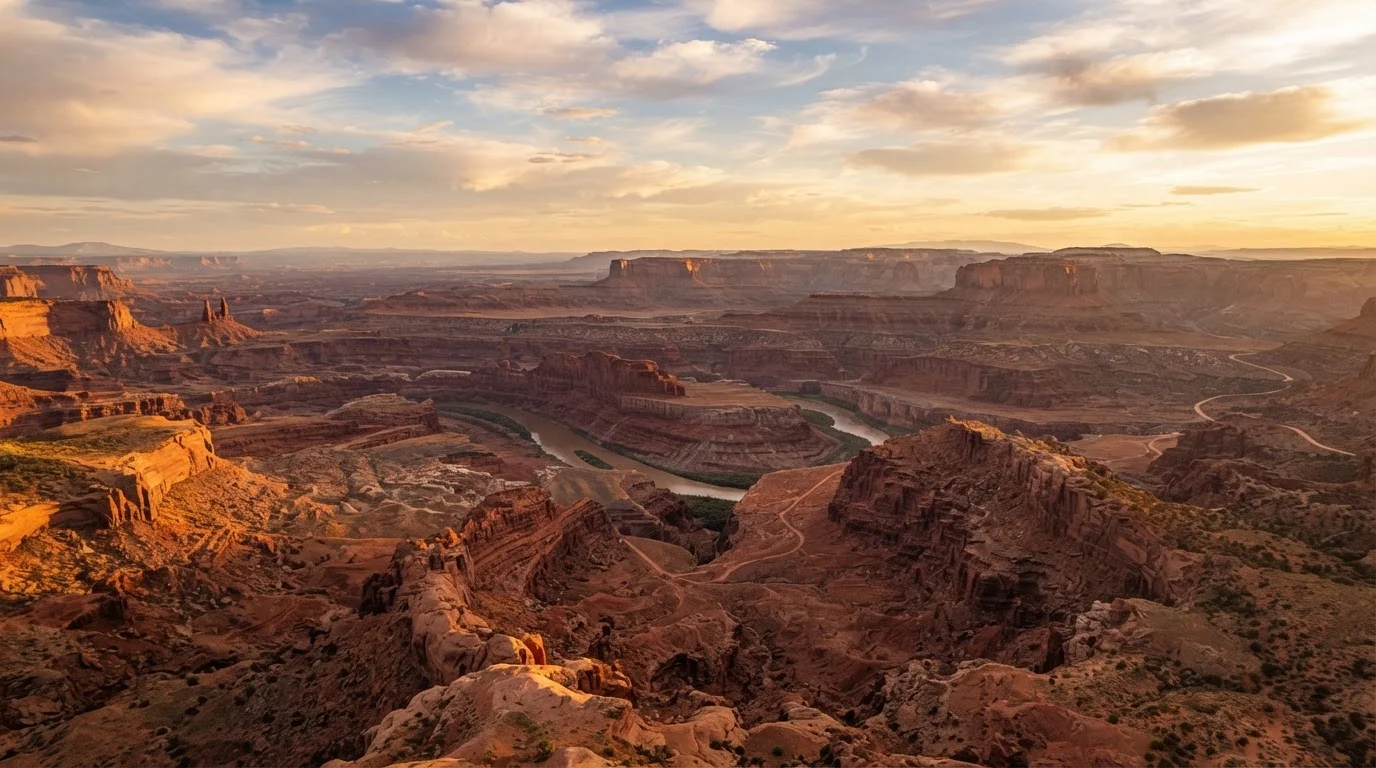
Photo credit: AdvisorHQ.net | Informative Website
In this article
From the Grand Canyon to Zion, learn the key facts, entry considerations, and seasonal patterns for the Southwest's landmark parks.
Why the Southwest's Parks Deserve Serious Planning
The American Southwest packs an extraordinary concentration of protected landscapes into a relatively compact region. Utah's Mighty Five, Arizona's canyon country, and Nevada's basin terrain give visitors access to geology that took millions of years to shape - but the sheer popularity of these parks means showing up without a plan can quickly overshadow the experience.
Crowds, permit requirements, and extreme weather are the three factors that catch most first-time visitors off guard. Understanding the basic framework of each park before you go - entry costs, access points, seasonal patterns - transforms a stressful trip into a genuinely memorable one.
| Region Covered | Arizona, Utah, Nevada (primary Southwest park states) |
| Annual Visitors (Grand Canyon) | Approximately 4-5 million per year (National Park Service visitation data) |
| Utah's Mighty Five Parks | Zion, Bryce Canyon, Capitol Reef, Arches, Canyonlands |
| Peak Visitation Season | Late spring through early fall (April-October) |
| America the Beautiful Pass Duration | 12 months from date of purchase (U.S. National Park Service) |
| Highest Elevation (Bryce Canyon Rim) | Over 9,000 feet at Rainbow Point (National Park Service) |
Park-by-Park Snapshot
Each park in the Southwest has a distinct character, and knowing the differences helps you allocate your time wisely.
Grand Canyon National Park (Arizona)
One of the most visited parks in the country, the Grand Canyon spans roughly 277 river miles and reaches depths of over a mile. The South Rim is open year-round; the North Rim typically operates from mid-May through mid-October. Inner canyon hiking demands serious preparation - heat, limited water sources, and elevation change make descent-to-ascent trips genuinely dangerous for the unprepared.
Zion National Park (Utah)
Zion's Narrows and Angels Landing are iconic hikes, but Angels Landing now requires a permit obtained through a lottery system managed by the National Park Service. The park's shuttle is mandatory for most of the main canyon during peak season, running spring through fall.
Bryce Canyon National Park (Utah)
Sitting at elevations above 8,000 feet, Bryce Canyon is notably cooler than nearby parks, making summer afternoons far more comfortable. Its hoodoo formations are best viewed at sunrise or sunset when the light turns the orange rock even more vivid.
Arches National Park (Utah)
Arches has implemented a timed-entry permit system during peak visitation periods to manage congestion at entry. Over 2,000 natural arches exist within the park - Delicate Arch is the most photographed, but Windows and Landscape Arch offer comparable drama with shorter hikes.
Capitol Reef National Park (Utah)
Often overlooked in favor of its flashier neighbors, Capitol Reef offers quieter trails and the unique Waterpocket Fold, a 100-mile wrinkle in Earth's crust. Fruita, the historic orchard within the park, allows visitors to pick fruit in season - a genuinely unusual experience.
Timed-Entry Permit
A system requiring visitors to reserve a specific arrival window in advance, used by some parks during high-traffic periods to reduce congestion at entrances and trailheads.
Hoodoo
A tall, thin spire of rock formed by erosion, most famously seen in Bryce Canyon National Park. They form when softer rock erodes faster than the harder cap rock above it.
America the Beautiful Pass
An annual pass issued by the U.S. federal government that covers entrance fees at all National Park Service sites and many other federal recreation lands for one year.
Rim
The edge of a canyon, used specifically at the Grand Canyon to distinguish the South Rim and North Rim - two distinct visitor areas with different access seasons and amenities.
Waterpocket Fold
A nearly 100-mile-long wrinkle in Earth's crust found in Capitol Reef National Park, created by ancient geological forces that tilted layers of rock into a dramatic ridge.
Practical Entry and Logistics
The America the Beautiful annual pass covers entrance fees at all National Park Service sites for 12 months and is worth considering if you plan to visit multiple parks in one trip or across a year. Individual park entry fees vary but generally range from around $20 to $35 per vehicle.
Verify Before You Go
Permit systems, timed-entry requirements, and shuttle schedules change from season to season - and sometimes year to year. Always check the official National Park Service website (nps.gov) for the most current information before booking travel. Gateway visitor center staff are also an excellent real-time resource once you arrive.
Campsite reservations at popular parks like Zion and the Grand Canyon's South Rim often open six months in advance and fill within hours. If you're set on camping inside a park, build your trip planning around reservation windows rather than destination preference. Gateway towns - Springdale for Zion, Kanab for several Utah parks - provide lodging alternatives that reduce commute time compared to larger cities.
Cell service is limited or nonexistent in many park interiors. Download offline maps and park-specific apps before arrival, and carry a paper map as a reliable backup. Always verify current entry requirements, permit lotteries, and road conditions directly with the National Park Service at nps.gov before finalizing travel plans - conditions and policies can change seasonally.

Author
Travel & Trips Editorial Team
Travel & Trips Editorial Team is the collective byline for our editorial team and contributor network. Articles published under this byline or an editorial pen name are researched, written, and reviewed according to our editorial standards for clarity, consistency, and independence before publication.
View all articles →