
New York City Neighborhoods: A Borough-by-Borough Breakdown
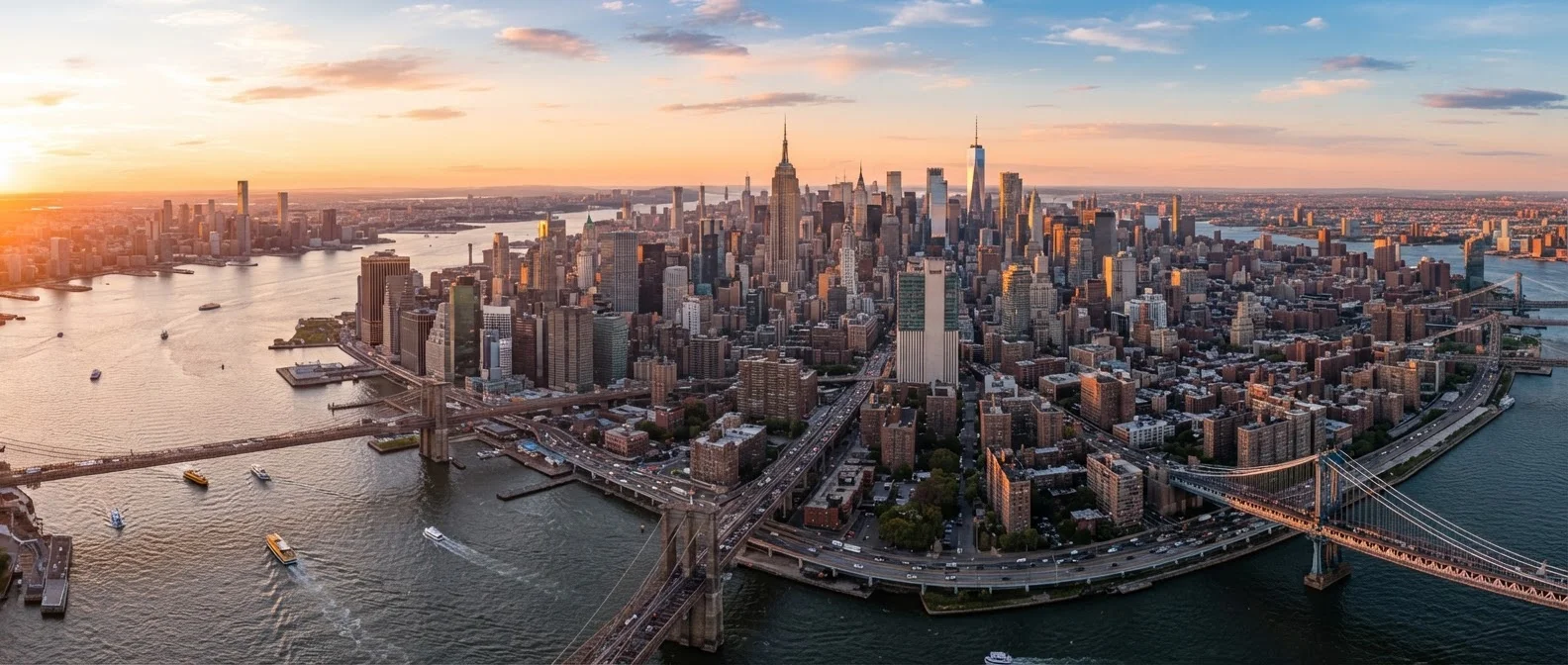
Photo credit: AdvisorHQ.net | Informative Website
In this article
Manhattan isn't all of NYC. Explore what makes each borough distinct, from Brooklyn's arts scene to the Bronx's cultural roots.
Why NYC Is More Than Just Manhattan
Most first-time visitors to New York City make a beeline for Manhattan - and it's understandable. Times Square, Central Park, and the Empire State Building earn their fame. But New York City is legally, geographically, and culturally five boroughs, and treating the other four as afterthoughts means missing some of the most authentic experiences the city has to offer.
Whether you're planning your first visit or your tenth, understanding what sets each borough apart helps you choose where to stay, where to eat, and where to spend your time. Here's the practical breakdown you need.
Manhattan: The Iconic Core
Manhattan is the most densely populated borough and the one most visitors picture when they imagine NYC. It's divided into distinct neighborhoods that feel almost like separate cities: the finance-driven Financial District in the south, the gallery-packed Chelsea, the boutique-lined SoHo, and the residential Upper West and Upper East Sides flanking Central Park.
Good to know: Manhattan is expensive across the board - for lodging, dining, and entertainment. Midtown is the tourist hub; neighborhoods like the Lower East Side and Harlem offer richer local character and lower price points for meals.
Brooklyn: Arts, Diversity, and Waterfront Views
Brooklyn is NYC's most populous borough and arguably its most culturally dynamic. Neighborhoods like Williamsburg and Bushwick anchor a thriving arts and music scene. Park Slope and Carroll Gardens offer tree-lined streets, farmers markets, and a family-friendly pace. DUMBO (Down Under the Manhattan Bridge Overpass) delivers some of the city's most photographed skyline views along with galleries and independent shops.
Brooklyn's food scene is a destination unto itself - from Caribbean food in Crown Heights to Yemeni bakeries in Bay Ridge, the borough's culinary range reflects its genuinely diverse population.
Borough
One of the five administrative divisions of New York City - Manhattan, Brooklyn, Queens, the Bronx, and Staten Island. Each functions as both a county under New York State law and a distinct cultural region within the city.
DUMBO
An acronym for 'Down Under the Manhattan Bridge Overpass,' a neighborhood in Brooklyn known for its cobblestone streets, art galleries, and iconic views of the Manhattan skyline through the bridge arches.
MetroCard / OMNY
The two main fare payment methods for NYC's subway and bus system. MetroCard is a magnetic stripe card; OMNY is the newer contactless tap-to-pay system compatible with credit cards, smartphones, and smartwatches.
Outer Boroughs
A collective term for Brooklyn, Queens, the Bronx, and Staten Island - the four boroughs other than Manhattan. The term is sometimes considered outdated by locals who feel it implies secondary status.
Queens, the Bronx, and Staten Island
Queens is the most linguistically diverse urban area on the planet, with over 160 languages spoken. Flushing is a gateway to one of the country's largest Chinatowns. Jackson Heights offers South Asian and Latin American cuisine on the same block. Astoria, once synonymous with Greek-American culture, now hosts a broad mix of communities - and sits just across the East River from Manhattan.
The Bronx is the birthplace of hip-hop and home to the New York Botanical Garden, the Bronx Zoo, and Arthur Avenue - a stretch of Italian-American markets and restaurants that locals often prefer to Manhattan's Little Italy. The South Bronx has a vibrant murals and arts scene that continues to grow.
Staten Island is the least-visited borough by tourists, but it's accessible via the free Staten Island Ferry, which offers outstanding views of the Statue of Liberty and Lower Manhattan at no cost. The borough has a more suburban character, with the Snug Harbor Cultural Center and Botanical Garden among its cultural highlights.
Practical Tips for Navigating the Boroughs
The NYC subway system connects all five boroughs, though coverage varies. Manhattan and Brooklyn are the most thoroughly served; parts of Queens and the Bronx require bus connections or longer walks from subway stations. Staten Island has its own light rail, the Staten Island Railway.
MetroCard or OMNY contactless payment works across subway and bus routes. If you're staying in Brooklyn or Queens, factor in commute time to Manhattan attractions - it's manageable but adds up over a multi-day visit.
Neighborhoods change character block by block in NYC. Use current maps and recent visitor reviews to verify what a neighborhood feels like at the time of your trip, as areas can shift quickly.
Travel conditions, neighborhood character, transit routes, and local offerings can change over time. Verify entry requirements, transit details, and any safety advisories through official NYC government sources and your country's travel authority before your trip.

Author
Travel & Trips Editorial Team
Travel & Trips Editorial Team is the collective byline for our editorial team and contributor network. Articles published under this byline or an editorial pen name are researched, written, and reviewed according to our editorial standards for clarity, consistency, and independence before publication.
View all articles →