
Planning Around Peak Season in Popular US Cities
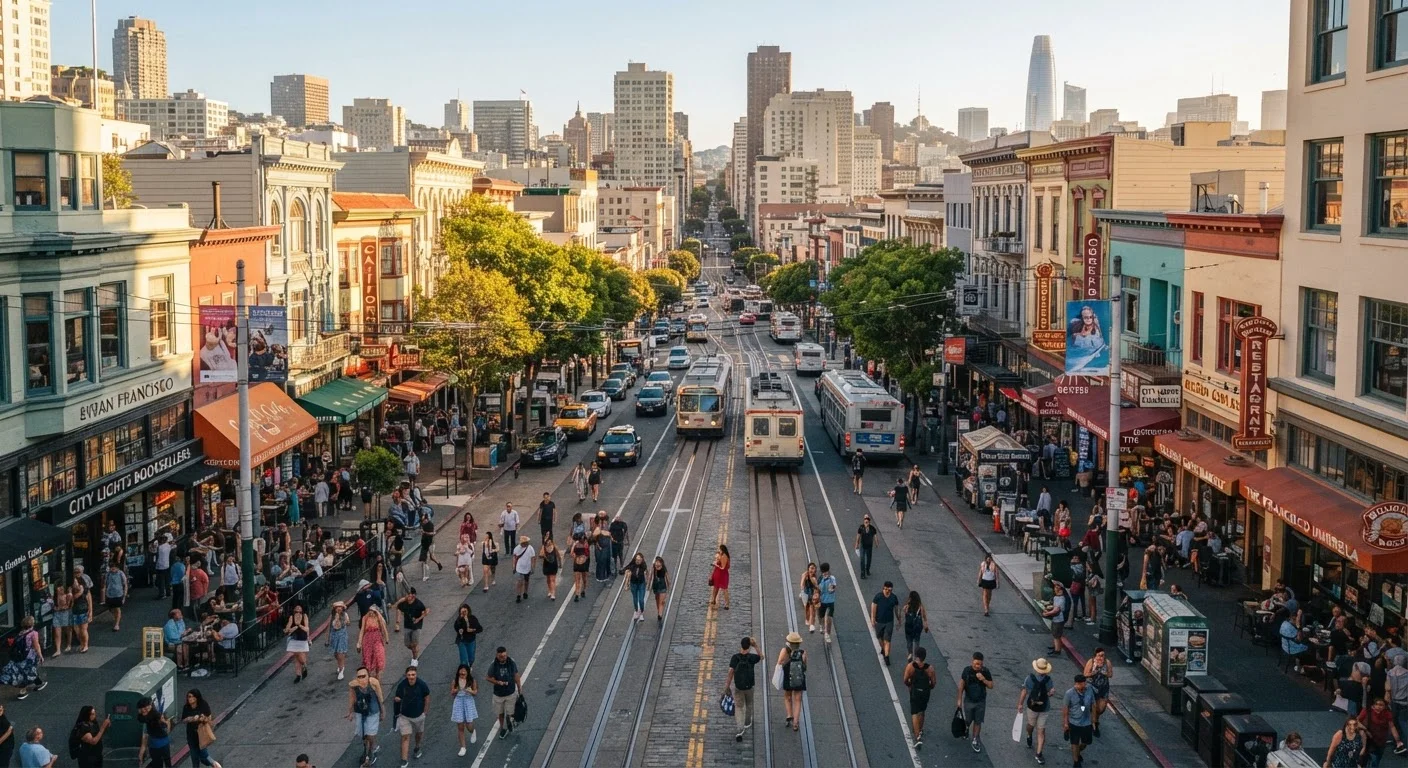
Photo credit: AdvisorHQ.net | Informative Website
In this article
Crowds and costs spike at predictable times. Learn when US cities hit their peaks and how that shapes what your visit will actually look like.
Key Takeaways
- Every major US city has a distinct peak window driven by weather, events, and school calendars.
- Arriving just before or after peak can preserve much of the experience at lower crowd levels.
- Booking accommodations and marquee attractions well in advance matters most during peak windows.
- Shoulder season often delivers a better balance of access, weather, and overall visitor experience.
- Understanding a city's specific peak drivers helps you decide whether timing a trip differently makes sense.
Why Peak Season Isn't the Same Everywhere
"Peak season" sounds like a single calendar block, but it shifts dramatically depending on where you're headed. New York City sees its heaviest visitor pressure in summer and around the December holidays. New Orleans peaks sharply around Mardi Gras and Jazz Fest in late winter and spring. Miami's high season runs from December through April, when northeastern snowbirds and international visitors arrive to escape cold weather. Understanding why a destination peaks - whether it's weather, a signature event, school breaks, or a combination - is the first step toward planning around it intelligently.
This matters because peak season affects more than hotel rates. It shapes wait times at popular restaurants, reservation availability at museums and attractions, traffic patterns, and even the general atmosphere of neighborhoods. A visit to the French Quarter during Jazz Fest feels nothing like a visit in September. Neither experience is wrong - they're just different trips.
See our itinerary-building principles for guidance on structuring your days regardless of when you go.
Peak Patterns in Major US Cities
A few broad patterns are worth knowing before you dig into any specific destination:
- Sun and warmth drive coastal peaks. Cities like San Diego, Miami, and Honolulu draw heaviest summer or warm-season crowds. Miami flips this, peaking in winter when its subtropical climate is most appealing to visitors from colder regions.
- Cultural events create compressed spikes. Cities like Nashville (CMA Fest in June), New Orleans (Mardi Gras season), and Austin (SXSW in March) experience narrow but intense surges. Accommodations during these windows can book out months ahead.
- Fall foliage creates a secondary peak in northern cities. Boston, Burlington (VT), and parts of the Pacific Northwest see significant visitor upticks in late September and October from leaf-peepers.
- Holiday periods are universal pressure points. Thanksgiving week and the stretch between Christmas and New Year's creates elevated demand in virtually every major market, especially cities with major shopping districts or family attractions.
Off-season travel sounds appealing but comes with its own trade-offs worth understanding before you commit to an unconventional window.
~79M
Annual visitors to New York City
According to NYC Tourism + Conventions, the city regularly draws tens of millions of visitors annually, with summer and the holiday season representing peak pressure periods.
3-5x
Hotel rate multiplier during major events
Industry observers note that accommodation rates in cities hosting major festivals or conventions can multiply several times over compared to standard-week rates in the same market.
Best Practices for Planning Around the Crowd
Once you've identified when your destination peaks, you can make deliberate decisions - not just about timing, but about how you structure the trip if you do visit during a busy period.
Identify the specific peak driver before booking anything.
A city can peak for weather reasons, event reasons, or both - and each requires a different response. If it's a singular event causing the spike, shifting dates by a week can dramatically change conditions. If it's seasonal weather, the trade-off is more nuanced.
Book lodging and marquee attractions at least 90 days out for peak-season travel.
Demand for well-located hotels and timed-entry venues (popular museums, national park-adjacent areas, landmark tours) compresses fast once school is out or a major event is announced. Waiting for a better rate during peak windows often backfires.
Target shoulder season as a strategic alternative rather than a fallback.
Shoulder season - typically the 4-6 weeks on either side of peak - often delivers nearly identical experiences with meaningfully lower competition. Weather is frequently still favorable, and locals-oriented businesses are operating at full capacity.
Front-load your must-do experiences to early morning or late evening.
Even during peak season, the hours before 9 a.m. and after 6 p.m. tend to see sharply reduced crowds at outdoor attractions, iconic viewpoints, and historic districts. Restructuring your daily rhythm around this can reclaim a lot of the experience.
Use neighborhood geography to your advantage.
Peak season crowds concentrate heavily at a city's two or three most famous attractions. The neighborhoods one or two miles away often hold comparable food, architecture, and atmosphere with a fraction of the foot traffic.
Quick Actions You Can Take Right Now
You don't need to redesign your entire trip to navigate peak season better. A few targeted moves early in the planning process make a significant difference.
Avoiding common itinerary pitfalls becomes especially important when crowds add friction to every transition in your day. Build in more buffer than you think you need.

Author
Travel & Trips Editorial Team
Travel & Trips Editorial Team is the collective byline for our editorial team and contributor network. Articles published under this byline or an editorial pen name are researched, written, and reviewed according to our editorial standards for clarity, consistency, and independence before publication.
View all articles →