
Southeast Asia on a First Trip: Deciding Where to Actually Start
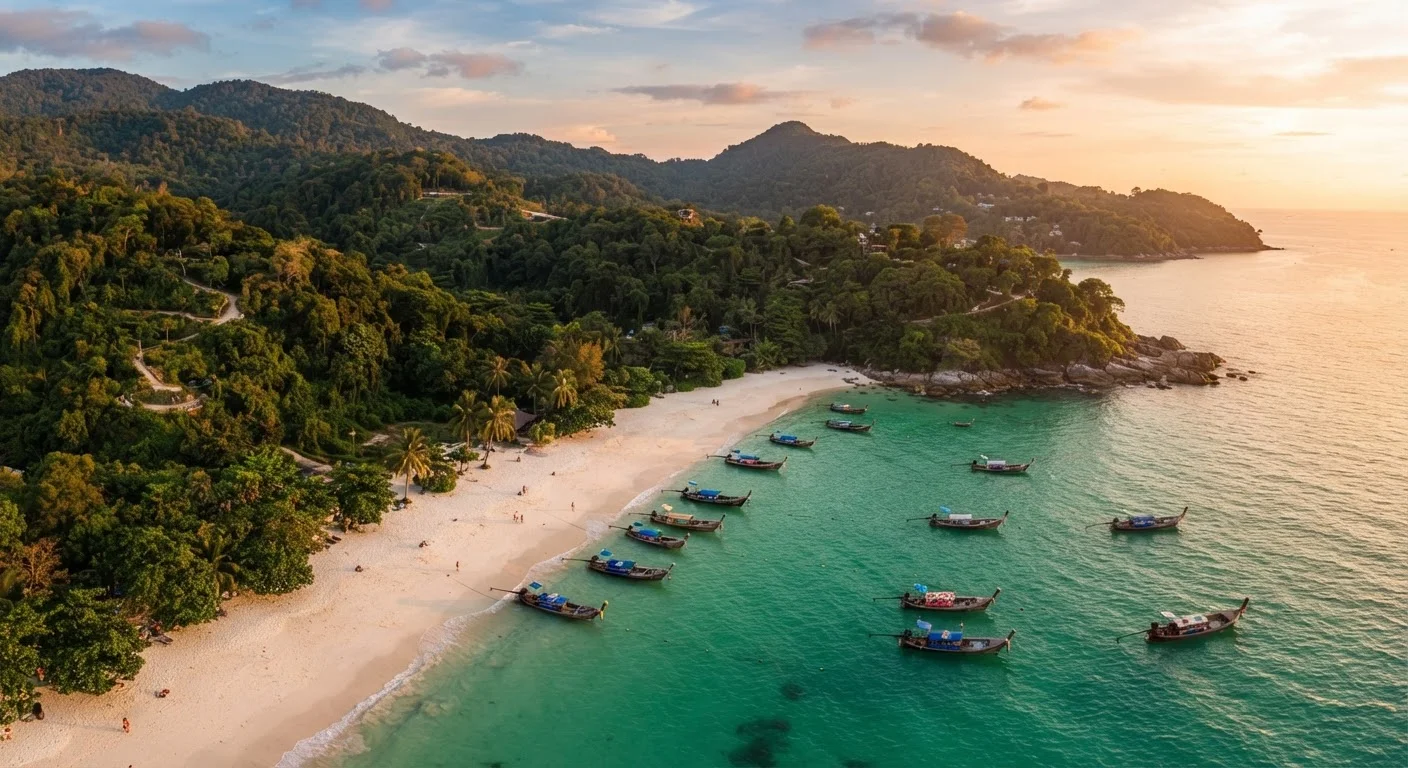
Photo credit: AdvisorHQ.net | Informative Website
In this article
Thailand, Vietnam, Indonesia — the region offers a lot. Here's how to think through entry points, logistics, and what suits different travel styles.
Key Takeaways
- Thailand is the most accessible first stop for most Americans due to visa ease, tourist infrastructure, and English prevalence.
- Vietnam rewards travelers who want culture, history, and food variety spread across a long, linear country.
- Indonesia's Bali is a strong single-destination option; the broader archipelago requires more planning.
- Seasonality matters enormously - monsoon timing varies by country and even by region within each country.
- Your available trip length and tolerance for logistics complexity should weigh heavily in the decision.
- Combining two neighboring countries in one trip is feasible with two weeks; three or more is often rushed.
Why First-Timers Get Stuck on the Decision
Southeast Asia isn't a destination - it's a region with eleven countries, dozens of distinct cultures, wildly different landscapes, and travel experiences ranging from serene temple visits to chaotic night markets to remote island hopping. That breadth is the appeal, and it's also exactly why so many first-time visitors spend weeks agonizing over where to even begin.
The most common mistake is trying to see too much. A two-week trip that hops through five countries will leave you exhausted and surface-level everywhere. A focused itinerary - even just one or two countries - gives you the time to actually absorb a place. If you haven't already, our first-timer's trip planning roadmap walks through the full decision framework from scratch.
Gateway city
A major city with a large international airport that serves as the practical entry point to a country or region, often offering the most flight connections and tourist services.
Monsoon season
A period of heavy, predictable seasonal rainfall that affects travel conditions, road access, and the viability of outdoor activities in many parts of Southeast Asia.
Visa on arrival
A visa obtained at the airport or border crossing upon arrival in a country, rather than arranged in advance through an embassy. Eligibility varies by passport and destination.
Tourist infrastructure
The network of services built around travelers - accommodation options, transportation links, English signage, and booking platforms - that makes navigating a destination easier.
Internal transport
The ways you get around within a country once you've arrived - including domestic flights, trains, buses, ferries, and ride-hailing apps.
Matching Entry Points to Travel Style
Your ideal starting point depends less on what's popular and more on what you actually want out of the trip. Ask yourself a few honest questions before defaulting to wherever your Instagram feed points.
- Do you want a beach-heavy trip or cultural depth? Bali (Indonesia) and southern Thailand skew beach and resort; Hanoi, Chiang Mai, and Yogyakarta skew history, temples, and food culture.
- How comfortable are you with logistical uncertainty? Thailand has one of the most developed tourist infrastructures in the region - signage, English-speaking staff, and booking options are widespread. Vietnam and Indonesia outside Bali require a bit more self-sufficiency.
- Are you traveling solo or in a group? Solo travelers often find Thailand's well-worn backpacker circuit - Bangkok to Chiang Mai to the islands - a gentle confidence-builder. See our guide to first solo international travel for what to expect.
Start With One Country, Not a Region
It's tempting to plan a sweeping multi-country route for your first Southeast Asia trip, but depth beats breadth on an initial visit. Choosing one country - and exploring it properly - gives you a genuine feel for a place and leaves you wanting to return rather than feeling like you rushed through a checklist.
Logistics That Should Actually Shape Your Choice
Beyond travel style, pure logistics should carry significant weight in your decision. These aren't glamorous factors, but they're the ones that determine whether your trip runs smoothly.
Flight connections: From most U.S. cities, Bangkok (BKK/DMK), Singapore (SIN), and Kuala Lumpur (KUL) are the most common regional hubs with the most routing options. Starting in a hub city often simplifies your international arrival and gives you onward options.
Seasonal timing: Monsoon seasons don't follow a single calendar across the region. Thailand's Gulf Coast and Vietnam's central coast have opposite rain seasons. Before locking in dates, research conditions for the specific areas you plan to visit - not just the country as a whole.
Trip length: With under two weeks, pick one country and go deep. With two to three weeks, a two-country itinerary is realistic if the countries share a border or have good flight links. Forcing three-plus countries into two weeks is the surest way to feel like you saw everything and experienced nothing.
For building out the day-to-day structure once you've chosen a destination, these itinerary-building principles apply well regardless of where you land.
A Realistic Look at Each Major Gateway
Thailand is the default first choice for a reason. Bangkok is a remarkable city - overwhelming, yes, but rich in temples, markets, and food. The north (Chiang Mai) offers mountains and culture; the south offers islands ranging from lively (Koh Samui, Phuket) to quieter (Koh Lanta). The tourist infrastructure is well-developed, and first-timers tend to find their footing quickly.
Vietnam is a long, narrow country best understood as three distinct zones: the north (Hanoi, Ha Long Bay), the center (Hoi An, Hue, Da Nang), and the south (Ho Chi Minh City, the Mekong Delta). It rewards travelers who want culinary variety, layered history, and a sense of discovery - but moving between zones takes time and planning.
Indonesia as a country is vast - over 17,000 islands - but Bali functions almost as its own self-contained destination. Ubud for culture and rice terraces, Seminyak or Canggu for beach and nightlife, Uluwatu for surf and dramatic clifftop temples. Extending beyond Bali to Lombok or the Gili Islands is manageable and popular; deeper exploration of Java or Flores requires more time and planning commitment.
Cambodia and Laos are often added to Thailand or Vietnam itineraries rather than serving as solo first destinations. Siem Reap (Angkor Wat) is a compelling addition to a Thailand trip; Luang Prabang is one of Southeast Asia's most beautiful towns and pairs well with northern Vietnam.
How to Narrow It Down and Start Planning
If you've read this far and still feel undecided, use this simple filter: choose the country that matches your primary travel goal, not your secondary ones. If your main goal is temples and history, lean Vietnam or northern Thailand. If your main goal is beach relaxation with manageable logistics, lean Thailand's islands or Bali. If you want a mix of both, Thailand as a single country actually delivers that better than most.
Once you have your destination, the next critical decision is how structured your days should be. Our piece on how rigid your travel schedule should actually be is worth reading before you start filling in your calendar.
Finally, always verify visa requirements, travel advisories, and vaccination recommendations through official sources - the U.S. State Department and the destination country's official immigration authority - before booking anything. Conditions change, and no article should substitute for current official guidance.
Southeast Asia is genuinely one of the world's great first international destinations. Pick a door, walk through it, and trust that a well-chosen starting point beats a frantically over-planned multi-country sweep every time.
Frequently Asked Questions

Author
Travel & Trips Editorial Team
Travel & Trips Editorial Team is the collective byline for our editorial team and contributor network. Articles published under this byline or an editorial pen name are researched, written, and reviewed according to our editorial standards for clarity, consistency, and independence before publication.
View all articles →