
The Realities of Traveling to Iceland in Winter
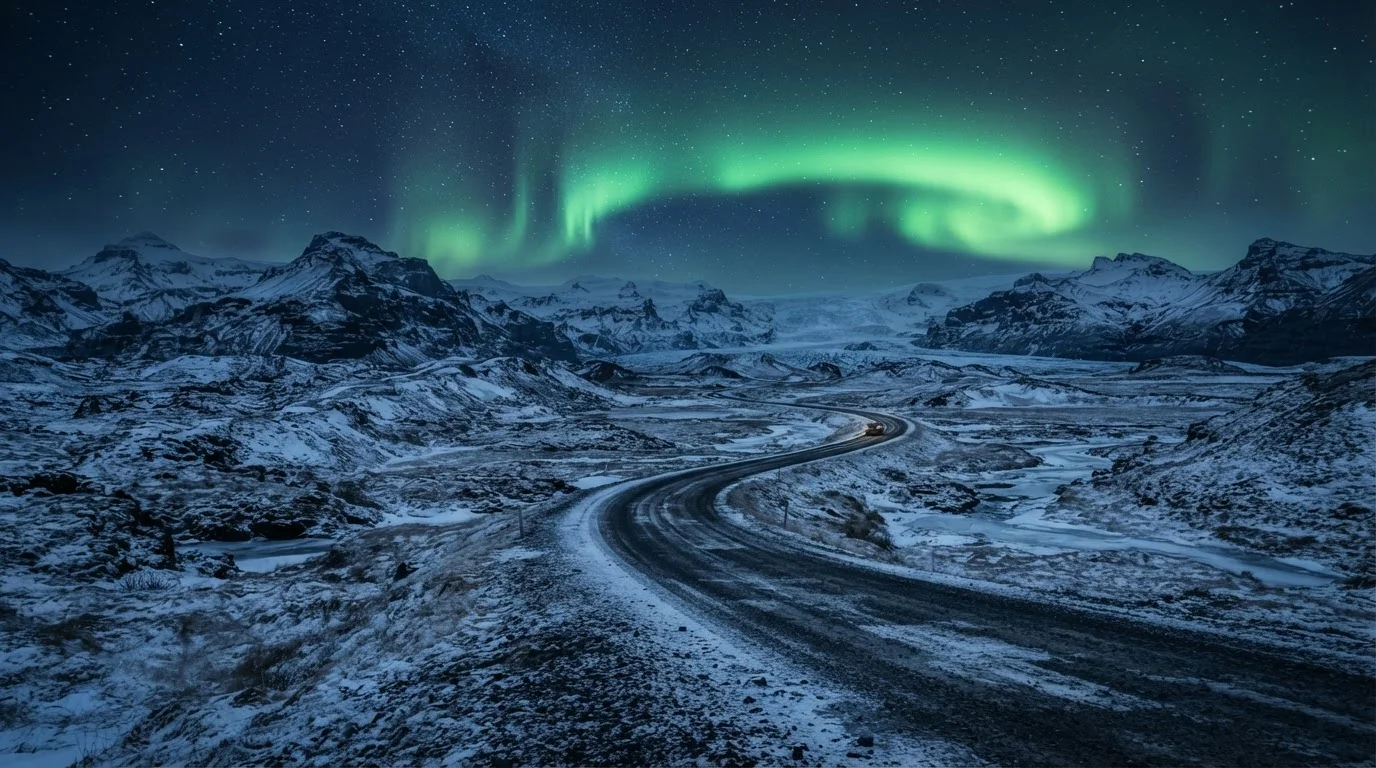
Photo credit: AdvisorHQ.net | Informative Website
In this article
Northern lights are real, but so are polar darkness and road closures. A grounded look at what an Icelandic winter trip actually involves.
Key Takeaways
- Iceland in winter offers the northern lights and unique landscapes, but daylight is extremely limited.
- Road conditions can be severe and unpredictable; some highland routes close entirely in winter.
- Prices and crowds are generally lower in winter compared to the peak summer season.
- Packing for extreme cold, wind, and wet conditions is non-negotiable for a safe trip.
- Weather changes fast - flexibility in your itinerary is more useful than a rigid schedule.
Prime northern lights viewing conditions
Long, dark nights from November through March provide the best window for aurora borealis sightings, especially away from city lights in rural areas.
Significantly fewer crowds at major sites
Popular attractions like the Blue Lagoon area, Gullfoss, and the South Coast see a fraction of summer visitor numbers, making for a more personal experience.
Lower prices on accommodation and tours
Winter is considered off-season for most of Iceland, and hotel rates and guided tour costs are generally reduced compared to June, July, and August peaks.
Unique, dramatic winter landscapes
Snow-draped lava fields, ice caves in Vatnajökull glacier, and frozen waterfalls create scenery that simply doesn't exist in the same form in warmer months.
Access to glacier ice caves
Natural ice caves inside Vatnajökull are only safely accessible during winter when the ice is stable - this is a genuinely once-in-a-lifetime opportunity for many visitors.
Extremely limited daylight hours
Midwinter days can offer as few as four hours of light in Reykjavík and even less further north, significantly compressing the window for sightseeing and photography.
Hazardous and frequently closed roads
Black ice, blowing snow, and sudden storms make driving dangerous, and all highland F-roads close for the season. Road conditions can change within hours with little warning.
Unpredictable, often severe weather
Storm systems can ground flights, force tour cancellations, and make outdoor activity impossible for stretches of days - disrupting even well-planned itineraries.
No guarantee of northern lights
Clear skies are necessary for aurora viewing, and Iceland's overcast winters mean many travelers spend their entire trip under cloud cover without a single sighting.
Reduced services and shorter hours
Some restaurants, rental agencies, tours, and remote accommodations operate reduced schedules or close entirely between November and March.
What Winter in Iceland Actually Looks Like
Iceland's winter stretches roughly from November through March, and the experience is unlike any other destination in the Northern Hemisphere. In Reykjavík, December days can offer as few as four to five hours of usable daylight. In the far north, the sun may barely clear the horizon at all. This phenomenon - known as polar night - shapes everything from sightseeing windows to mood and energy levels.
Temperatures in coastal areas typically hover between 20°F and 40°F (-7°C to 4°C), which sounds manageable until you factor in the relentless wind. Iceland earns its reputation for weather that shifts in minutes: a calm morning in Reykjavík can become a full whiteout by early afternoon further inland. That said, the landscape itself becomes something otherworldly - geothermal steam rising from snow-covered fields, waterfalls frozen mid-cascade, and the chance to witness the northern lights on clear, dark nights.
A Word on Northern Lights Expectations
The aurora borealis is real and genuinely spectacular in Iceland - but it requires three things: clear skies, darkness, and solar activity. None of these are guaranteed on any given night. Travelers who build their entire trip around a single aurora sighting often come away disappointed. Think of it as a bonus rather than the main event, and you'll enjoy the rest of what Iceland offers far more.
The Real Pros of a Winter Visit
Despite the challenges, winter draws a loyal crowd of travelers for good reason.
Prime northern lights viewing conditions
Long, dark nights from November through March provide the best window for aurora borealis sightings, especially away from city lights in rural areas.
Significantly fewer crowds at major sites
Popular attractions like the Blue Lagoon area, Gullfoss, and the South Coast see a fraction of summer visitor numbers, making for a more personal experience.
Lower prices on accommodation and tours
Winter is considered off-season for most of Iceland, and hotel rates and guided tour costs are generally reduced compared to June, July, and August peaks.
Unique, dramatic winter landscapes
Snow-draped lava fields, ice caves in Vatnajökull glacier, and frozen waterfalls create scenery that simply doesn't exist in the same form in warmer months.
Access to glacier ice caves
Natural ice caves inside Vatnajökull are only safely accessible during winter when the ice is stable - this is a genuinely once-in-a-lifetime opportunity for many visitors.
Fewer tourists at major attractions means you may actually have Seljalandsfoss waterfall or the Golden Circle largely to yourself - a stark contrast to the summer queues. Iceland's off-season pricing is also noticeably lower for accommodation and tours, though it's worth understanding the full picture. As explored in our guide to off-season travel, lower prices frequently come paired with reduced services and access.
The Real Cons You Need to Know
Winter travel in Iceland carries genuine risks and limitations that can catch unprepared visitors off guard.
Extremely limited daylight hours
Midwinter days can offer as few as four hours of light in Reykjavík and even less further north, significantly compressing the window for sightseeing and photography.
Hazardous and frequently closed roads
Black ice, blowing snow, and sudden storms make driving dangerous, and all highland F-roads close for the season. Road conditions can change within hours with little warning.
Unpredictable, often severe weather
Storm systems can ground flights, force tour cancellations, and make outdoor activity impossible for stretches of days - disrupting even well-planned itineraries.
No guarantee of northern lights
Clear skies are necessary for aurora viewing, and Iceland's overcast winters mean many travelers spend their entire trip under cloud cover without a single sighting.
Reduced services and shorter hours
Some restaurants, rental agencies, tours, and remote accommodations operate reduced schedules or close entirely between November and March.
~4-5 hrs
Daylight hours in Reykjavík in December
According to astronomical data, the winter solstice in Reykjavík yields roughly four to five hours of daylight, with the sun rising and setting at low angles.
~1,000+
Tourist vehicle accidents reported annually
Icelandic authorities have noted a pattern of tourist-involved road incidents each winter, often attributed to unfamiliarity with icy and unpaved road conditions.
Road safety is the most pressing concern. The Icelandic Road and Coastal Administration (Vegagerðin) maintains a live conditions map that every winter driver should consult daily - road.is is the official source. Highland roads (the F-roads) are closed entirely in winter and are not accessible even with four-wheel drive. Underestimating Icelandic road conditions has led to serious accidents among tourists, and rental agreements may not cover damages incurred while driving on restricted roads.
Planning Practically for an Icelandic Winter
Success in Iceland during winter comes down to preparation and the right mindset. A few grounded guidelines:
- Build in flexibility. Book refundable accommodations where possible. Weather-related cancellations are common, and a rigid itinerary will cause more stress than it's worth.
- Dress in layers. Waterproof outer layers, insulated mid-layers, and moisture-wicking base layers are standard. Exposed skin in Icelandic wind loses heat rapidly.
- Rent the right vehicle. A four-wheel-drive with good winter tires is strongly advisable. Check whether your rental includes adequate insurance coverage for winter conditions.
- Check conditions daily. Weather forecasts from the Icelandic Met Office (vedur.is) and road updates from vegagerdin.is should be part of every morning routine on the road.
- Manage aurora expectations. Northern lights require clear skies and darkness - neither is guaranteed. Apps and forecast services help, but sightings are never certain.
Iceland rewards travelers who show up curious, humble, and ready to pivot. The country doesn't bend to itineraries - but the travelers who let it lead them tend to come back with the best stories.

Author
Travel & Trips Editorial Team
Travel & Trips Editorial Team is the collective byline for our editorial team and contributor network. Articles published under this byline or an editorial pen name are researched, written, and reviewed according to our editorial standards for clarity, consistency, and independence before publication.
View all articles →