
What 'All-Inclusive' Actually Means at Caribbean Resorts
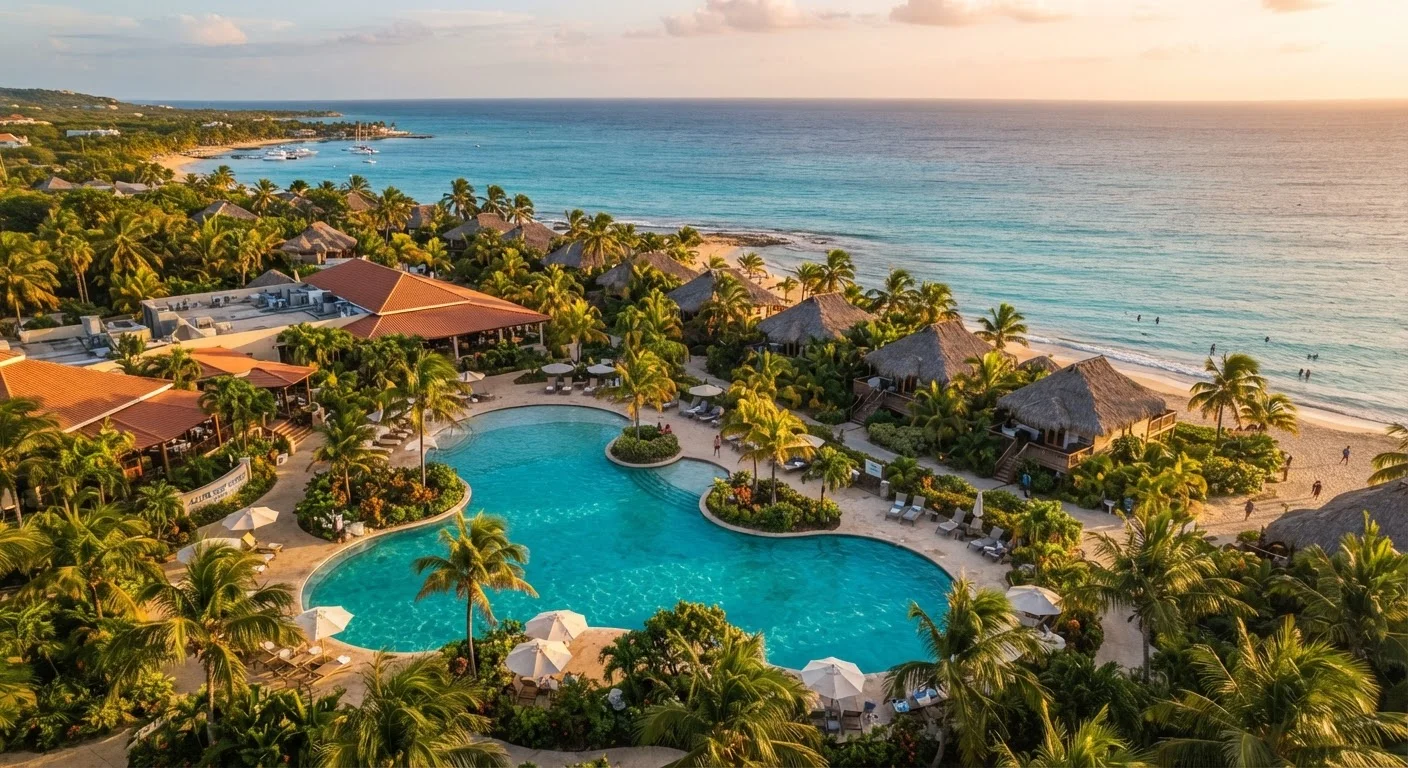
Photo credit: AdvisorHQ.net | Informative Website
In this article
The term 'all-inclusive' varies widely. Understand what's typically covered, what isn't, and how to read the fine print before you travel.
Key Takeaways
- All-inclusive pricing is set by individual resorts, not an industry standard - coverage varies widely.
- Most packages include accommodations, buffet and à la carte meals, house-brand drinks, and basic activities.
- Premium alcohol, specialty restaurants, spa services, and off-site excursions are commonly excluded.
- Reading the package details before booking helps you avoid surprise charges at checkout.
- Budget for gratuities, airport transfers, and personal spending money even at all-inclusives.
- Comparing what two resorts call 'all-inclusive' is often like comparing apples to oranges.
What's Usually Included
Caribbean all-inclusive resorts generally bundle four core categories into the room rate: accommodations, food, beverages, and basic activities.
On the food side, expect access to the main buffet and often one or two included à la carte restaurants. Beverages typically mean house-brand spirits, domestic beer, house wine, soft drinks, juices, and coffee - served at the pool bar and during meals. Basic activities commonly covered include access to non-motorized water sports (kayaking, paddleboarding, snorkeling gear), beach chairs and umbrellas, on-site pools, and scheduled entertainment like evening shows or beach volleyball.
Fitness centers, kids' clubs, and Wi-Fi are included at some properties but treated as paid extras at others. The only way to know for certain is to read the package description carefully - not just the marketing headline.
~60%
Travelers who misunderstand all-inclusive coverage
Industry surveys from travel booking platforms consistently find a majority of all-inclusive guests arrive unaware of what their package excludes.
$50-$200+
Typical daily out-of-pocket spend at all-inclusives
Travel advisors commonly suggest budgeting this range per day for extras like excursions, premium drinks, and spa services beyond the package.
3-10+
On-site dining venues per large resort
Larger Caribbean resort complexes may operate many restaurants, but the number included in the base package is often a fraction of the total.
What's Commonly Left Out
The exclusions list is where travelers tend to get caught off guard. Here's what frequently falls outside the all-inclusive umbrella:
- Premium and top-shelf alcohol - name-brand spirits and imported wines often appear on a separate drinks menu with per-drink pricing.
- Specialty restaurants - sushi bars, steakhouses, or chef's-table experiences may require an upcharge or advance reservation fee.
- Spa services - massages, facials, and treatments are almost always excluded, even at luxury resorts.
- Motorized water sports - jet ski rentals, parasailing, and boat excursions typically cost extra.
- Off-site tours and excursions - these are sold separately, either through the resort's concierge or independent operators.
- Airport transfers - getting to and from the resort is rarely part of the package.
- Gratuities - many resorts do not include tips, so budget extra cash for staff who directly serve you.
For a broader look at costs that tend to sneak up on travelers, see our guide on hidden travel costs.
Ask for the Inclusions List in Writing
Before finalizing any booking, request a written list of exactly what the package covers - not just a verbal assurance from a salesperson. Many resort websites list inclusions in a dedicated FAQ or package details page. Screenshotting or saving that page gives you documentation if there's a dispute at checkout.
How to Read the Fine Print
Two resorts can both advertise 'all-inclusive' and deliver dramatically different experiences - because the term carries no universal definition. When you're comparing options, treat each package like a contract and look for specific answers to these questions:
- How many restaurants are included? Are there dining reservation requirements or limits per stay?
- What drink brands are covered? Is there a separate 'premium' bar menu?
- What activities are included by name? 'Water sports' is vague - paddle boats and jet skis are not the same thing.
- Are there daily fees or resort charges not reflected in the room rate?
- Are gratuities included or expected separately?
If the resort's website doesn't spell this out clearly, call the property directly or ask a travel agent to get it in writing before you book. For broader trip-planning logistics, our end-to-end travel planning reference covers everything from documentation to booking strategy.
“The single biggest mistake travelers make is assuming 'all-inclusive' means the same thing everywhere. It doesn't. What's in the package is whatever that particular resort decided to put in it.”
— Pauline Frommer, Travel journalist and guidebook author
Setting a Realistic On-Site Budget
Even the most comprehensive all-inclusive package won't eliminate all spending. Experienced travelers budget a daily discretionary amount for extras - typically covering premium drinks, specialty dining, spa visits, or excursions they want to add. Think of the all-inclusive rate as covering your baseline comfort, not every possible experience the destination has to offer.
It also helps to check what off-season travel really means for your chosen destination - lower all-inclusive rates sometimes come with fewer restaurant options or reduced activity schedules, which changes the value equation.
Finally, protect your investment. All-inclusive packages are often non-refundable or have strict cancellation terms. A travel insurance policy can help cover you if plans change unexpectedly. Our travel insurance explainer breaks down what policies typically cover and where the gaps tend to be.
The bottom line: 'all-inclusive' is a starting point, not a guarantee. Knowing exactly what your package covers - and what it doesn't - is the clearest path to a vacation that actually meets your expectations.
A couple books a package advertised as all-inclusive with 'unlimited dining.' At check-in, they learn the Japanese restaurant and the steakhouse require a $35-per-person surcharge.
A family arriving at a large Punta Cana resort expects their teens to use the paddleboard and kayak rentals freely, but finds motorized water sports require separate booking and payment.
A traveler upgrades to a 'premium all-inclusive' tier mid-stay after finding that the base package covers only house-brand liquor and the drinks they actually want are on a paid menu.
Frequently Asked Questions

Author
Travel & Trips Editorial Team
Travel & Trips Editorial Team is the collective byline for our editorial team and contributor network. Articles published under this byline or an editorial pen name are researched, written, and reviewed according to our editorial standards for clarity, consistency, and independence before publication.
View all articles →