
Booking Flights Closer to Departure: What Travelers Often Get Wrong
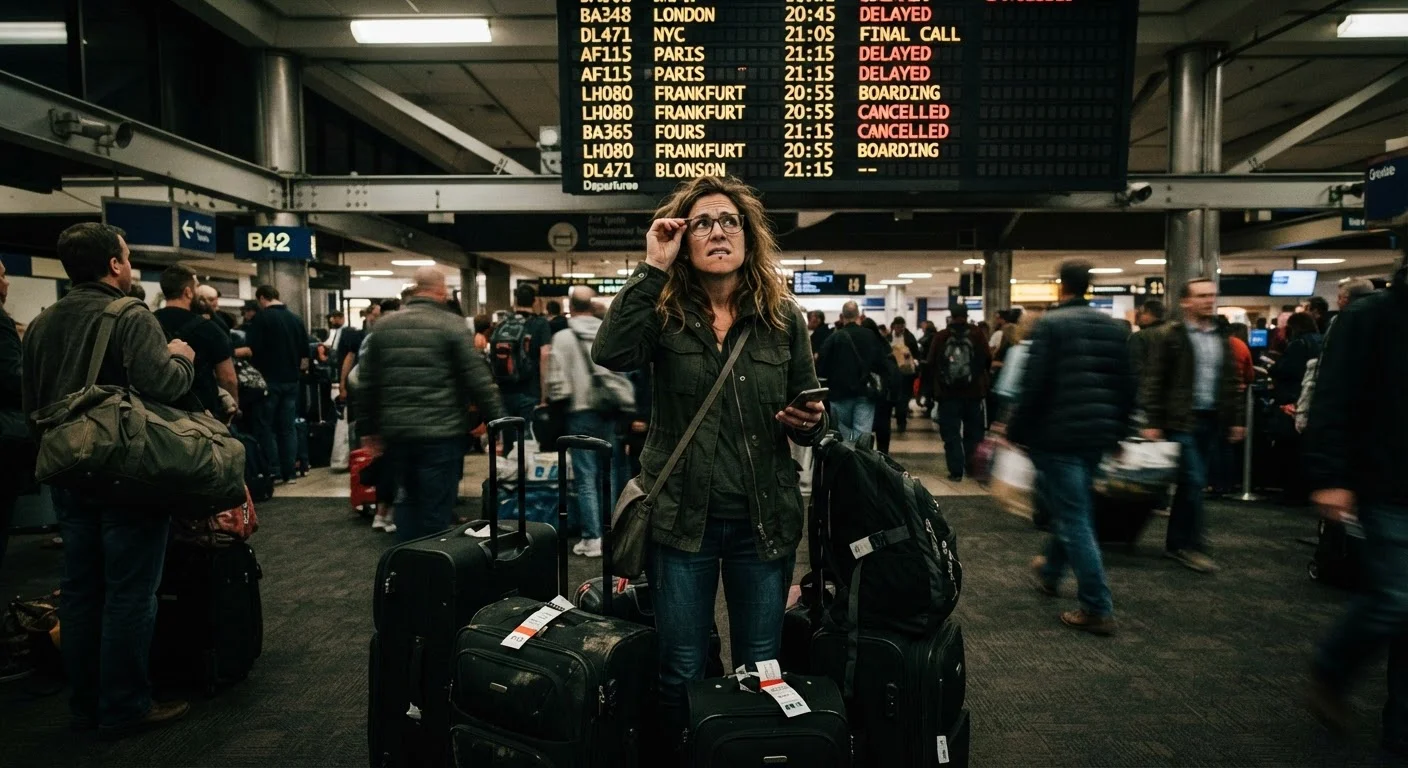
Photo credit: AdvisorHQ.net | Informative Website
In this article
Last-minute flight deals exist, but the conditions that produce them are unpredictable. Here's the reality behind the strategy — and the risk.
Key Takeaways
- Last-minute flight deals exist but are rare, unpredictable, and route-dependent - not a reliable strategy.
- Airlines use dynamic pricing algorithms that typically raise fares as departure approaches, not lower them.
- Waiting for a deal can eliminate flexibility on dates, times, seats, and connections.
- Some routes and travel periods are far more punishing for late bookers than others.
- A realistic budget built before booking protects you from decision-making driven by desperation.
Why the Last-Minute Deal Fantasy Persists
The idea that airlines desperately cut prices in the final days before a flight is one of travel's most durable myths. It's not entirely fiction - last-minute discounts do occur - but the conditions that create them are narrow and inconsistent. They tend to appear on routes with low baseline demand, during off-peak travel periods, and on carriers that would rather fill a seat at a reduced rate than fly it empty.
The problem is that travelers often extrapolate from a handful of memorable wins - or from someone else's story - and build a booking strategy around outcomes that were never repeatable in the first place. Airlines use dynamic pricing algorithms specifically designed to capture maximum revenue from each seat as departure approaches. On any route with healthy demand, those algorithms are more likely to push prices up in the final two weeks, not down.
For a grounded look at how timing myths shape traveler decisions, the reality behind 'book early, save more' is worth understanding before you decide which direction to gamble.
Late Booking Risk Is Route-Specific
The conditions that produce last-minute deals - unsold seats on low-demand routes during off-peak periods - don't apply equally everywhere. On popular leisure routes, holiday weekends, and peak summer travel, fares almost always climb closer to departure. Treating last-minute booking as a general strategy rather than a route-specific opportunity is one of the most expensive assumptions a traveler can make.
The Most Common Mistakes Late Bookers Make
Last-minute booking isn't inherently wrong - but the reasoning behind it often is. Most errors don't come from the decision to book late; they come from faulty assumptions about what that decision will deliver.
Assuming last-minute deals are the norm rather than the exception.
Why it happens: Stories about snagging $99 cross-country fares the night before departure circulate widely online, creating the impression that airlines routinely slash prices to fill planes at the last minute.
Conflating flexibility with a cost advantage.
Why it happens: Flexible travelers assume their willingness to fly any day or time gives them leverage, but airlines don't price based on your flexibility - they price based on remaining demand.
Ignoring how travel period dramatically changes last-minute pricing.
Why it happens: Travelers apply a general "last-minute deal" mental model without accounting for the calendar. What works in January on a secondary route can backfire badly during spring break or Thanksgiving week.
Waiting so long that accommodation and logistics also become constrained.
Why it happens: Travelers focused on flight price often forget that hotels, rental cars, and popular tours operate independently and may sell out or surge in price well before the flight window closes.
Misreading a stagnant fare as a signal that prices will fall.
Why it happens: When fares hold steady for several weeks, some travelers interpret that as evidence the airline is struggling to fill the plane and will cut prices soon.
When you add flight stress to a poorly constructed itinerary, the compounding effect is real. Common itinerary pitfalls become significantly harder to manage when your flight options are already constrained by late booking.
When Waiting Actually Makes Sense
There are scenarios where a more patient approach to booking is defensible. Travelers with genuine date flexibility, no accommodation constraints, and routes that historically show late-inventory softening may occasionally find value in waiting. Similarly, some budget carriers are more likely to discount unsold seats closer to departure than legacy network carriers - though even this varies considerably by market.
The honest version of the late-booking strategy looks like this: you've researched the route's typical pricing behavior, you have a real fallback if fares spike, your accommodation and ground logistics are already sorted, and you're prepared to accept a less convenient itinerary. That's a calculated risk. Waiting simply because you expect a deal to appear is not.
If you're considering off-peak travel to improve your odds, be aware that the trade-offs go beyond price. Off-season travel comes with real trade-offs that affect more than just your flight fare.
21-60 days
Typical domestic flight booking sweet spot
General analysis by travel industry researchers has consistently found that domestic U.S. fares tend to be most competitive in the three-to-eight-week window before departure, though this varies significantly by route and season.
~10-15%
Average fare increase in the final 2 weeks
Multiple fare-tracking analyses have observed that average domestic fares tend to rise meaningfully in the two weeks closest to departure, particularly on high-demand routes and during peak travel periods.

Author
Travel & Trips Editorial Team
Travel & Trips Editorial Team is the collective byline for our editorial team and contributor network. Articles published under this byline or an editorial pen name are researched, written, and reviewed according to our editorial standards for clarity, consistency, and independence before publication.
View all articles →