
Jet Lag Is Real - Here's What the Science Says About Managing It
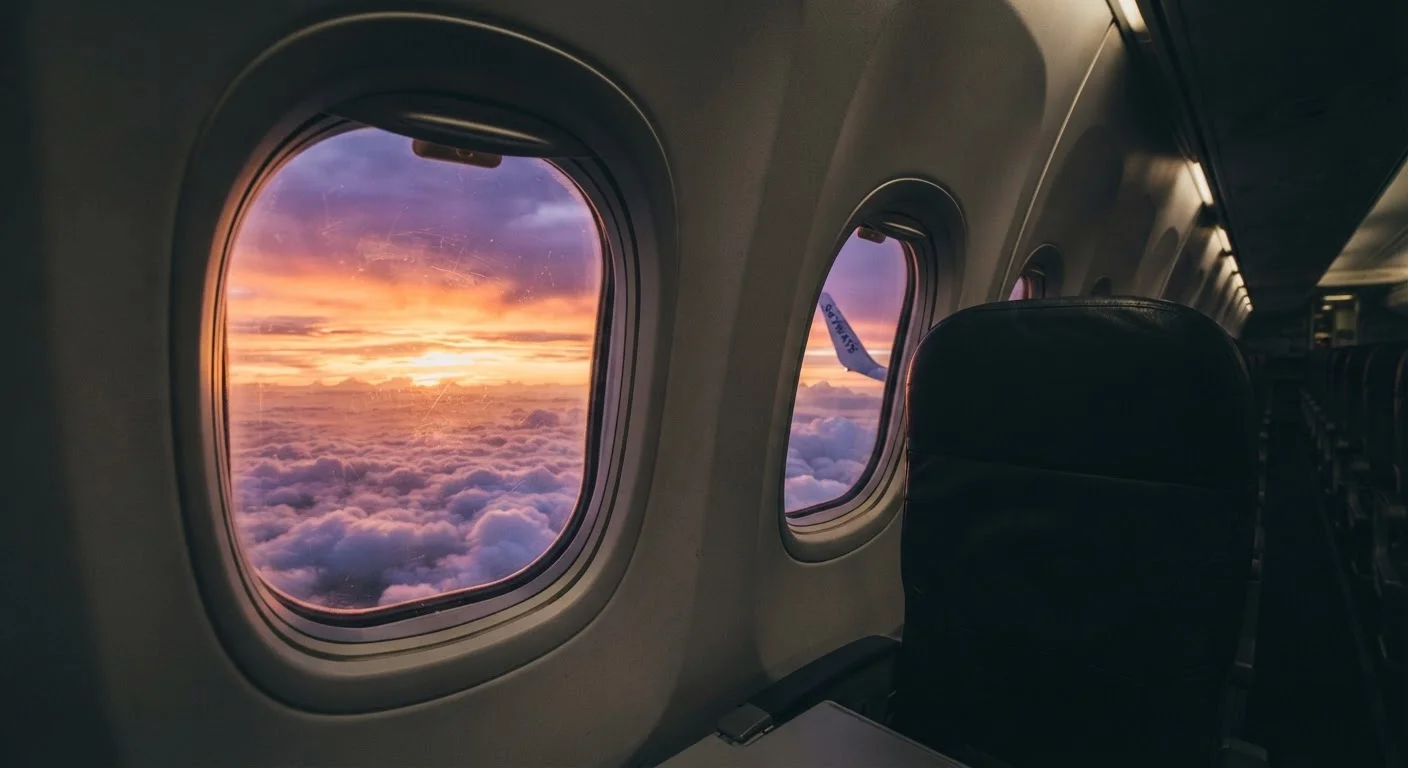
Photo credit: AdvisorHQ.net | Informative Website
In this article
Jet lag isn't just tiredness. Understand the biology behind it and the general strategies travelers use to recover faster after long flights.
Key Takeaways
- Jet lag is a biological condition caused by misalignment between your circadian clock and local time.
- Eastward travel is generally harder to adjust to than westward travel.
- Light exposure is the most powerful natural tool for resetting your internal clock.
- Staying hydrated and avoiding alcohol on flights can reduce symptom severity.
- Most travelers recover within one to several days depending on the number of time zones crossed.
Why Your Body Doesn't Know What Time It Is
Every cell in your body runs on a biological timer. Your circadian rhythm - the internal clock that governs sleep, hunger, hormone release, and dozens of other functions - operates on a near-24-hour cycle synchronized primarily to sunlight. When you fly across multiple time zones in a matter of hours, your body's clock stays anchored to your departure location while the outside world shifts beneath it.
The result is a mismatch between your physiology and your environment. Your brain expects darkness at 9 p.m. local time, but it's actually 2 p.m. outside. Your digestive system expects lunch, but the clock on the wall says midnight. This is jet lag - not just tiredness, but a genuine physiological misalignment that affects multiple body systems at once.
Research in chronobiology (the study of biological timing) has confirmed that jet lag is a recognized sleep disorder with measurable hormonal and neurological signatures. It's not something travelers imagine or exaggerate.
Jet Lag Is Distinct From Travel Fatigue
Not all post-flight exhaustion is jet lag. General travel fatigue - caused by disrupted sleep, long airport waits, and physical stress - can mimic jet lag symptoms without involving circadian misalignment. True jet lag tends to persist for days and includes difficulty sleeping at the local nighttime, not just tiredness after a long journey.
Eastward vs. Westward: Why Direction Matters
If you've ever noticed that a flight from New York to London seems to hit harder than the return trip, there's a scientific explanation. The human circadian rhythm naturally runs slightly longer than 24 hours - meaning it's easier for most people to delay sleep (staying up later, as westward travel demands) than to advance it (going to bed earlier, as eastward travel requires).
Flying east shortens your day, compressing the time before you need to sleep in the new location. Flying west lengthens it, giving your body more natural alignment to work with. This directional asymmetry is well-documented in sleep research and helps explain why many long-haul travelers find the outbound international leg more brutal than the homeward one.
~1 day
Recovery time per time zone crossed
A commonly cited general guideline in travel medicine suggests roughly one day of adjustment per time zone, though individual variation is significant.
2+
Time zones typically needed to trigger jet lag
Most sleep researchers and travel medicine sources note that crossing at least two time zones is generally required to produce noticeable circadian disruption.
24.2 hrs
Average human circadian rhythm length
Research has documented that the average human internal clock runs slightly longer than 24 hours, which helps explain why westward travel adjustment tends to be easier.
Light, Melatonin, and the Reset Mechanisms
Light is the dominant signal that sets your biological clock. The SCN (suprachiasmatic nucleus) in the brain receives input from the eyes and uses that information to calibrate hormone production - most notably melatonin, a hormone that signals darkness and promotes sleep onset. When you arrive at a destination where daylight doesn't match your internal expectations, getting strategic light exposure is the most evidence-backed tool for resetting your rhythm.
For eastward travelers, morning light exposure at the destination tends to advance the clock forward. For westward travelers, evening light exposure helps delay it. The general principle: get outside during daylight hours at your destination, particularly in the morning if you flew east.
Melatonin supplements are widely used by travelers and studied in sleep research. Some studies indicate they can help ease circadian adjustment, especially for eastward travel, when taken at the appropriate local time. However, supplement use should be discussed with a healthcare provider - timing, dose, and individual health factors all influence whether and how well it works. This article is for general informational purposes and is not medical advice.
Time Your Light Exposure Strategically
After flying east, seek bright morning light at your destination and avoid bright light in the late evening. After flying west, do the opposite - embrace evening light and don't rush to bed too early. Even a 20-minute walk outside in daylight can reinforce the timing signal your circadian clock needs to reset.
Practical Habits That Support Recovery
Beyond light and supplements, several behavioral strategies are commonly discussed in travel medicine and sleep science circles. None guarantees a symptom-free adjustment, but together they may reduce the severity and duration of jet lag.
- Stay hydrated: Cabin air is notably low in humidity. Dehydration compounds fatigue and can worsen headaches and cognitive fog - symptoms that overlap with jet lag and intensify it.
- Avoid alcohol on long flights: Alcohol may make you feel drowsy, but it disrupts sleep quality and worsens dehydration, two things that are already under pressure during long-haul travel.
- Adapt to local time immediately: Resist the urge to nap through the day upon arrival if it's morning or afternoon at your destination. Staying awake until a local bedtime helps anchor your clock faster.
- Pre-adjust your schedule: In the days before a major trip, gradually shifting your sleep and wake times toward your destination's timezone can reduce the magnitude of the disruption.
When building your travel itinerary, it's also worth building in recovery time after long-haul legs rather than scheduling demanding activities on arrival day. See our itinerary-building guide for pacing principles that work across any destination.
This article is for general informational purposes only and does not constitute medical advice. Consult a qualified healthcare professional before making any changes related to sleep health, supplement use, or travel medicine.
Frequently Asked Questions

Author
Travel & Trips Editorial Team
Travel & Trips Editorial Team is the collective byline for our editorial team and contributor network. Articles published under this byline or an editorial pen name are researched, written, and reviewed according to our editorial standards for clarity, consistency, and independence before publication.
View all articles →