
Gap Insurance: What It Covers and When It Actually Makes Sense
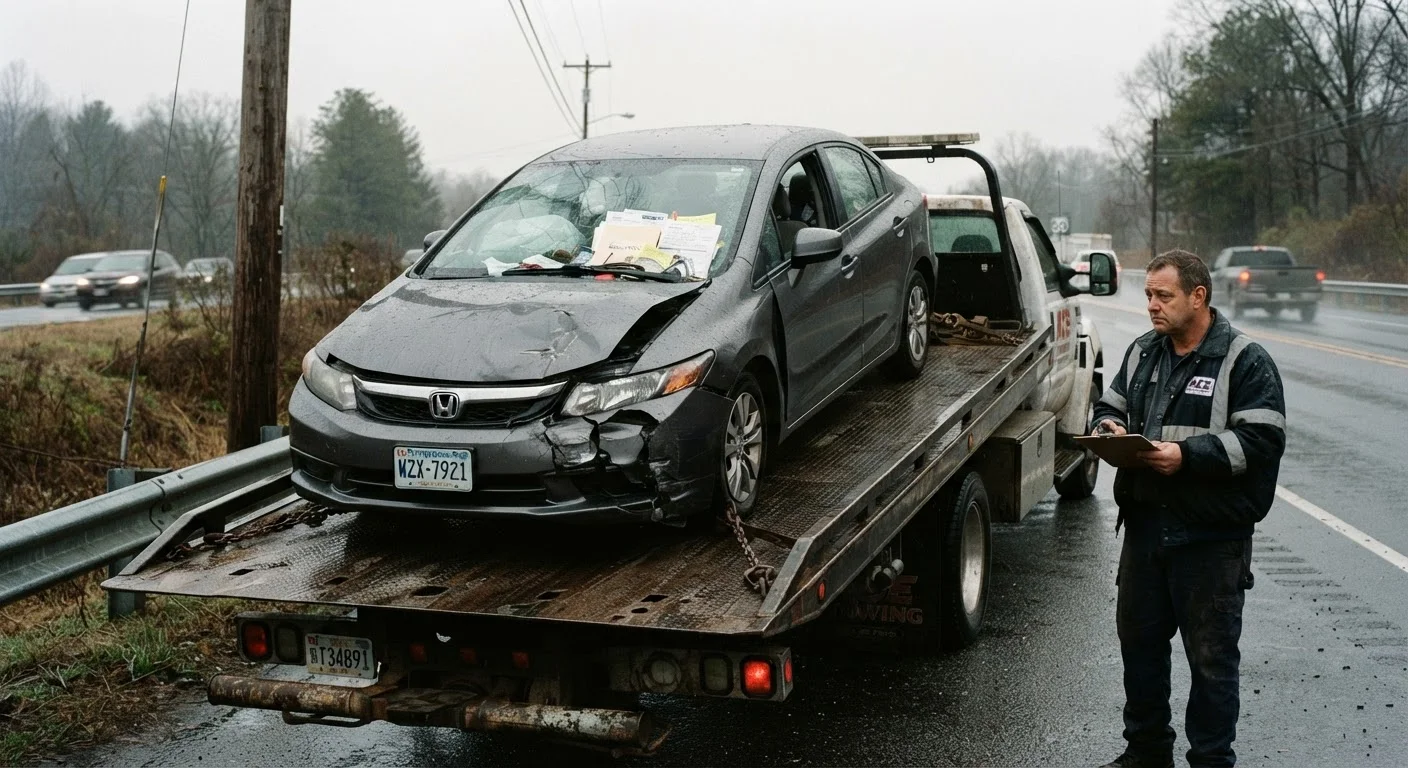
Photo credit: AdvisorHQ.net | Informative Website
In this article
If you owe more on your car than it's worth, gap insurance covers the difference after a total loss. Here's how it works and who it applies to.
Key Takeaways
- Gap insurance only pays out when your vehicle is declared a total loss - it does not cover repairs.
- New vehicles can lose 15-25% of their value in the first year, creating a gap between loan balance and car value.
- Gap coverage is most valuable when you financed with a small down payment or chose a long loan term.
- Gap insurance does not cover negative equity carried over from a previous vehicle loan.
- You can buy gap coverage through an insurer, dealer, or lender - costs and terms vary widely.
- Gap coverage is generally unnecessary if you own your vehicle outright or owe less than the car is worth.
Why a Standard Auto Policy Isn't Always Enough
Most drivers assume that if their car is totaled, their insurance will pay it off. In reality, standard collision and comprehensive coverage only reimburses you for your vehicle's actual cash value (ACV) - what the car is worth on the open market at the moment of the loss. Depreciation hits hard, especially in the early years of ownership.
A new vehicle can lose roughly 20% of its value within the first year alone. If you financed $35,000 and the car is totaled 18 months later, your insurer might pay out $26,000 - but you could still owe $30,000 on your loan. That $4,000 difference doesn't disappear. Without gap insurance, you owe it out of pocket, even though you no longer have the car.
To understand how collision and comprehensive interact with gap coverage, see our explainer on liability, collision, and comprehensive coverage.
~20%
Average new vehicle value lost in year one
Industry estimates consistently show new cars depreciate roughly 15-25% in their first year, with the steepest drop occurring immediately after purchase.
44%
Share of new vehicle loans with terms of 72+ months
According to Experian's automotive finance data, longer loan terms have become increasingly common, extending the period during which buyers may owe more than their vehicle is worth.
$6,000+
Typical gap between ACV payout and loan balance
Industry analysts note that the average shortfall between insurer payouts and outstanding loan balances on totaled vehicles can exceed several thousand dollars, particularly in the first two years of financing.
Who Actually Needs Gap Insurance
Gap insurance isn't necessary for every driver - its value depends directly on your financial relationship with your vehicle. You're most likely to benefit if any of the following apply:
- Small or no down payment: Putting less than 20% down means you start immediately underwater on depreciation.
- Long loan term: Loans stretching 60, 72, or 84 months build equity slowly, keeping your balance above the car's value for years.
- Leased vehicle: Most lease agreements require gap coverage because you never build ownership equity. Many leases include it automatically - check your contract.
- High-depreciation vehicle: Some models lose value faster than average, widening the gap sooner.
- Rolled-over negative equity: If you carried an unpaid balance from a previous loan into your new financing, your starting loan amount already exceeds the new car's value.
Conversely, if you paid cash for your vehicle, put down a substantial down payment, or your loan balance is already below what the car is worth, gap insurance adds little practical value. Reviewing your loan statement alongside a current vehicle valuation estimate can clarify your position.
A driver finances a new SUV for $40,000 with no down payment. Eighteen months later, it's totaled in an accident. The insurer pays out $31,000 (current ACV), but the remaining loan balance is $36,500.
A commuter leases a sedan and declines gap coverage to save money. The car is stolen and not recovered six months into a three-year lease.
A driver trades in a car with $5,000 in negative equity, rolling that balance into a new loan on a vehicle purchased for $28,000. Their total loan is $33,000 on a car worth $28,000 from day one.
A buyer puts 25% down on a used vehicle and opts for a 36-month loan. Two years in, they check their remaining balance against the car's estimated value.
Where and How to Get Gap Coverage
Gap insurance is available through three main channels, and the cost differences between them can be substantial.
Through Your Auto Insurer
Adding gap coverage as a rider to an existing comprehensive policy is generally the most cost-effective option. It's typically billed as an annual add-on and can be canceled at any time once the gap no longer exists.
Through the Dealership
Dealers commonly offer gap products at the point of sale, often rolling the cost into your loan. While convenient, dealer-offered gap can cost several hundred dollars - and you pay interest on it if it's financed. Read the terms carefully before agreeing.
Through Your Lender
Some banks and credit unions offer their own gap waiver products, which function similarly to insurance but are administered by the lender directly. Terms vary, so compare them with insurer-based options before deciding.
Regardless of source, always read what the policy excludes. Most gap products will not cover amounts owed due to late fees, insurance deductibles (though some do cover the deductible - check the fine print), or negative equity from a prior vehicle.
For a broader grounding in auto insurance terminology, our car insurance glossary covers key concepts in plain language.
This article is for general informational purposes only and does not constitute personalized insurance, financial, or legal advice. Coverage terms, costs, and availability vary by provider, state, and individual circumstances. Consult a licensed insurance agent or financial adviser to evaluate what is appropriate for your situation.
Frequently Asked Questions

Author
Cars & Driving Editorial Team
Cars & Driving Editorial Team is the collective byline for our editorial team and contributor network. Articles published under this byline or an editorial pen name are researched, written, and reviewed according to our editorial standards for clarity, consistency, and independence before publication.
View all articles →