
When Selling Your Car, These Oversights Can Hurt You Later
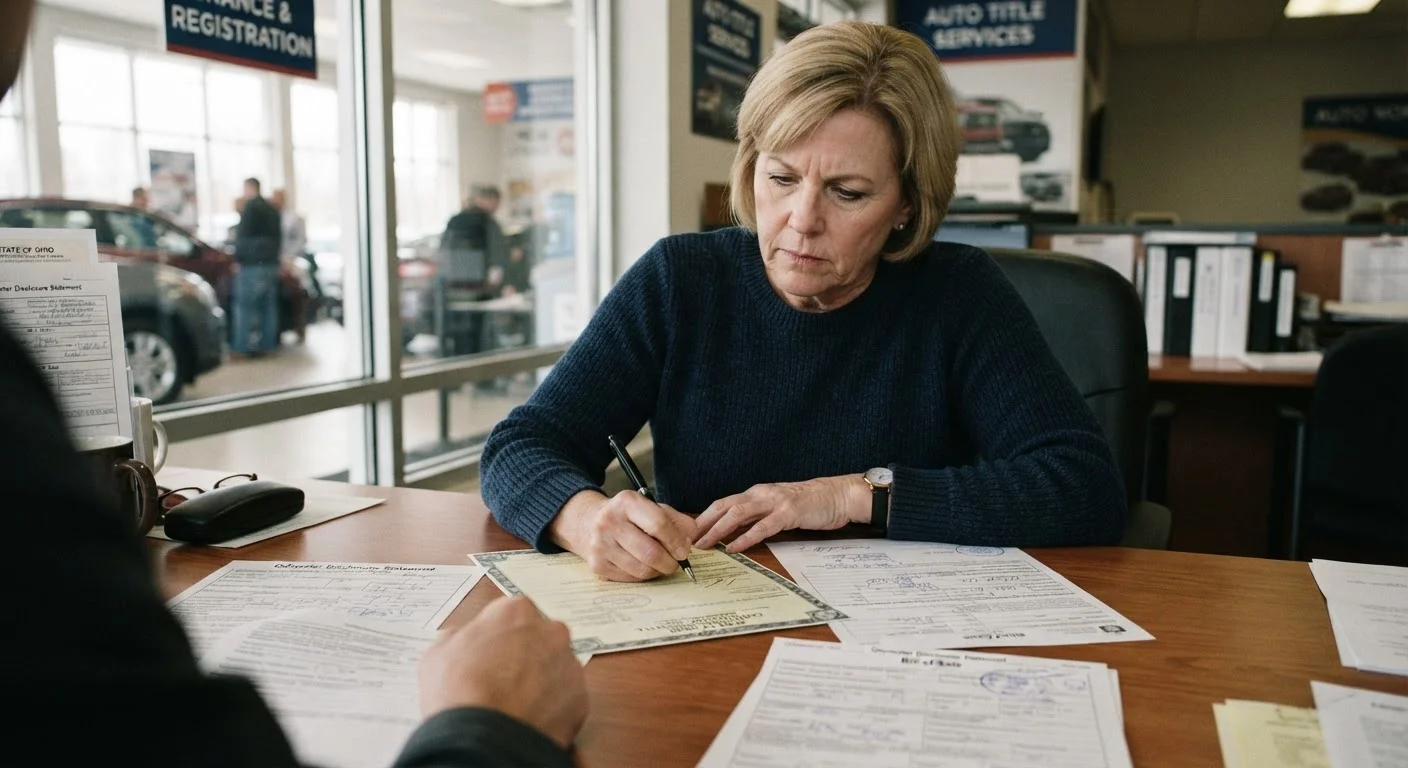
Photo credit: AdvisorHQ.net | Informative Website
In this article
Failing to transfer the title correctly or ignoring outstanding liens can create legal headaches long after the sale. Here's what to watch for.
Key Takeaways
- Failing to transfer the title correctly can leave you legally responsible for the vehicle after the sale.
- Outstanding liens must be resolved before a clean title can be transferred to the buyer.
- Canceling your insurance too soon after a private sale can expose you to unexpected liability.
- Keeping a bill of sale and notifying your DMV protects you if the buyer misuses the vehicle.
- State rules for title transfers, odometer disclosures, and release of liability vary significantly.
Why Private-Party Car Sales Create Lasting Legal Exposure
Selling a car privately feels straightforward - agree on a price, exchange keys, and walk away. But the paperwork trail that follows determines whether the sale is truly final. Mistakes made in the hours or days around the handoff can take months to surface, often arriving in the form of parking tickets, toll violations, or worse, a lawsuit tied to a vehicle you no longer own.
Unlike dealership transactions, private sales don't come with a compliance department ensuring every document is completed correctly. That responsibility falls entirely on the seller. Understanding what can go wrong - and why - is the most practical protection you have. For a detailed walkthrough of what title paperwork actually involves, see our guide to transferring a vehicle title.
Outstanding Liens Block a Legal Sale
If your vehicle has an active loan, the lender - not you - holds the title. You cannot legally transfer ownership until the lien is paid off and the lender releases the title. Selling a vehicle with an undisclosed lien can expose you to civil liability and, in some states, criminal charges. Contact your lender before listing the vehicle to understand the payoff process.
The Most Consequential Mistakes Sellers Make
The errors below aren't hypothetical. They represent the most common oversights that generate real legal, financial, and administrative problems for sellers after a deal is done.
Signing a blank title and handing it to the buyer without completing all required fields.
Why it happens: Sellers sometimes assume the buyer will fill in the remaining details, treating it as a shortcut to close the deal faster.
Failing to notify the DMV or submit a release of liability after the sale.
Why it happens: Many sellers assume the buyer's registration automatically removes them from the record, not realizing notification is a separate step.
Selling a vehicle without obtaining a bill of sale.
Why it happens: Private-party sellers often treat the title as sufficient documentation, overlooking the added legal protection a bill of sale provides.
Ignoring federal odometer disclosure requirements.
Why it happens: Sellers may not realize that federal law requires a written odometer statement for most vehicle sales, not just a verbal mention of the mileage.
Accepting payment before verifying the funds are legitimate and cleared.
Why it happens: Sellers, eager to finalize a deal, sometimes hand over the title before a personal check clears or before confirming a digital transfer was legitimate.
Each of these situations shares a common thread: the problem doesn't appear immediately. The legal exposure from a blank title or an unfiled release of liability may not surface until weeks after the sale - when you're long past the point of easy resolution.
Protecting Yourself Before, During, and After the Sale
Preparation before listing your vehicle does more than make the transaction smoother - it closes the gaps that lead to post-sale liability. Pull your title well in advance and confirm it matches your current name and address. If you have a loan, contact your lender to get an exact payoff amount and understand their process for releasing the lien. Some lenders mail a paper title within days; others take weeks.
Don't Cancel Insurance Before the Sale Is Final
Canceling your auto insurance policy the moment you accept a deposit is premature and risky. Until the title is legally transferred and the buyer has taken possession, incidents involving the vehicle may still be traced back to you. Keep your coverage active until the sale is complete and you have documentation confirming the transfer.
Once the sale is complete, don't rely on memory. File your release of liability or notice of transfer with the DMV the same day if possible. Keep copies of the signed title, the bill of sale, and any payment records in a secure location for at least a few years. These documents are your evidence if a dispute arises.
If you're newer to vehicle ownership and want to build stronger habits around the full scope of your responsibilities, our first-time owner guide covers the fundamentals that often get overlooked - including registration, insurance, and documentation basics that apply throughout the ownership cycle, not just at the point of sale.
This article provides general information about the vehicle selling process and is not legal or financial advice. Requirements for title transfers, odometer disclosures, and related documentation vary by state. Consult your state's DMV and, where appropriate, a qualified legal or financial professional for guidance specific to your situation.

Author
Cars & Driving Editorial Team
Cars & Driving Editorial Team is the collective byline for our editorial team and contributor network. Articles published under this byline or an editorial pen name are researched, written, and reviewed according to our editorial standards for clarity, consistency, and independence before publication.
View all articles →