
Everything Involved in Transferring a Vehicle Title
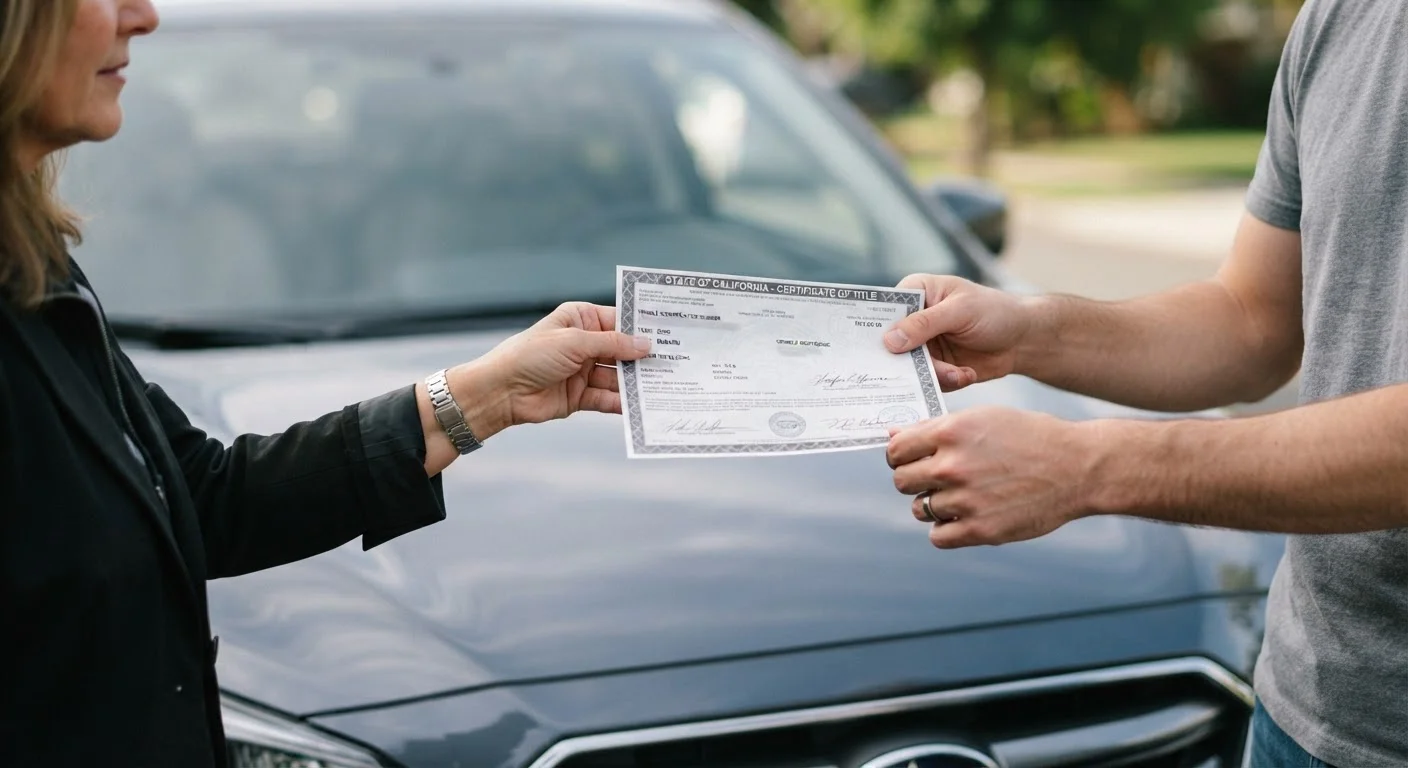
Photo credit: AdvisorHQ.net | Informative Website
In this article
Title transfers involve specific paperwork, fees, and deadlines that vary by state. This guide walks through what the process generally requires.
Key Takeaways
- A signed title document is the foundational requirement for any legal vehicle ownership transfer.
- Most states impose a deadline - typically 10 to 30 days - to complete the transfer after a sale.
- Outstanding liens must be fully released before a clean title can be issued to a new owner.
- Fees vary by state and are often calculated based on the vehicle's sale price or value.
- Both buyer and seller carry distinct responsibilities; failing either side can create legal problems.
Why Title Transfers Matter
A vehicle title is the legal document that establishes ownership. Without a properly completed transfer, the seller remains the owner of record - which can mean liability for traffic violations, accidents, or even crimes involving the vehicle after the sale. For the buyer, an untransferred title can complicate insurance claims, future resale attempts, and financing arrangements.
Title transfers apply in several situations beyond a simple private-party sale: inheritances, gifts between family members, dealer purchases, and even vehicles obtained through auction all require the title to be formally transferred. If you're navigating your first purchase, the first-time ownership guide covers many of the broader obligations that accompany a new vehicle.
State Rules Vary Significantly
Title transfer requirements, fees, deadlines, and acceptable documents differ from state to state. The information in this guide reflects general U.S. practices, but your state's DMV website is the authoritative source for your specific situation. Always verify current requirements directly with your state agency before proceeding.
Understanding what's involved before the transaction protects both parties. Sellers who skip this step face the risks outlined in our piece on common selling oversights - including ongoing liability for a car they no longer possess.
What You'll Need Before You Start
Preparation is the most important factor in a smooth title transfer. Gathering documents in advance prevents unnecessary delays at the DMV and protects against clerical errors that could invalidate the process.
What you will need
Original Vehicle Title
The primary legal document that proves ownership and must be signed over to the buyer.
Bill of Sale
Documents the transaction details including sale price, date, and both parties' information.
Odometer Disclosure Statement
Federally required for most vehicles under 10 years old to record the mileage at time of sale.
Lien Release Letter
Required when the vehicle previously had a loan; confirms the lender no longer has a claim on the title.
State-Specific Transfer Form
Some states require an additional DMV form separate from the title itself to complete the transfer.
Note that dealer sales typically handle much of this paperwork on the buyer's behalf, but private-party transactions require both buyer and seller to take an active role. If the vehicle was financed, review how your loan arrangement affects ownership documents - the financing comparison guide explains how lenders typically hold titles until loans are paid off.
Step-by-Step: Completing the Transfer
Follow the steps below in order. Each stage builds on the previous one, and skipping ahead - particularly attempting registration before title paperwork is complete - often causes the entire process to stall.
Confirm the title is clear of liens
Before any money changes hands, verify that the title is free of liens - meaning no lender holds a financial claim against the vehicle. If a loan was previously taken out and is now paid off, the lender must provide a lien release letter. In some states, the lender's name is printed directly on the title and must be formally removed. Contact your state's DMV if you're unsure how lien releases are recorded in your jurisdiction.
Seller signs and completes the title
The seller must sign the back of the title exactly as their name appears on the front. Most titles include dedicated fields for the sale price, odometer reading, date of sale, and buyer's name. Every field must be completed accurately - errors or corrections made with correction fluid are typically rejected by DMV offices. If multiple owners appear on the title, all listed parties generally must sign, depending on how ownership was designated (e.g., "and" vs. "or" between names).
Prepare supporting documents
Gather all required paperwork before visiting the DMV. At minimum this typically includes: the signed title, a bill of sale, a completed odometer disclosure statement, and proof of identity. Some states also require a vehicle inspection certificate or smog/emissions test results. Private-party sales may have slightly different requirements than dealer transactions.
Submit the transfer application to the DMV
The buyer submits all documents - along with the applicable title transfer fee - to the state's Department of Motor Vehicles (or equivalent agency). This can often be done in person at a local DMV office, and some states allow mail-in or online submissions for straightforward private-party transfers. The DMV will issue a new title in the buyer's name, which typically arrives by mail within a few weeks.
Register the vehicle in your name
Titling and registration are related but separate steps. After the title transfer is processed, the buyer must also register the vehicle to receive license plates and a registration card. Registration fees vary by state and are often based on the vehicle's value, weight, or age. Proof of insurance is universally required at this stage. Most states impose a deadline - commonly 10 to 30 days after purchase - to complete both the title transfer and registration before late penalties apply.
Keep Copies of Everything
Retain photocopies of the signed title, bill of sale, and any receipts from the DMV. These records protect both parties if a dispute arises over the transaction later. Sellers should especially keep proof that the title was transferred so they aren't held liable for future tickets or incidents.
Once the title has been successfully transferred and the vehicle registered, keep the new title in a secure location separate from the car. Storing it in the glove compartment increases the risk of theft or loss.
Costs and Common Complications
Title transfer fees in the United States generally range from roughly $15 to over $100 depending on the state. Many states also charge sales or use tax on private-party vehicle sales, calculated on the purchase price documented in the bill of sale. Some jurisdictions assess additional fees for expedited processing or specialty plates.
Common complications include:
- Missing or damaged titles: If the seller can't locate the title, they must apply for a duplicate through the DMV before the sale can proceed. This takes time and incurs an additional fee.
- Out-of-state titles: Vehicles titled in another state must typically be re-titled in the buyer's home state, which may require a VIN inspection.
- Estate transfers: Vehicles inherited through an estate may require probate documents or a court order in addition to standard title paperwork.
- Salvage or rebuilt titles: Vehicles with a salvage designation follow a more involved process and may face restrictions on registration and insurance.
Never Sign a Blank Title
Signing a title before the buyer's name and sale details are filled in - sometimes called a 'title jumping' arrangement - is illegal in all U.S. states. It exposes the seller to liability for anything the subsequent owner does with the vehicle and can result in fraud charges. Always complete all fields before signing.
Title transfers are one piece of the broader picture of vehicle ownership costs. For a fuller view of what owning a car costs over time, see the long-term ownership cost overview.

Author
Cars & Driving Editorial Team
Cars & Driving Editorial Team is the collective byline for our editorial team and contributor network. Articles published under this byline or an editorial pen name are researched, written, and reviewed according to our editorial standards for clarity, consistency, and independence before publication.
View all articles →