
Why Borrowers End Up Deeper in Debt Despite Making Payments
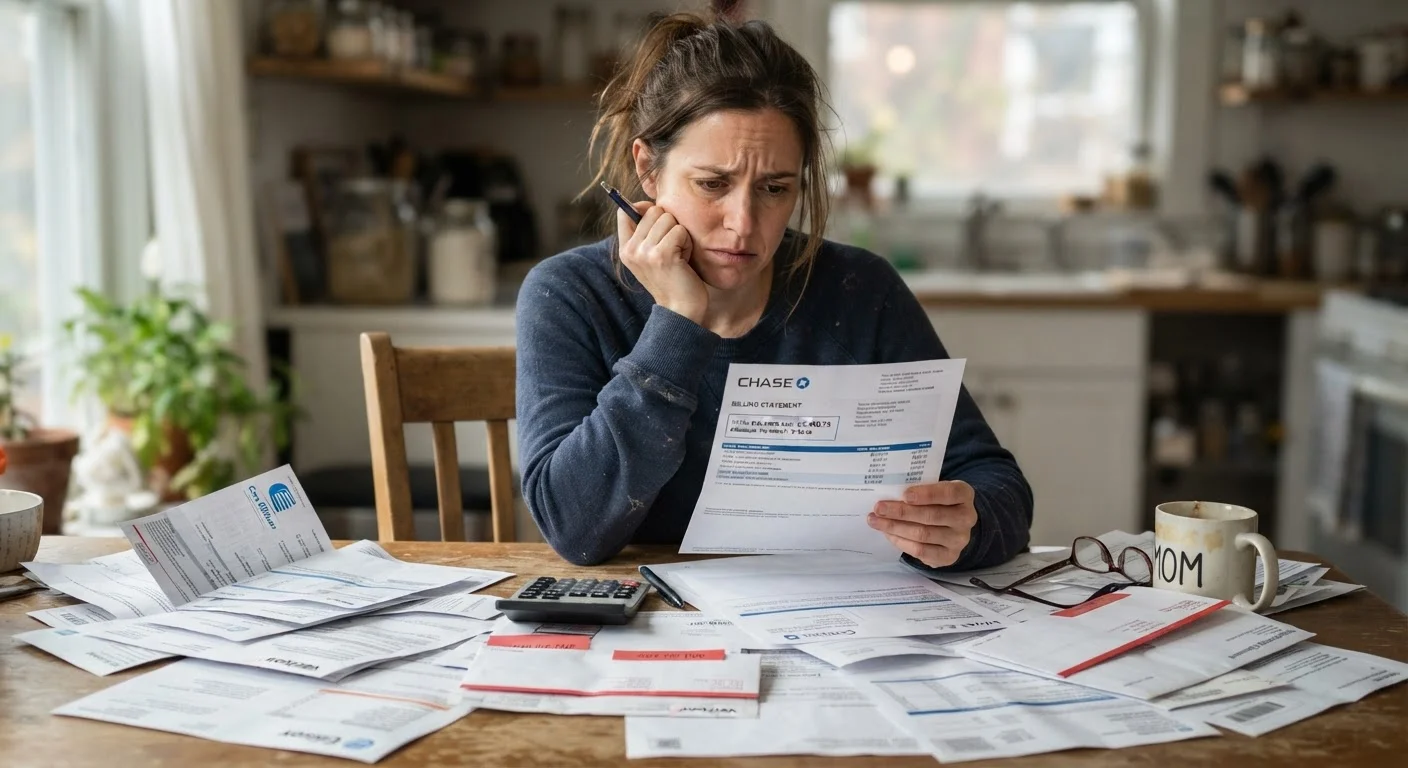
Photo credit: AdvisorHQ.net | Informative Website
In this article
Minimum payments, compounding interest, and fee structures can work against you. Here's where first-time borrowers often go wrong.
Key Takeaways
- Paying only the minimum due each month can keep you in debt for years while interest accumulates.
- Compounding interest means your balance can grow faster than your payments reduce it.
- Fees for late payments, balance transfers, and cash advances can silently inflate your debt.
- Borrowing without understanding your APR leaves you unable to calculate the true cost of a loan.
- Opening multiple credit accounts in a short period can signal risk and raise borrowing costs.
The Gap Between Making Payments and Reducing Debt
One of the most disorienting moments in a borrower's financial life is realizing their balance hasn't moved - or has actually grown - despite months of on-time payments. This isn't a glitch or an error. It's often the predictable result of how debt is structured, combined with decisions made without a full picture of how interest and fees work.
If you're navigating borrowing for the first time, understanding where things go wrong is as important as knowing what to do right. Our complete starting point for first-time borrowers covers the foundational concepts - this article focuses on the specific mistakes that cause debt to deepen even when borrowers believe they're keeping up.
Debt Can Grow Even When You Pay
If your monthly interest charge exceeds your minimum payment, your balance will actually increase - not decrease - despite you making a payment on time. This is called negative amortization and it can trap borrowers in a cycle that feels impossible to escape. Always check whether your payment covers at least the full interest charge each billing period.
The mistakes below aren't signs of carelessness. They're the result of systems that aren't always transparent and financial concepts that aren't widely taught. Recognizing them is the starting point for changing outcomes.
Common Mistakes That Let Debt Compound Against You
Paying only the minimum balance each month and assuming the debt is being managed responsibly.
Why it happens: Credit card statements are required to show a minimum payment, and that number feels like a clear target to hit. First-time borrowers often interpret meeting the minimum as financial responsibility.
Misunderstanding how compound interest works and underestimating how fast a balance grows.
Why it happens: Interest feels abstract until it appears on a statement. Many people think of it as a flat fee rather than a percentage applied to a growing balance.
Ignoring the APR and focusing only on the monthly payment when evaluating a loan or card offer.
Why it happens: Lenders often advertise low monthly payments, which feel more tangible than an annual rate. Borrowers compare the payment to their budget rather than comparing the total cost of borrowing.
Making a late payment and not realizing the cascading consequences that follow.
Why it happens: People assume a single missed payment is a minor slip. In reality, late fees, penalty APRs, and credit score impacts can stack up quickly and change the cost of the debt significantly.
Opening several new credit accounts in a short window to access more available credit.
Why it happens: When money is tight, the logic of opening new accounts to manage cash flow feels reasonable. Borrowers may not realize each application triggers a hard inquiry that affects their credit profile.
Using a credit card for cash advances without understanding how differently they are priced.
Why it happens: The card works at an ATM, so borrowers assume the transaction functions similarly to a debit withdrawal. The fee structure and lack of grace period are rarely top of mind at the moment of need.
Each of these mistakes tends to compound the others. A borrower who pays only the minimum while also carrying a high APR they didn't fully evaluate is in a much harder position than someone dealing with just one of those factors. Building habits that keep debt manageable is the long-term counterweight to these patterns.
Cash Advances Carry Hidden Costs
Using a credit card to withdraw cash typically triggers a cash advance fee (often 3-5% of the amount) and a higher APR that begins accruing immediately - with no grace period. Many borrowers assume a credit card cash advance works like a debit card withdrawal. It does not, and the cost difference can be substantial over even a short period.
Understanding the difference between secured and unsecured credit also matters - the type of borrowing shapes the rates, risks, and terms you'll face before you ever make a payment.
This article is for general informational and educational purposes only and does not constitute personalised financial, legal, or investment advice. Consult a qualified financial professional for guidance specific to your situation.

Author
Finance Editorial Team
Finance Editorial Team is the collective byline for our editorial team and contributor network. Articles published under this byline or an editorial pen name are researched, written, and reviewed according to our editorial standards for clarity, consistency, and independence before publication.
View all articles →