
Secured vs. Unsecured Credit: What Changes for the Borrower
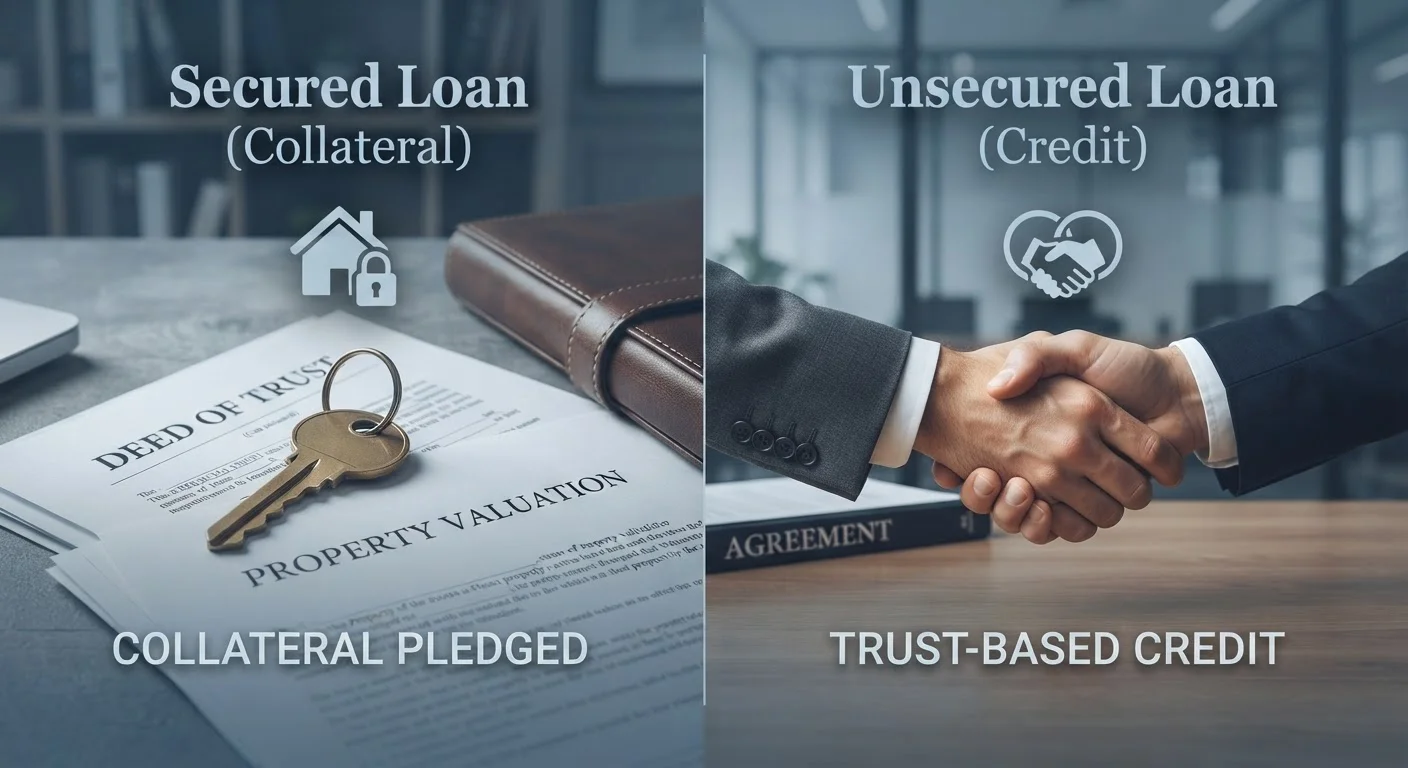
Photo credit: AdvisorHQ.net | Informative Website
In this article
Collateral-backed and signature-only loans work differently. See how security affects rates, approval odds, and your risk.
Key Takeaways
- Secured loans require collateral - an asset the lender can claim if you default.
- Unsecured loans rely on your credit history and income rather than pledged property.
- Secured credit typically carries lower interest rates because the lender's risk is reduced.
- Defaulting on a secured loan can result in losing the collateral, such as your home or car.
- Unsecured credit is generally harder to qualify for without a strong credit profile.
- Neither type is universally better - the right choice depends on your assets, credit, and repayment confidence.
The Core Difference: What Backs the Loan
When a lender offers you credit, they're taking on the risk that you might not repay. How they manage that risk determines whether a loan is secured or unsecured - and that distinction shapes almost every term you'll see on the offer.
A secured loan is backed by collateral - a specific asset you agree the lender can seize and sell if you stop making payments. A mortgage is secured by the home it finances. An auto loan is secured by the vehicle. A secured credit card may be backed by a cash deposit you make upfront.
An unsecured loan carries no such attachment. The lender relies solely on your creditworthiness - your credit score, income, and repayment history - to judge whether you'll pay. Most personal loans, student loans, and standard credit cards fall into this category.
If you're still building familiarity with the vocabulary around borrowing, the credit and debt glossary for first-time borrowers explains key terms like APR, principal, and hard inquiry in plain language.
| Criterion | Secured Credit | Unsecured Credit |
|---|---|---|
| Collateral required | Yes - asset pledged to lender | No - creditworthiness only |
| Typical interest rate | Generally lower | Generally higher |
| Approval with limited credit | More accessible | More difficult |
| Risk of asset loss on default | Yes - lender can seize collateral | No direct asset seizure |
| Common examples | Mortgage, auto loan, secured card | Personal loan, student loan, credit card |
| Loan amounts | Often larger | Often smaller or capped |
How Security Affects Rates, Approval, and Risk
The presence or absence of collateral ripples through every aspect of a loan offer.
Interest Rates
Because secured lenders have a fallback - they can recoup losses by selling the collateral - they typically charge lower interest rates (APR, or annual percentage rate) than unsecured lenders. Unsecured lenders price in the higher risk of lending without a safety net, which is why personal loan rates can run significantly above mortgage or auto loan rates.
Approval Odds
Secured loans can be accessible even to borrowers with limited or imperfect credit, because the collateral reduces the lender's exposure. Unsecured credit approval leans heavily on your credit score and debt-to-income ratio. Without strong numbers, qualification becomes harder or the terms less favorable.
Borrower Risk
This is where the distinction matters most. With an unsecured loan, defaulting damages your credit score and can trigger collections or a lawsuit - serious consequences, but not an immediate loss of property. With a secured loan, default can mean losing the collateral itself. Missing mortgage payments can lead to foreclosure; missing auto loan payments can result in repossession. The lower rate comes at the cost of higher personal stakes.
~6-7%
Average new car loan APR (recent US data)
Federal Reserve consumer credit data shows secured auto loan rates are substantially lower than typical unsecured personal loan rates, which frequently exceed 10-12% for borrowers with average credit.
1 in 5
Americans with no mainstream credit file
The Consumer Financial Protection Bureau has estimated roughly 45 million adults are credit invisible or have unscorable files, making unsecured credit harder to access for a significant portion of the population.
Understanding how your payments are structured - and what happens when minimum payments aren't enough - is worth reviewing. Why borrowers end up deeper in debt despite making payments explains how interest compounding and fee structures can work against you.
Choosing Between Secured and Unsecured Credit
The decision isn't about which type is objectively better - it's about which fits your situation.
If you own a qualifying asset, have confidence in your ability to repay, and want to minimize the cost of borrowing, secured credit may offer more favorable terms. If you want to avoid tying a specific asset to a debt obligation, unsecured credit provides that flexibility - usually at a higher cost.
For borrowers just starting out, a secured credit card (backed by a cash deposit) can be a practical entry point for building credit without taking on significant debt. Once a credit history is established, transitioning to unsecured products becomes more straightforward.
Your Credit Score Affects Both Paths
Whether you pursue secured or unsecured credit, your credit score still influences the specific rate and terms you're offered. Even with collateral, a lower score can mean a higher APR than advertised. Monitoring your credit report regularly - available free from each of the three major bureaus annually - helps you understand where you stand before applying. Credit utilization is one factor that quietly affects your score and is worth understanding before you apply.
Before committing to either type, it's worth stepping back to evaluate the full picture. The pre-borrowing checklist can help you verify loan terms, understand total cost, and assess your financial readiness before you sign. If this is your first time navigating a borrowing decision, the complete starting point for first-time borrowers offers grounding in the broader concepts you'll encounter.
This article is for general informational and educational purposes only and does not constitute personalized financial or legal advice. Consult a licensed financial professional before making borrowing decisions based on your individual circumstances.

Author
Finance Editorial Team
Finance Editorial Team is the collective byline for our editorial team and contributor network. Articles published under this byline or an editorial pen name are researched, written, and reviewed according to our editorial standards for clarity, consistency, and independence before publication.
View all articles →