
Hyaluronic Acid: Hydration Powerhouse or Overhyped Ingredient?
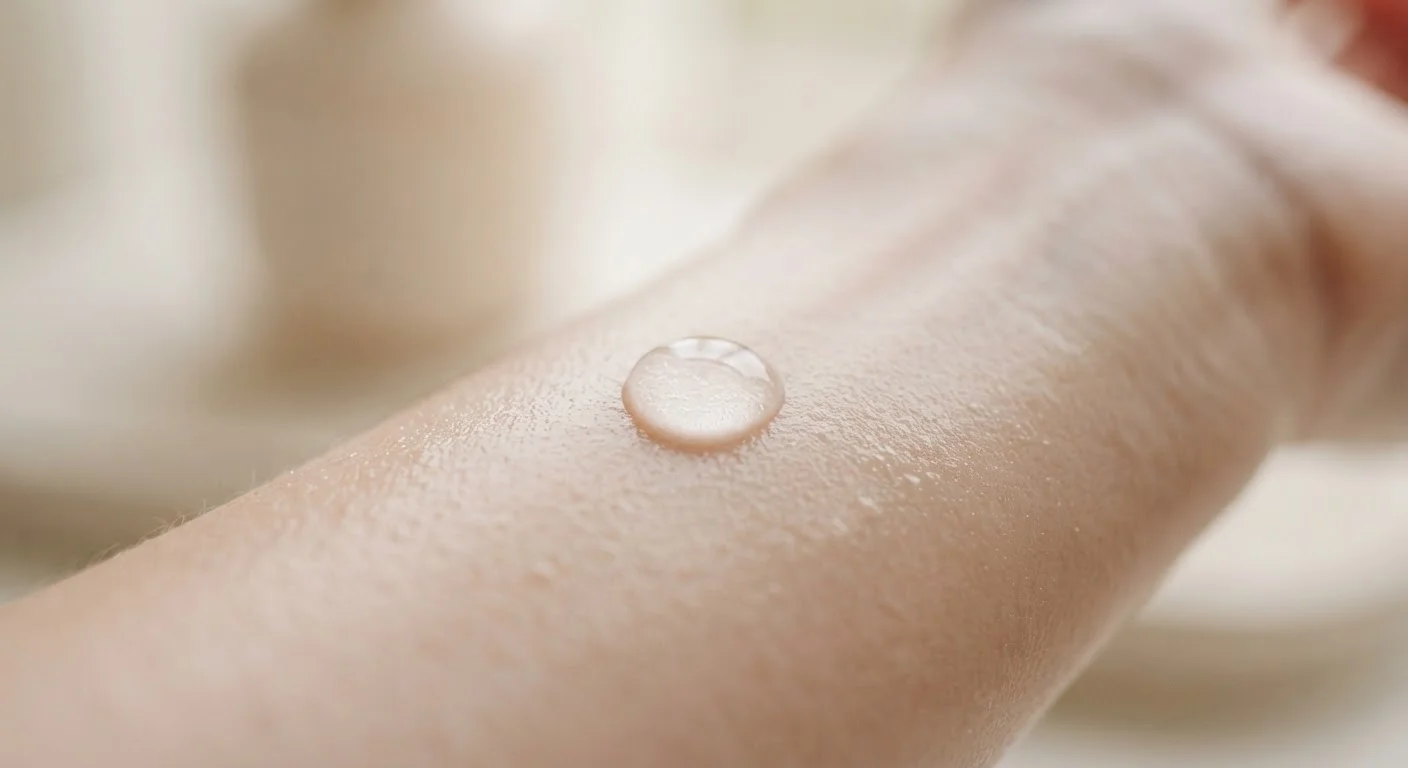
Photo credit: AdvisorHQ.net | Informative Website
In this article
Hyaluronic acid is in nearly every moisturizer, but it's not a cure-all. A balanced look at what it genuinely delivers and when it falls short.
Key Takeaways
- Hyaluronic acid is a naturally occurring molecule that helps skin retain moisture.
- It works best when applied to damp skin in a humid environment.
- Different molecular weights penetrate the skin to varying depths, affecting results.
- It hydrates but does not repair the skin barrier or replace other essential skincare steps.
- Most skin types tolerate hyaluronic acid well, though misuse can backfire in dry climates.
Proven humectant with strong scientific backing
Hyaluronic acid's water-binding properties are well established in peer-reviewed research, making it one of the more evidence-supported skincare ingredients available without a prescription.
Suitable for virtually all skin types
Because HA is a molecule the body naturally produces, it is generally non-irritating and well tolerated by oily, dry, combination, and sensitive skin alike.
Delivers visible plumping and smoothing effects
Consistent use can temporarily reduce the appearance of fine lines by improving surface hydration, giving skin a fuller, more supple look.
Lightweight texture works in layered routines
HA serums typically have a thin, non-greasy consistency that sits comfortably beneath sunscreen, makeup, or heavier moisturizers without pilling or heaviness.
Compatible with most other skincare actives
Unlike some potent ingredients such as retinoids or acids, HA generally does not conflict with other actives and can be layered to help offset dryness from stronger treatments.
Can draw moisture out of skin in dry climates
Without adequate ambient humidity or an occlusive sealant, surface HA may pull water from the dermis rather than the air, paradoxically worsening dryness in arid conditions.
Does not repair or rebuild the skin barrier
HA is a humectant, not an emollient or occlusive. It cannot replenish the lipid structures that form the moisture barrier - a common misunderstanding that leads to over-reliance on HA alone.
Results are temporary and surface-level
Topically applied HA does not permanently increase the skin's own HA production; hydration effects last only while the product is in active use.
Molecular weight and concentration vary widely
Not all HA products are created equal - low-quality formulations may use molecular sizes too large to offer meaningful skin penetration, making ingredient transparency and formulation quality important.
Often overpromised in marketing language
HA is frequently positioned as a near-miraculous anti-aging solution, a framing that exceeds what the science supports for topical application alone.
What Hyaluronic Acid Actually Is
Hyaluronic acid (HA) is a naturally occurring polysaccharide - a type of sugar molecule - found in the skin, connective tissue, and eyes. Its defining characteristic is an exceptional capacity to attract and hold water molecules: a single gram of HA can bind up to six liters of water, according to published biochemistry literature. This property makes it a logical candidate for topical skincare.
In healthy skin, HA is produced continuously and plays a central role in keeping the extracellular matrix hydrated and resilient. Levels naturally decline with age, UV exposure, and environmental stress, which is one reason skin can appear drier and less plump over time. Topical formulations attempt to supplement this loss - though how effectively they do so depends significantly on molecular size and formulation.
Understanding the science behind your skin's moisture barrier is essential context here: HA is a humectant, meaning it draws moisture, but it does not itself repair the lipid-based barrier that seals hydration in.
The Genuine Benefits of Hyaluronic Acid
When formulated and used correctly, HA offers several well-documented advantages.
Proven humectant with strong scientific backing
Hyaluronic acid's water-binding properties are well established in peer-reviewed research, making it one of the more evidence-supported skincare ingredients available without a prescription.
Suitable for virtually all skin types
Because HA is a molecule the body naturally produces, it is generally non-irritating and well tolerated by oily, dry, combination, and sensitive skin alike.
Delivers visible plumping and smoothing effects
Consistent use can temporarily reduce the appearance of fine lines by improving surface hydration, giving skin a fuller, more supple look.
Lightweight texture works in layered routines
HA serums typically have a thin, non-greasy consistency that sits comfortably beneath sunscreen, makeup, or heavier moisturizers without pilling or heaviness.
Compatible with most other skincare actives
Unlike some potent ingredients such as retinoids or acids, HA generally does not conflict with other actives and can be layered to help offset dryness from stronger treatments.
6 L
Water retained per gram of hyaluronic acid
Published biochemistry research describes HA's extraordinary water-binding capacity, which underpins its use as a humectant ingredient.
50%
Estimated decline in skin HA by midlife
Research suggests skin HA content can decrease substantially with age, contributing to reduced elasticity and surface dryness.
One detail that matters considerably is molecular weight. Lower-weight HA molecules penetrate slightly deeper into the epidermis, while higher-weight molecules remain at the surface and create a moisture-retaining film. Many modern serums combine multiple weights to address both layers simultaneously - a formulation strategy backed by clinical literature.
Where Hyaluronic Acid Falls Short
Despite its broad popularity, HA is not without real limitations - and some common misconceptions can undermine its effectiveness.
Can draw moisture out of skin in dry climates
Without adequate ambient humidity or an occlusive sealant, surface HA may pull water from the dermis rather than the air, paradoxically worsening dryness in arid conditions.
Does not repair or rebuild the skin barrier
HA is a humectant, not an emollient or occlusive. It cannot replenish the lipid structures that form the moisture barrier - a common misunderstanding that leads to over-reliance on HA alone.
Results are temporary and surface-level
Topically applied HA does not permanently increase the skin's own HA production; hydration effects last only while the product is in active use.
Molecular weight and concentration vary widely
Not all HA products are created equal - low-quality formulations may use molecular sizes too large to offer meaningful skin penetration, making ingredient transparency and formulation quality important.
Often overpromised in marketing language
HA is frequently positioned as a near-miraculous anti-aging solution, a framing that exceeds what the science supports for topical application alone.
The most frequently overlooked issue is climate. In very low-humidity environments, surface-applied HA can actually draw moisture out of the deeper skin layers rather than from the surrounding air, potentially leaving skin drier. This is why dermatologists often recommend sealing HA with an occlusive or emollient moisturizer immediately after application.
How to Use It for Best Results
Application method has an outsized effect on outcomes. The standard guidance among dermatologists is to apply HA to slightly damp - not dry - skin, then layer a moisturizer on top within 60 seconds to trap the hydration. This two-step approach addresses HA's core limitation as a humectant alone.
Damp Skin Application Is Key
Apply your hyaluronic acid serum to skin that is still slightly damp after cleansing or misting - not fully dry. Follow immediately with a moisturizer containing emollients or occlusives such as ceramides, squalane, or shea butter. This sequence gives HA water to bind and seals it in before evaporation occurs. Skipping the moisturizer step is the most common reason users report disappointing results.
Patch testing is advisable for anyone with reactive or sensitized skin before widespread use, though HA is generally considered one of the more tolerable active ingredients available. As always, consult a qualified dermatologist if you have a skin condition, are pregnant, or are managing a chronic skin concern before introducing new actives into your routine.
This article is for general informational purposes only and does not constitute medical or dermatological advice. Consult a licensed healthcare professional for guidance specific to your skin health needs.

Author
Health & Beauty Editorial Team
Health & Beauty Editorial Team is the collective byline for our editorial team and contributor network. Articles published under this byline or an editorial pen name are researched, written, and reviewed according to our editorial standards for clarity, consistency, and independence before publication.
View all articles →