
The Science Behind Your Skin's Moisture Barrier
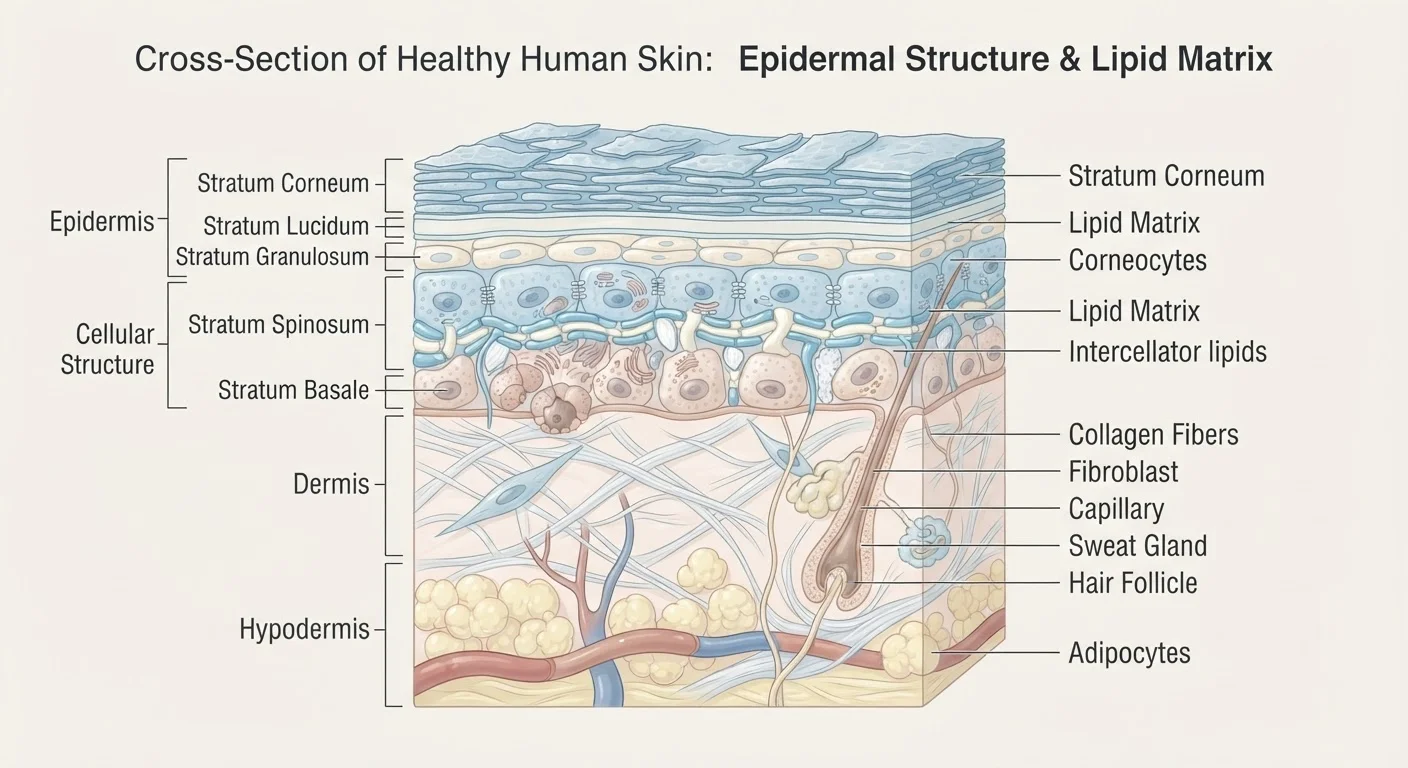
Photo credit: AdvisorHQ.net | Informative Website
In this article
Learn what the skin moisture barrier actually is, why it breaks down, and what daily habits help keep it intact.
Key Takeaways
- The moisture barrier is the outermost skin layer, made of cells and lipid-rich 'mortar' that locks in water.
- A compromised barrier lets moisture escape and allows irritants to penetrate, triggering dryness, redness, and sensitivity.
- Over-cleansing, harsh ingredients, and UV exposure are among the most common barrier disruptors.
- Gentle cleansers, ceramide-containing moisturizers, and consistent SPF use support barrier repair.
- Barrier recovery takes time - typically days to weeks - and results vary by individual skin type and condition.
- Consult a dermatologist if persistent irritation, flaking, or inflammation doesn't improve with routine adjustments.
What the Moisture Barrier Actually Does
Your skin's outermost layer - the stratum corneum - performs two critical jobs simultaneously: it keeps water inside your skin and keeps harmful substances out. Scientists measure barrier function using a metric called transepidermal water loss (TEWL), which tracks how much moisture evaporates through skin. A healthy barrier keeps TEWL low, which translates to skin that stays plump, resilient, and calm.
The structure responsible for this is sometimes called the "brick and mortar" model. Flattened, protein-rich skin cells (corneocytes) stack together like bricks, surrounded by layers of lipids - primarily ceramides, cholesterol, and free fatty acids - that act as the mortar. This lipid matrix is not just a passive sealant; it's dynamic, constantly being replenished through a cellular process called lipid synthesis.
For a deeper look at how all the skin's protective layers work together, see our full breakdown of skin barrier science.
Why the Barrier Breaks Down
Barrier disruption is far more common than most people realize, and many everyday habits contribute to it. The most frequent culprits include:
- Over-cleansing or using harsh soaps - Surfactants that strip natural oils disrupt the lipid matrix, especially with repeated use.
- Low humidity environments - Dry indoor air, particularly from heating and air conditioning, accelerates moisture loss.
- UV exposure - Ultraviolet radiation degrades lipids in the barrier and triggers inflammatory pathways that impair repair. Sunscreen use is one of the most evidence-supported protective habits.
- Overuse of exfoliating acids or retinoids - These effective ingredients require careful introduction; used too aggressively, they thin and sensitize the barrier.
- Genetic factors - Conditions like eczema (atopic dermatitis) are associated with mutations in the gene encoding filaggrin, a protein essential to barrier structure.
~50%
Ceramide share of skin barrier lipids
Research on stratum corneum composition consistently shows ceramides make up roughly half the intercellular lipid matrix by weight.
Up to 30x
More water loss through compromised barrier
Studies measuring transepidermal water loss show severely disrupted skin can lose water at rates many times higher than intact barrier skin.
~2 weeks
Typical barrier repair window for mild damage
Dermatology literature generally estimates mild barrier disruption takes around one to two weeks to recover with appropriate care, though this varies by individual.
Age also plays a role - ceramide production naturally declines over time, which is why mature skin tends to be drier and more reactive than younger skin.
Habits That Support a Healthy Barrier
Rebuilding or maintaining the moisture barrier centers on two principles: avoiding unnecessary disruption and supplying the raw materials the barrier needs to function.
Apply Moisturizer on Damp Skin
The window right after cleansing - when skin is still slightly damp - is the most effective time to apply a moisturizer. Water on the skin surface helps humectant ingredients like glycerin draw moisture in, while an emollient or occlusive layer seals it there. Waiting until skin feels tight or dry means some of that surface moisture has already evaporated.
Cleanse gently. Choose a low-pH, fragrance-free cleanser and limit washing to twice daily for the face. Lukewarm water is preferable to hot, which melts lipids from the skin surface.
Moisturize strategically. Products containing ceramides, glycerin, and fatty acids work with the barrier's natural chemistry. Applying moisturizer within a few minutes of cleansing - while skin is slightly damp - helps trap water before it evaporates. Hyaluronic acid is a popular hydrating ingredient, but works best when paired with an occlusive or emollient to seal moisture in.
Introduce actives gradually. If you use exfoliating acids, vitamin C, or retinoids, start at lower concentrations and frequency, then adjust based on how your skin responds. Learn to recognize the signs that your routine may be causing more harm than good.
Building a routine suited to your specific skin type matters too - explore how to tailor your routine to oily, dry, or combination skin.
The Barrier Beyond the Face
The moisture barrier isn't exclusive to facial skin - every inch of your body's surface operates by the same principles. Areas subject to frequent washing or friction, like the hands, are particularly vulnerable. Protecting hand skin year-round follows the same logic: gentle cleansing, prompt moisturizing, and limiting exposure to harsh soaps or sanitizers when possible.
Understanding your barrier as a whole-body system - not just a facial skincare concern - helps build more consistent and effective daily habits. For a broader foundation, the Skincare Basics hub covers core concepts and routines across skin types and concerns.
This article is for general informational purposes only and is not a substitute for professional medical or dermatological advice. If you experience persistent or severe skin symptoms, consult a qualified healthcare provider.
Frequently Asked Questions

Author
Health & Beauty Editorial Team
Health & Beauty Editorial Team is the collective byline for our editorial team and contributor network. Articles published under this byline or an editorial pen name are researched, written, and reviewed according to our editorial standards for clarity, consistency, and independence before publication.
View all articles →