
Signs Your Skincare Routine Is Damaging Rather Than Helping
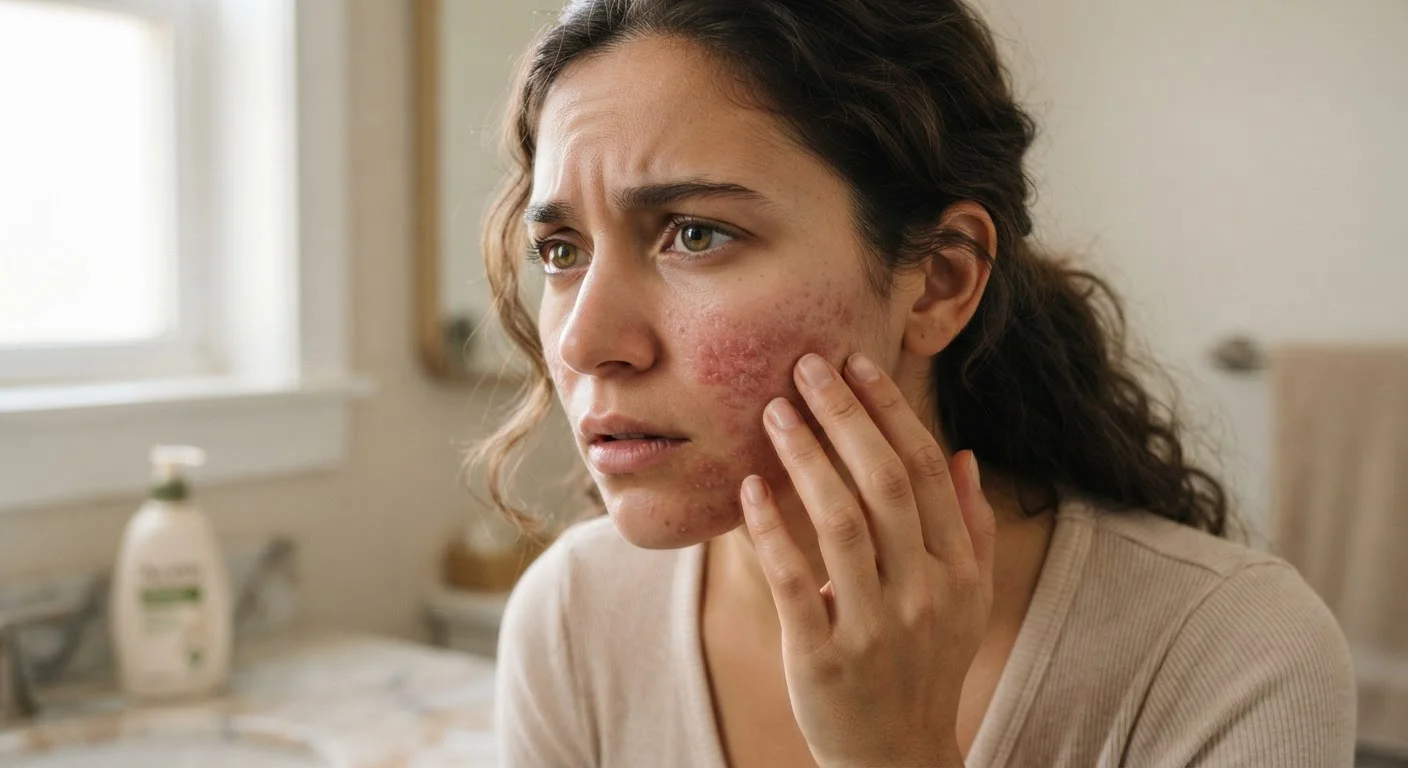
Photo credit: AdvisorHQ.net | Informative Website
In this article
Redness, tightness, and breakouts aren't always a sign to push through. Learn how to recognize when your routine is working against your skin.
Key Takeaways
- Persistent redness, tightness, and flaking are common signs your routine is over-stressing your skin.
- More products and more active ingredients do not automatically mean better results.
- Skin purging and irritation are two different responses - distinguishing them matters.
- Restoring a damaged skin barrier usually requires simplifying your routine, not adding to it.
- Always consult a dermatologist if skin symptoms persist, worsen, or cause significant discomfort.
When Trying Harder Makes Things Worse
It's a frustrating paradox: the more effort you put into your skincare, the worse your skin can look and feel. Redness that won't fade, a tight, uncomfortable feeling after cleansing, or a sudden surge in breakouts are easy to misread as signs that you need to do more - add another serum, exfoliate more frequently, or switch to a stronger formula. In reality, these symptoms often signal the opposite.
Understanding why your skin is reacting poorly is the first step toward correcting course. Skin is not a passive surface; it has its own carefully regulated ecosystem. Disrupting it - even with well-intentioned products - can create a cycle of irritation that's difficult to break without stepping back and reassessing.
This is general skin health information and is not a substitute for personalized advice from a licensed dermatologist or healthcare provider.
Key Warning Signs to Watch For
Recognizing the difference between skin that is adjusting and skin that is genuinely distressed takes some practice. The following signals are worth taking seriously:
- Persistent redness or flushing that doesn't resolve within a few hours of applying products.
- Tightness or stinging immediately after cleansing - healthy skin should feel comfortable, not stripped.
- Flaking or peeling that worsens despite moisturizing, often a sign of barrier disruption rather than dryness alone.
- Increased breakouts in areas where you don't normally experience them, or breakouts that spread and don't resolve within the typical timeline.
- Burning or stinging when applying products that previously felt neutral - this often means the barrier has become compromised.
- Oiliness spikes on skin that's usually balanced, a common response when the barrier is stripped and the skin overproduces sebum to compensate.
Purging vs. Irritation: Know the Difference
Skin purging - a temporary increase in breakouts driven by ingredients that accelerate cell turnover - is real, but it's commonly misdiagnosed. Purging typically resolves within four to six weeks, stays in your usual breakout zones, and is associated with specific actives like retinoids and AHAs. Irritation caused by a product incompatibility tends to spread, persist, and be accompanied by redness, burning, or stinging. When in doubt, stopping the suspected product is the safest step.
Not every new symptom points to the same problem. Reactions driven by a specific ingredient allergy look different from those caused by over-exfoliation or layering too many actives. Tracking which products were introduced and when can help identify the root cause.
Common Routine Mistakes That Cause Damage
Several routine habits are consistently linked to barrier disruption and unnecessary irritation:
Over-exfoliating
Chemical exfoliants - including AHAs, BHAs, and retinoids - are among the most effective tools in skincare, but their benefit is dose-dependent. Using them daily, stacking multiple exfoliating products, or introducing them too quickly overwhelms the skin's renewal cycle. Dermatologists generally recommend starting any exfoliating active at a low frequency and increasing gradually based on tolerance.
Using too many actives at once
Layering vitamin C, retinol, exfoliating acids, and benzoyl peroxide simultaneously creates unpredictable interactions and stresses the skin barrier. Some combinations actively counteract each other; others simply raise the risk of irritation without adding benefit.
Skipping patch tests
Applying a new product all over your face without testing it first is one of the most common ways people trigger unexpected reactions. The right patch-testing method can catch sensitivities before they spread.
Mismatching products with your skin type
A routine built for oily skin applied to dry or sensitive skin - or vice versa - will consistently underperform or cause harm. Building a routine matched to your skin type is a foundational step most people skip.
When in Doubt, Simplify First
If you're experiencing multiple skin concerns simultaneously, resist the urge to address each one with a separate product. A stripped-back routine of cleanser, moisturizer, and SPF gives your skin the chance to stabilize and makes it much easier to identify what's actually causing the problem.
How to Reset and Rebuild
If your skin is showing signs of damage, simplification is the most evidence-supported path to recovery. Temporarily reduce your routine to three essentials: a gentle, low-pH cleanser; a fragrance-free, barrier-supportive moisturizer; and a broad-spectrum SPF during the day. Avoid active ingredients - acids, retinoids, and vitamin C - for at least one to two weeks while your barrier stabilizes.
When you're ready to reintroduce products, do so one at a time with several days between each addition. This makes it far easier to identify what your skin can and cannot tolerate. Frequency matters as much as formula - many people find that using a potent active two or three times per week delivers similar benefits to daily use, with significantly less irritation.
The same principle that applies to overtraining in fitness applies here: recovery is part of the process. Just as pushing too hard in workouts leads to setbacks, relentlessly assaulting your skin barrier without rest periods undermines long-term results.
This article is for general informational purposes only and does not constitute medical or dermatological advice. If skin symptoms are severe, persistent, or causing you significant concern, please consult a qualified dermatologist or healthcare professional.
Frequently Asked Questions

Author
Health & Beauty Editorial Team
Health & Beauty Editorial Team is the collective byline for our editorial team and contributor network. Articles published under this byline or an editorial pen name are researched, written, and reviewed according to our editorial standards for clarity, consistency, and independence before publication.
View all articles →