
Patch Testing a New Skincare Product the Right Way
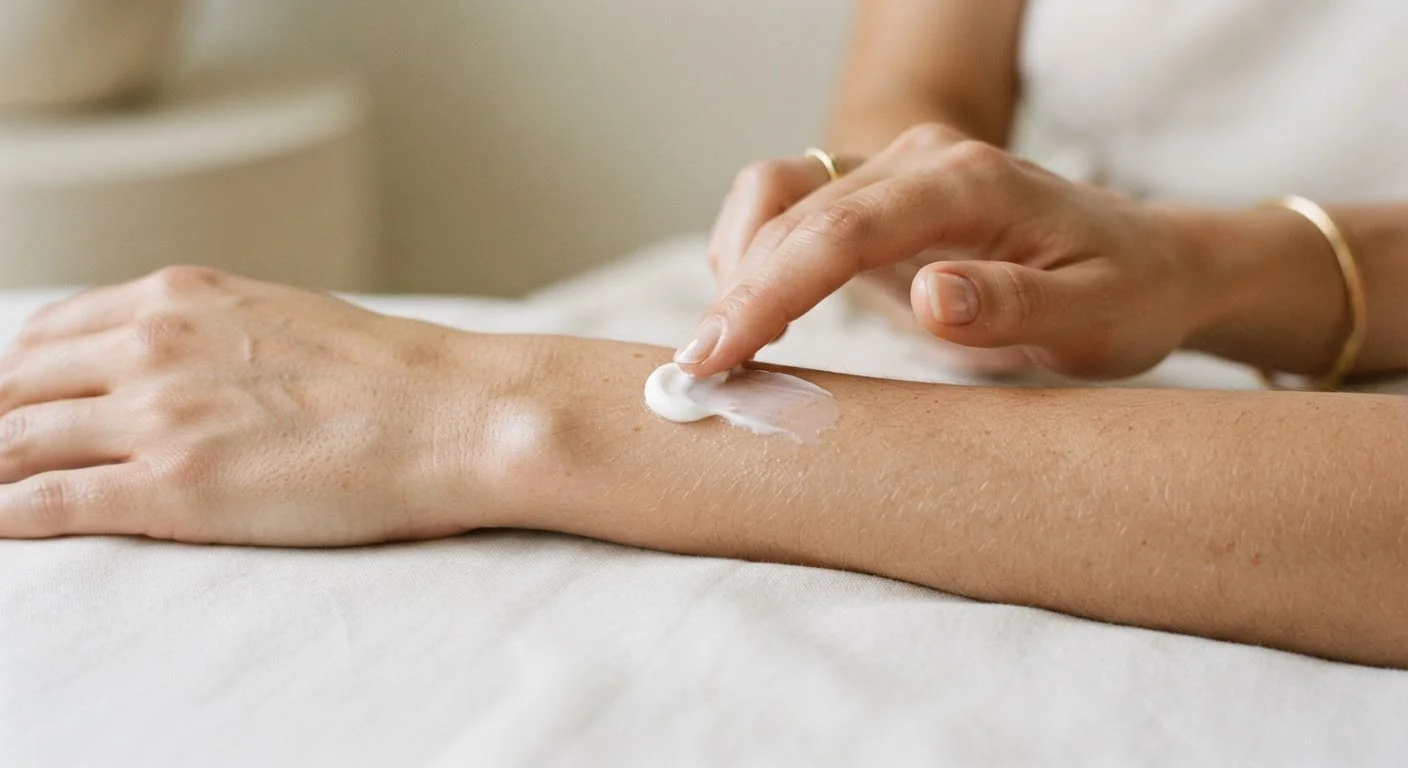
Photo credit: AdvisorHQ.net | Informative Website
In this article
Skipping patch tests is one of the most common reasons people suffer unexpected skin reactions. Here's the correct method and what to watch for.
Key Takeaways
- Patch testing before full use significantly reduces the risk of unexpected allergic or irritant reactions.
- The inner forearm or behind the ear are the most reliable sites for testing new products.
- A standard patch test requires 24 to 48 hours of observation before drawing conclusions.
- Active skin conditions, broken skin, or recent sun exposure can skew patch test results.
- Redness, itching, swelling, or hives during a patch test signal you should avoid that product.
Why Patch Testing Is a Non-Negotiable Step
Introducing a new skincare product without a patch test is a bit like eating a food you've never tried at a formal dinner - if a reaction happens, you're in an inconvenient situation with no easy exit. Patch testing is a simple, low-effort method that gives your skin the chance to signal incompatibility before you apply a product to your entire face or body.
Skin reactions to cosmetics fall into two broad categories: allergic contact dermatitis, an immune-mediated response that can appear hours or even days after exposure, and irritant contact dermatitis, a more immediate, localized inflammation triggered by a chemical disrupting the skin barrier. Both are common and both are largely avoidable with advance testing. If you want to understand which ingredients are most likely to cause issues, reading ingredient lists carefully is a worthwhile companion habit.
This article is for general informational purposes only and is not a substitute for medical advice. If you experience a severe skin reaction, consult a qualified healthcare professional promptly.
How to Perform a Patch Test Correctly
The method matters as much as the intention. Follow these evidence-informed steps to get a reliable result:
Choose a consistent, low-risk test site such as the inner forearm or behind the ear
These areas have skin that is sensitive enough to reflect a likely facial reaction but are easily monitored and less exposed to environmental variables. Using the same site every time makes it easier to compare results across different products.
Apply the product exactly as directed - don't dilute or modify it for the test
Testing a watered-down version may suppress a reaction that would appear at full strength during normal use. The goal is to simulate real-world application conditions as closely as possible.
Observe the test site at 24 hours and again at 48 hours
Irritant reactions can appear within hours, but allergic contact dermatitis may take 24 to 72 hours to develop. A single check at 24 hours misses delayed responses that are just as clinically meaningful.
Test only one new product at a time
Introducing multiple products simultaneously makes it impossible to identify which one caused a reaction. Isolating variables is the core logic of any reliable test.
Avoid testing on compromised, sunburned, or actively broken skin
Damaged skin has a disrupted barrier and an altered immune response, which can produce false positives or unpredictable readings. Results from compromised skin don't reliably reflect how healthy skin will respond.
Once you've confirmed no reaction at the test site after 48 hours, you can reasonably proceed - starting with a limited area before full-face application is still a sensible intermediate step, especially for potent actives like retinoids or exfoliating acids.
Reading Your Results and What to Do Next
After the observation window, inspect the test site in good lighting. A reaction isn't always dramatic - look for subtle changes alongside obvious ones.
If no reaction appears, that's a reassuring sign - but not an absolute guarantee of long-term tolerance. Some sensitization builds gradually over repeated use. Monitor your skin during the first few weeks of regular use and scale back if new symptoms emerge. For a fuller picture of how products interact on your skin, see our guide on signs your skincare routine is damaging rather than helping.
If you're building out a full regimen and wondering how products fit together, building a routine suited to your skin type provides helpful structure. Patch testing each new addition as you build ensures you can isolate which product is responsible for any issue that arises.

Author
Health & Beauty Editorial Team
Health & Beauty Editorial Team is the collective byline for our editorial team and contributor network. Articles published under this byline or an editorial pen name are researched, written, and reviewed according to our editorial standards for clarity, consistency, and independence before publication.
View all articles →