
Your First Skincare Routine: A No-Overwhelm Starting Point
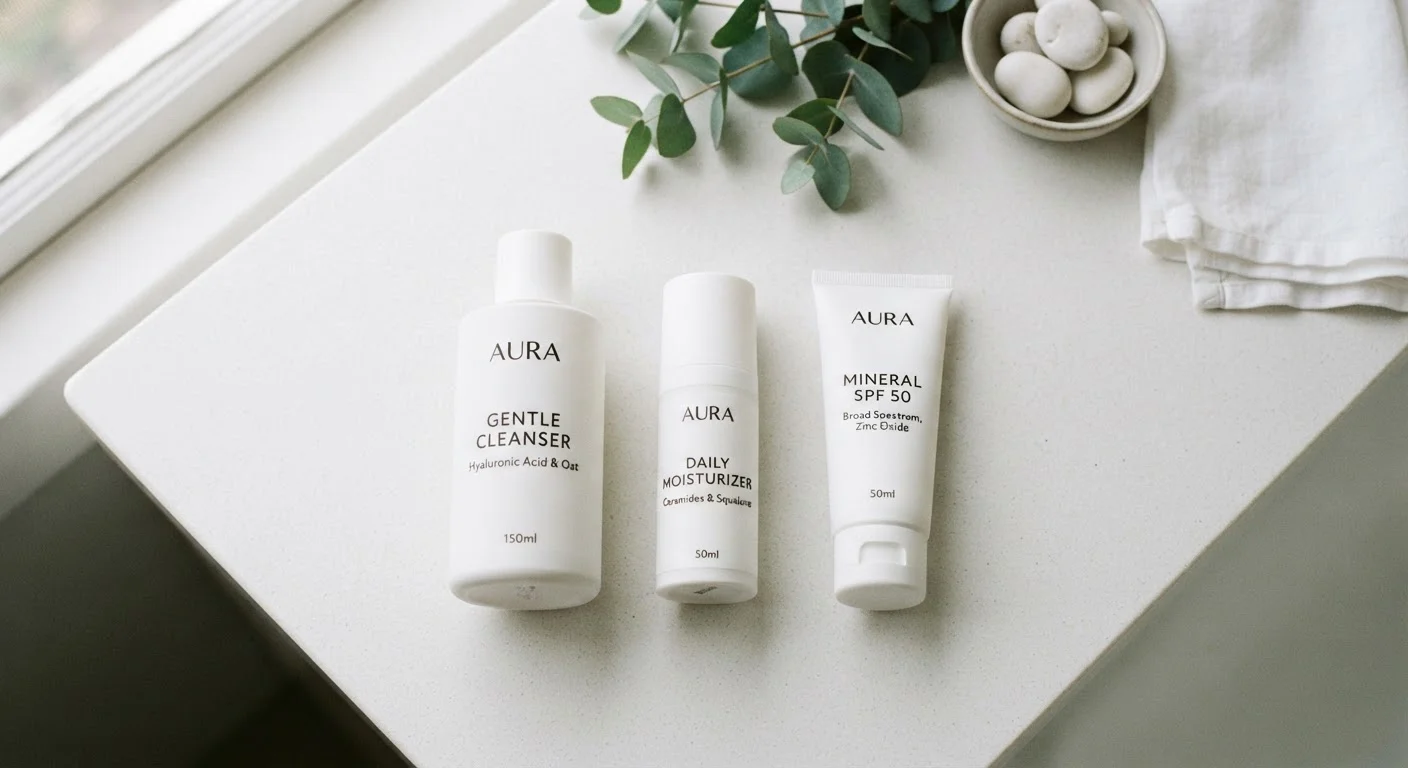
Photo credit: AdvisorHQ.net | Informative Website
In this article
If you've never had a skincare routine, this guide walks you through the essential steps, products, and realistic expectations from day one.
Key Takeaways
- A three-step routine - cleanse, moisturize, protect - covers the essentials for most beginners.
- Consistent daily use matters far more than the number of products you own.
- Knowing your skin type helps you choose formulas that work with your skin, not against it.
- Visible improvements from a new routine typically take four to six weeks to appear.
- Adding too many products at once makes it harder to identify what is or isn't working.
Why a Simple Routine Beats a Complex One
If you've ever opened a skincare article and immediately felt lost among serums, essences, and double-cleansing methods, you're not alone. The beauty industry tends to expand routines - but science supports a different starting point. Consistency with a few well-chosen steps produces better outcomes than sporadic use of a ten-product lineup.
Dermatologists consistently point out that skin barrier health - the skin's ability to retain moisture and defend against irritants - is the foundation of everything. Overloading the skin with new actives too quickly is one of the most common causes of irritation and breakouts in beginners. A simple routine gives your skin time to adapt and gives you clear data on what's working.
For a complementary perspective on structure, see our guide on building a simple skincare routine from scratch.
The simplest habit that sticks
Keep your skincare products on the bathroom counter where you'll see them. Out-of-sight products get skipped. A consistent two-minute routine done every day outperforms an elaborate one done occasionally. Start with what you'll actually do.
The Three Non-Negotiable Steps
Every effective beginner routine rests on three pillars:
- Cleansing: A gentle, pH-balanced cleanser removes dirt, excess oil, and environmental pollutants without stripping the skin's natural moisture barrier. Harsh soaps - including bar soap not formulated for the face - can disrupt the skin's acid mantle, leaving it prone to dryness or breakouts. Cleanse once in the morning and once at night.
- Moisturizing: A moisturizer seals in hydration and supports barrier function. Even oily skin types benefit from a lightweight, non-comedogenic moisturizer. Skipping this step often backfires - skin that feels stripped of oil compensates by producing more.
- Sun protection: Broad-spectrum SPF 30 or higher every morning is the single most evidence-backed step for preventing premature skin aging and reducing skin cancer risk. Sunscreen is not optional. It is the step most beginners skip and dermatologists most frequently emphasize.
For a structured morning walkthrough, our morning skincare checklist covers each step in order.
Skin barrier
The outermost layer of skin that keeps moisture in and irritants out. A healthy barrier is the goal of most basic skincare steps.
Broad-spectrum SPF
Sunscreen that protects against both UVA rays (which cause aging) and UVB rays (which cause burning). A rating of SPF 30 or higher is generally recommended for daily use.
Non-comedogenic
A label indicating a product is formulated to avoid clogging pores. Useful for oily or acne-prone skin types when choosing moisturizers or makeup.
Acid mantle
A thin, slightly acidic film on the skin's surface that protects against bacteria and environmental damage. Harsh cleansers can disrupt it, leading to irritation.
Cell turnover
The natural process by which old skin cells shed and new ones rise to the surface - typically completing a full cycle every four to six weeks.
Understanding Your Skin Type
Skin type influences which formulas feel comfortable and perform well on your face. The five broad categories most used in skincare are: normal, oily, dry, combination, and sensitive. You don't need a professional assessment to identify yours - simple observation after cleansing tells you a lot.
- Oily skin looks shiny within an hour or two of cleansing and is prone to enlarged pores and breakouts. Lightweight, oil-free, or gel-based formulas tend to suit it.
- Dry skin feels tight or flaky, especially after washing. Richer, cream-based moisturizers with occlusive ingredients like petrolatum or shea butter help restore comfort.
- Combination skin has an oily T-zone (forehead, nose, chin) but drier cheeks. A balanced, medium-weight moisturizer works for most combination types.
- Sensitive skin reacts easily to fragrances, alcohol, or active ingredients. Fragrance-free, minimal-ingredient formulas reduce the risk of irritation.
Once you're comfortable with the basics, tailoring your routine to your skin type becomes a natural next step.
Setting Realistic Expectations
One of the most important things to understand before starting a routine is the skin's natural renewal cycle. Skin cells turn over roughly every four to six weeks, which means you need patience before judging whether something works. Starting a new routine and abandoning it after ten days because you don't see results is one of the most common beginner mistakes.
What you might notice earlier: reduced dryness or tightness (often within days of consistent moisturizing), and a calmer appearance if you've reduced the number of products irritating your skin. What takes longer: changes in texture, tone, pore appearance, or acne frequency. These require sustained, consistent effort.
Introducing one new product at a time - with at least one to two weeks between additions - is the only reliable way to know which product is helping or causing a reaction. Keep it slow and systematic.
This article is for general informational purposes only and does not constitute medical or dermatological advice. If you have a skin condition or persistent concerns, consult a board-certified dermatologist.
When to Consider Adding More
Once you've maintained your three-step routine consistently for six to eight weeks and your skin feels balanced, you may want to add targeted treatments. Common additions for beginners include:
- Exfoliation (chemical, using AHAs or BHAs) to address uneven texture or mild congestion - typically used once or twice a week, not daily.
- Vitamin C serums applied in the morning for antioxidant protection and brightness, layered before moisturizer.
- Retinoids for long-term support with texture and signs of aging - these require a slow introduction and are best discussed with a dermatologist if you're unsure about concentration or frequency.
Timing matters as much as product choice. Our article on morning vs. night skincare explains why daytime and nighttime routines serve different purposes and how to sequence each effectively.
For ongoing personal care guidance, explore our Personal Care hub - a resource covering everyday grooming, hygiene, and self-care practices.
Frequently Asked Questions

Author
Health & Beauty Editorial Team
Health & Beauty Editorial Team is the collective byline for our editorial team and contributor network. Articles published under this byline or an editorial pen name are researched, written, and reviewed according to our editorial standards for clarity, consistency, and independence before publication.
View all articles →