
Staying Safe in Unfamiliar Cities: Practical Habits That Actually Help
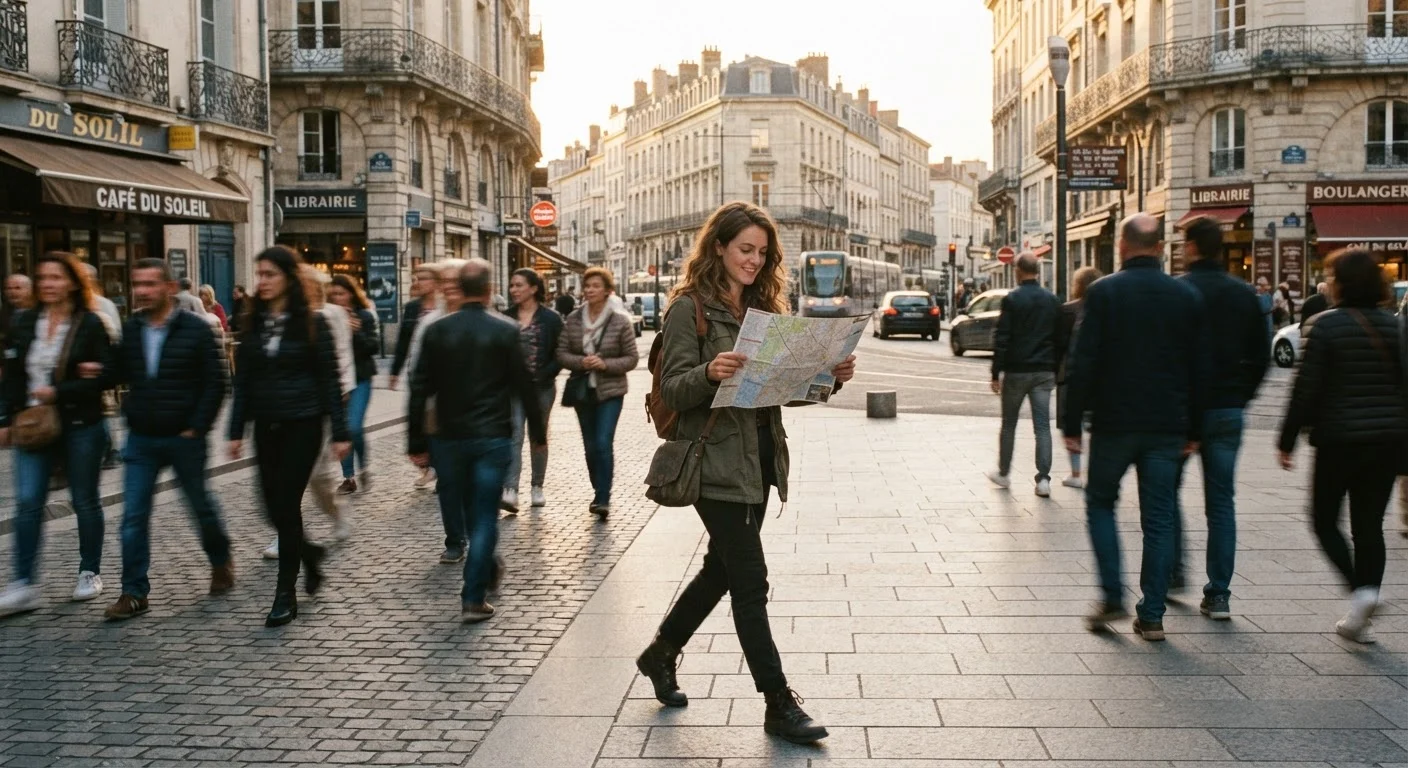
Photo credit: AdvisorHQ.net | Informative Website
In this article
Personal safety while traveling isn't about fear — it's about awareness and preparation. Here are the habits that experienced travelers rely on.
Key Takeaways
- Situational awareness - knowing your surroundings - is the single most effective safety habit.
- Splitting your cash and cards across multiple locations limits loss if something goes wrong.
- Pre-trip research on local norms and neighborhoods takes less than an hour and pays off daily.
- Keeping trusted contacts updated on your itinerary adds a meaningful safety net at no cost.
- A charged phone and offline maps dramatically reduce vulnerability in an unfamiliar place.
Why Urban Safety Is About Habits, Not Paranoia
Most travelers who get into trouble in unfamiliar cities don't lack common sense - they just haven't built consistent habits that keep them grounded when everything around them is new. The good news: personal safety while traveling is largely a skill, and skills can be practiced.
The goal isn't to move through cities in a state of anxiety. It's to stay oriented, make low-risk choices automatically, and know what to do if something unexpected happens. Think of it less as "being careful" and more as traveling with your eyes open.
For a broader foundation before you even leave home, see our guide to building a smarter travel itinerary - solid planning reduces on-the-ground stress considerably.
Research your destination's neighborhood layout and safety advisories before departure.
Arriving with a mental map of which areas are well-trafficked and which to approach cautiously means you make better decisions in real time rather than figuring it out under pressure. Official government travel advisories and recent traveler accounts together give you a layered picture no single source provides alone.
Keep a charged power bank and offline maps on your phone at all times.
A dead phone in an unfamiliar city removes your ability to navigate, call for help, or look up emergency contacts at exactly the moment you might need them. Offline maps ensure you can navigate even when data roaming is unavailable or unaffordable.
Distribute your cash, cards, and ID copies across at least two separate physical locations.
Concentrating all your financial resources in one wallet or bag means a single pickpocket or accidental loss wipes out your access to money and identification. Splitting resources limits each incident to a partial loss you can recover from.
Maintain situational awareness by limiting phone use and headphone use while walking in public.
Distracted walkers are more predictable, less aware of who is near them, and slower to respond to environmental cues - all of which increase vulnerability. Being visibly alert is itself a deterrent in most situations.
Share your daily itinerary with a trusted contact and check in at agreed intervals.
Having someone who knows your rough whereabouts creates an external safety net that can trigger action quickly if you go silent unexpectedly. This is especially valuable for solo travelers and in destinations with limited emergency infrastructure.
Act on early discomfort signals rather than waiting to see how a situation develops.
Experienced travelers across many destinations cite the instinct to stay polite or avoid seeming rude as one of the main reasons people don't exit uncomfortable situations early enough. Leaving a situation costs very little; staying too long can cost considerably more.
Before You Arrive: Do the 30-Minute Neighborhood Audit
One of the highest-return habits experienced travelers share is spending time before a trip learning the basic layout of their destination - not every street, but enough to recognize which neighborhoods are central and walkable, which areas attract tourist-targeting scams, and where local police stations or embassies are located.
Check your government's official travel advisory page for your destination country. U.S. travelers can use the State Department's travel.state.gov for country-level advisories. Local tourism boards and recent traveler forums often fill in neighborhood-level detail that formal advisories miss. If you're planning to rely heavily on public transit, our guide to navigating public transportation in a foreign city walks through how to orient yourself on unfamiliar metro and bus systems.
On the Ground: The Habits That Compound
Day-to-day safety in an unfamiliar city comes down to a cluster of small habits that individually seem minor but compound into real protection over the course of a trip.
Stay off your phone while walking. Heads-down navigation is one of the most common ways travelers signal distraction and make themselves targets - for both theft and ordinary accidents. Download offline maps (Google Maps and Maps.me both support this) and check them while paused, not mid-stride.
Your phone itself deserves deliberate protection in unfamiliar environments. The habits that keep your device secure at home apply with even more force on the road - see our smartphone security guide for practical steps.
Trust the discomfort signal early. If a situation or location starts to feel wrong, act on that feeling before it escalates - cross the street, step into a shop, re-route. Experienced travelers consistently cite early course-correction as more effective than any reactive measure.
~80%
Of travel theft occurs via distraction
Security researchers and travel safety organizations consistently note that the large majority of tourist-targeted theft involves some form of deliberate distraction rather than forceful confrontation.
1 in 6
U.S. travelers who experience travel incidents
Surveys by travel insurance providers suggest roughly one in six American travelers encounters some form of disruption - including theft, medical issues, or trip interruption - on international trips.
Managing Your Valuables: The Split-Storage Principle
Losing your wallet, phone, or passport to theft or misplacement doesn't have to derail a trip - if you've distributed your resources rather than concentrating them in one place.
Carry only the cash you expect to use that day. Leave a backup card and some emergency cash in your accommodation's safe or a concealed money belt. Keep a digital photo of your passport, travel insurance card, and accommodation details in a cloud storage folder you can access from any device. If you're traveling solo internationally, our first solo trip abroad guide covers the document backup process in detail.
Notify at least one person at home of your daily itinerary and check in regularly. This isn't just peace of mind for your family - it means someone can act quickly if you stop communicating unexpectedly.
Verify Entry and Safety Rules with Official Sources
Visa requirements, health documentation, local laws, and travel advisories change - sometimes with little notice. Always verify current requirements directly with official government sources (such as travel.state.gov for U.S. travelers) and the destination country's embassy or immigration authority before you travel. Do not rely solely on third-party travel sites for requirements that affect entry or legal compliance.

Author
Travel & Trips Editorial Team
Travel & Trips Editorial Team is the collective byline for our editorial team and contributor network. Articles published under this byline or an editorial pen name are researched, written, and reviewed according to our editorial standards for clarity, consistency, and independence before publication.
View all articles →