
Everything New Drivers Should Know Before Their First Solo Trip
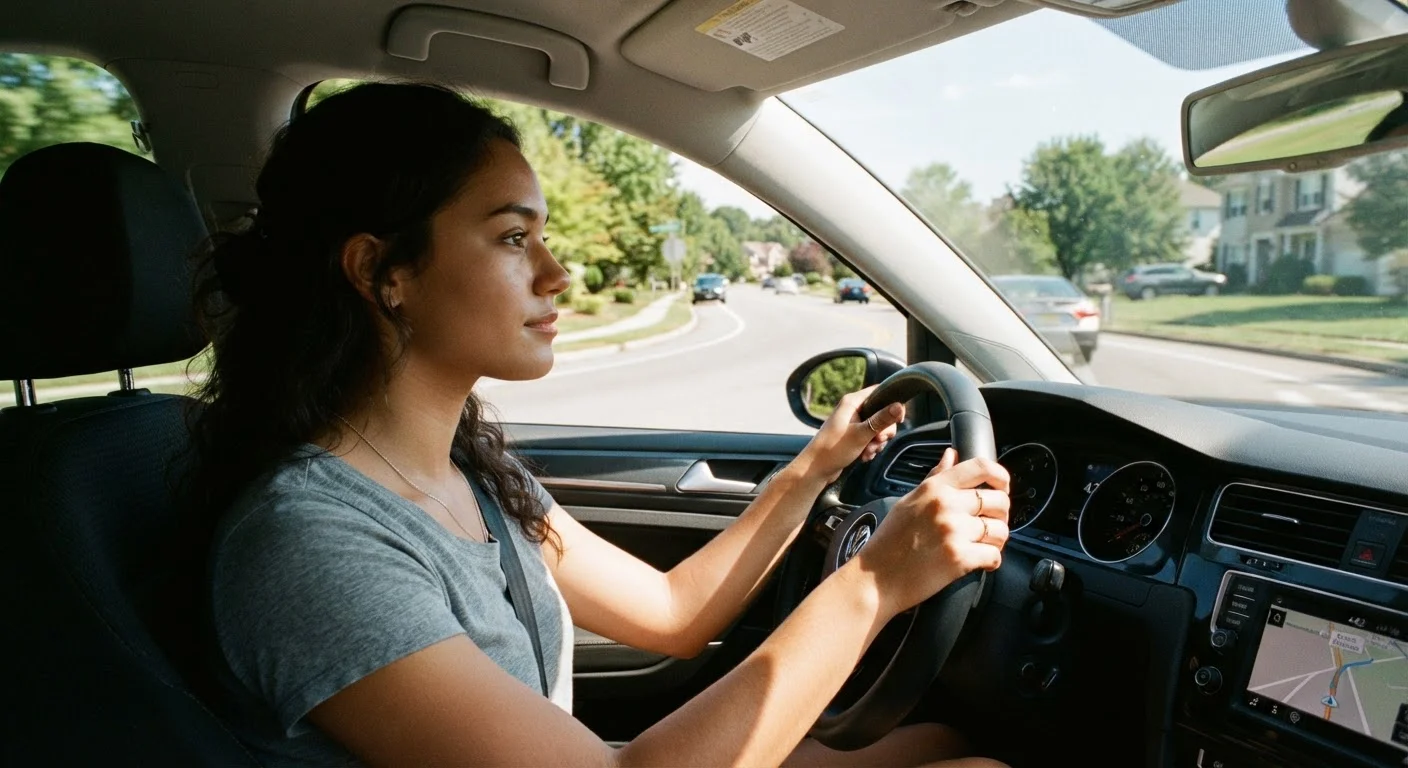
Photo credit: AdvisorHQ.net | Informative Website
In this article
Passing a driving test and driving alone are two different challenges. This guide covers what new drivers need to know before heading out independently.
Key Takeaways
- Checking your vehicle before every drive catches problems before they become emergencies.
- Right-of-way rules at intersections remain the most commonly misunderstood element of daily driving.
- Distracted and fatigued driving are leading causes of crashes among new drivers.
- Knowing what to do after an accident or breakdown keeps a bad situation from becoming dangerous.
- Confidence behind the wheel grows through practice on familiar roads before tackling complex ones.
Before You Leave: Vehicle and Route Preparation
Passing a driving test proves you understand traffic rules in a controlled context. Driving solo proves you can apply them without a safety net. The gap between those two experiences is where most early mistakes happen - and preparation is the best way to close it.
Start with the vehicle itself. A quick check before every drive covers the basics: tire appearance and pressure, fluid levels visible through the hood, functioning lights, and mirrors properly adjusted to your seated position. Our pre-trip safety checklist walks through each step in under five minutes. These habits also connect to broader car maintenance fundamentals that protect your vehicle long-term.
Know your route before you start the engine. Use a navigation app to preview the path, identify any highway merges or complex intersections, and estimate driving time. On your first few solo trips, choose routes you've already driven with a supervising adult - familiarity reduces cognitive load when you need full attention on traffic.
Plan Your First Few Trips Strategically
Choose routes that are short, familiar, and low-traffic for your first solo outings. Daytime driving in good weather gives you the widest margin for error. As your confidence grows, gradually introduce new variables - night driving, rain, or unfamiliar areas - one at a time rather than all at once.
Understanding the Rules You'll Actually Use
Driver's education covers a wide range of traffic laws, but a handful of rules govern the vast majority of real-world decisions. Right-of-way at intersections tops the list. Four-way stops, roundabouts, and uncontrolled intersections each follow distinct priority rules that many drivers - including experienced ones - apply inconsistently. A clear breakdown of right-of-way rules at intersections can prevent a surprising number of close calls.
Following distance is equally critical. The three-second rule - choosing a fixed point ahead, watching the car in front pass it, then counting three seconds before you pass the same point - is the standard guideline under normal conditions. Rain, fog, or heavy traffic all require more space.
Speed limits set legal maximums, not driving targets. Driving significantly below posted limits on a multi-lane road can be as disruptive and dangerous as speeding. Match surrounding traffic flow where it is safe and legal to do so, while staying within posted limits.
Following distance
The space between your vehicle and the car ahead. A three-second gap is the standard minimum under normal conditions, giving you time to react to sudden stops.
Right-of-way
The legal entitlement of one driver to proceed before another at a shared point in traffic, determined by traffic signs, signals, and road rules.
Hazard lights
Flashing amber lights on all four corners of your vehicle, used to alert other drivers that your car is stopped or experiencing an emergency.
Situational awareness
The ability to perceive and process what is happening around your vehicle - traffic, road conditions, pedestrians - so you can respond safely and in time.
Cognitive distraction
A mental distraction that pulls your attention away from driving even when your eyes are on the road, such as a phone conversation or deep thought.
Managing Distractions and Your Own Mindset
Distracted driving causes a significant share of crashes involving newer drivers. The most dangerous distractions are visual (eyes off the road), manual (hands off the wheel), and cognitive (mind off driving) - and phone use combines all three. In most states, handheld phone use while driving is illegal. Even legal, hands-free calls meaningfully reduce situational awareness.
Passengers also create distraction. Research consistently shows crash risk rises for teen drivers with peer passengers present. On early solo trips, keeping the car quiet - no loud music, no group chats on speaker - lets you focus on building situational awareness at your own pace.
Fatigue is underestimated by new drivers. Drowsiness slows reaction time in ways that mirror alcohol impairment at measurable levels. If you feel tired before driving, delay the trip. If fatigue sets in mid-drive, pull over safely and rest before continuing.
What to Do When Something Goes Wrong
No amount of preparation eliminates every risk, so knowing how to respond to common problems is as important as preventing them. Always carry your driver's license, vehicle registration, and proof of insurance - you'll need all three if you're stopped by law enforcement or involved in an accident.
If you're in a collision, stay calm and follow these steps: check for injuries, move vehicles out of active traffic if safe to do so, activate hazard lights, call 911 if anyone is injured, and exchange insurance and contact information with the other driver. Do not admit fault at the scene.
For a breakdown, signal your intent, pull as far off the road as safely possible, and activate hazard lights immediately. Stay inside the vehicle if you're on a high-speed road or highway - it's generally safer than standing outside near traffic. Call roadside assistance or a trusted contact for help.
First-time car owners often aren't fully aware of what to keep in the vehicle or what their insurance covers. Our overview of first-time car ownership covers those gaps in detail.
Never Leave an Accident Scene Prematurely
Leaving the scene of an accident before exchanging information or speaking to law enforcement - even a minor fender-bender - can result in a hit-and-run charge, which carries serious legal consequences in every state. Always stop, assess the situation, and follow proper reporting procedures.
Frequently Asked Questions

Author
Cars & Driving Editorial Team
Cars & Driving Editorial Team is the collective byline for our editorial team and contributor network. Articles published under this byline or an editorial pen name are researched, written, and reviewed according to our editorial standards for clarity, consistency, and independence before publication.
View all articles →