
Before You Pull Out of the Driveway: A Pre-Trip Safety Check
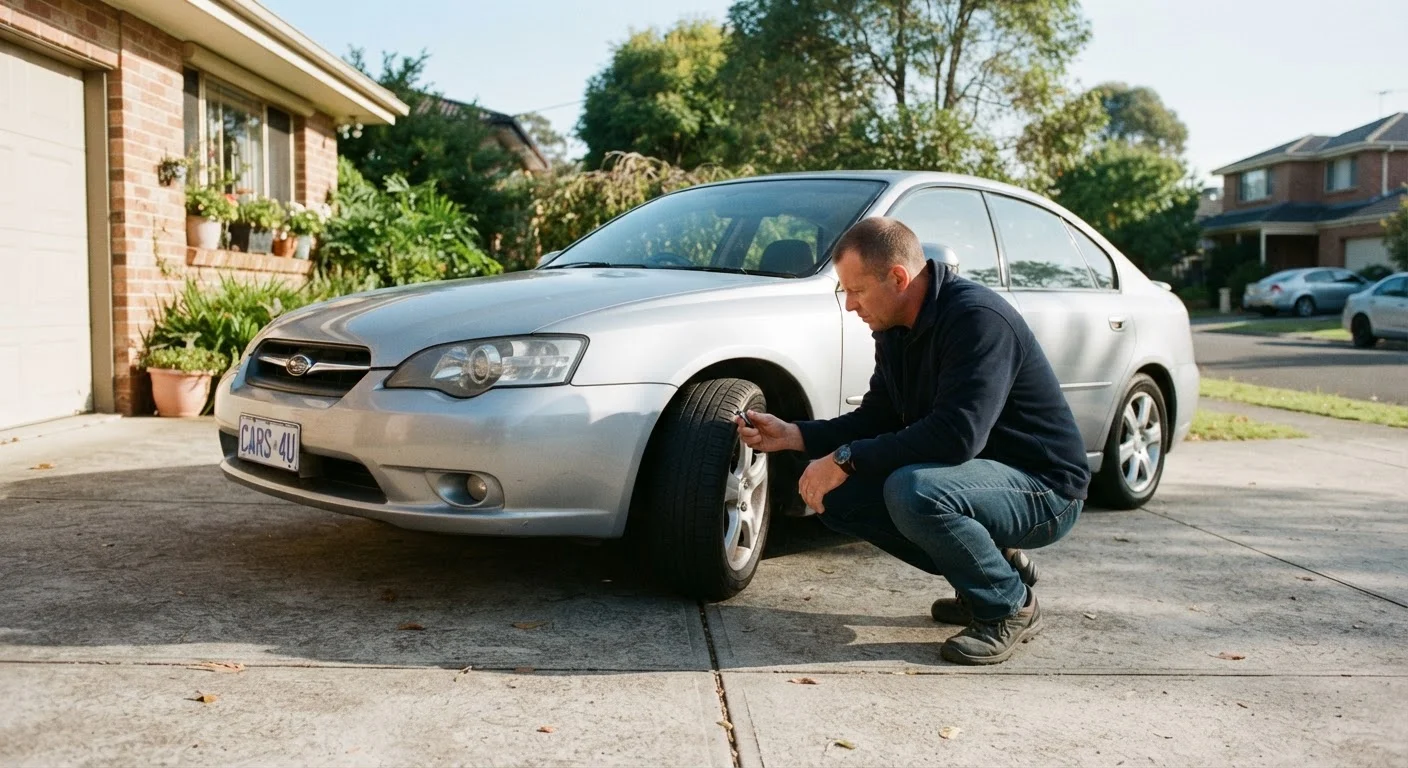
Photo credit: AdvisorHQ.net | Informative Website
A quick vehicle check before every drive can catch issues before they become emergencies. Use this checklist to build a reliable pre-trip habit.
Key Takeaways
- A pre-trip vehicle check takes under 15 minutes and can prevent breakdowns, accidents, and costly repairs.
- Tires, lights, fluids, and mirrors are the four areas most likely to cause immediate safety problems if neglected.
- Many pre-trip issues are visible to the naked eye - no tools required for a basic walk-around.
- Establishing this habit matters for daily commutes, not just long road trips.
- Catching a problem in the driveway is always safer and cheaper than discovering it at highway speed.
Why a Pre-Trip Check Is Worth the Time
Most drivers think of vehicle safety checks as something mechanics do during scheduled service - not something to think about on a Tuesday morning. But the gap between oil changes or tire rotations is exactly when small problems develop unnoticed. A flat tire doesn't announce itself the night before; a loose wiper blade doesn't fail during good weather.
This checklist is designed to take five to fifteen minutes, require no special tools beyond a tire gauge and your own eyes, and work equally well for a daily commute or a long highway drive. The goal isn't to replace routine maintenance - it's to catch anything that's changed since the last time you drove. For a deeper look at fluid levels under the hood, see our routine fluids inspection checklist. And if you're planning a significant road trip, tire pressure and tread guidance deserves its own dedicated review.
Skipping This Check Is a Real Risk
The National Highway Traffic Safety Administration estimates that tire-related failures contribute to thousands of crashes annually in the United States. A significant portion of these involve issues - underinflation, tread wear, or damage - that a brief visual inspection could have revealed. A few minutes before you drive is not a formality; it is an active safety measure.
The habit matters most precisely when you're in a hurry. That's also when problems are most likely to go unnoticed - and most likely to escalate. Treating a quick walk-around as non-negotiable, rather than optional, is one of the simplest things any driver can do to reduce risk.
How to Use This Checklist
The checklist is organized into five groups, moving from the outside of the vehicle inward, then covering emergency preparedness. Start with the exterior walk-around, which takes less than two minutes and catches the most visually obvious issues. Then check lights and visibility - a step many drivers skip entirely - before lifting the hood for a fluid and warning-light review.
Tire Pressure Gauge
Used to accurately measure tire inflation against your vehicle's recommended PSI, found on the driver's door jamb sticker.
Engine Oil Dipstick
Built into most vehicles, used to check oil level and condition without opening the drain plug.
Microfiber Cloth or Window Scraper
Used to clear condensation, frost, or grime from windows and mirrors before driving.
Flashlight or Smartphone Light
Helps inspect tires, under-hood components, and lights in low-visibility conditions.
Roadside Emergency Kit
Contains jumper cables, an inflator or spare tire, warning triangles, and a basic first-aid kit for unexpected roadside situations.
Interior controls and seatbelt checks come next, followed by a final look at your emergency readiness. Items marked must represent the baseline for any drive. Items marked should are strongly recommended and cover situations - rain, cold, long distances - that can arise without warning. Nice-to-have items add an extra layer of preparedness worth building toward over time.
New drivers building this habit for the first time will find it especially useful alongside our guide for first-time solo drivers. Experienced drivers who feel these steps are second nature should read about the safety habits that tend to erode over time - familiarity with a routine doesn't guarantee it's being done well.
Exterior Walk-Around
Lights and Visibility
Under the Hood (Quick Check)
Interior and Controls
Emergency Preparedness
Once a year, it's worth going further than any single pre-trip check can cover. Our annual car ownership checklist walks through insurance, registration, and broader maintenance review - the kind of comprehensive audit that no morning walk-around replaces.
Never Open a Hot Radiator Cap
Coolant in a hot engine is pressurized and can cause severe burns if the radiator cap is removed. Always wait until the engine has cooled completely - typically at least 30 minutes - before inspecting or adding coolant. Check the reservoir level as a safer alternative when the engine is warm.
Dashboard Warning Lights Are Not Optional
A warning light that remains illuminated after the engine starts signals that your vehicle's onboard systems have detected a problem. Do not assume it will resolve on its own. Check Oil, Check Engine, Battery, and Brake warning lights in particular require prompt attention from a qualified mechanic before extended driving.

Author
Cars & Driving Editorial Team
Cars & Driving Editorial Team is the collective byline for our editorial team and contributor network. Articles published under this byline or an editorial pen name are researched, written, and reviewed according to our editorial standards for clarity, consistency, and independence before publication.
View all articles →