
A Complete Picture of Long-Term Car Ownership Costs and Decisions
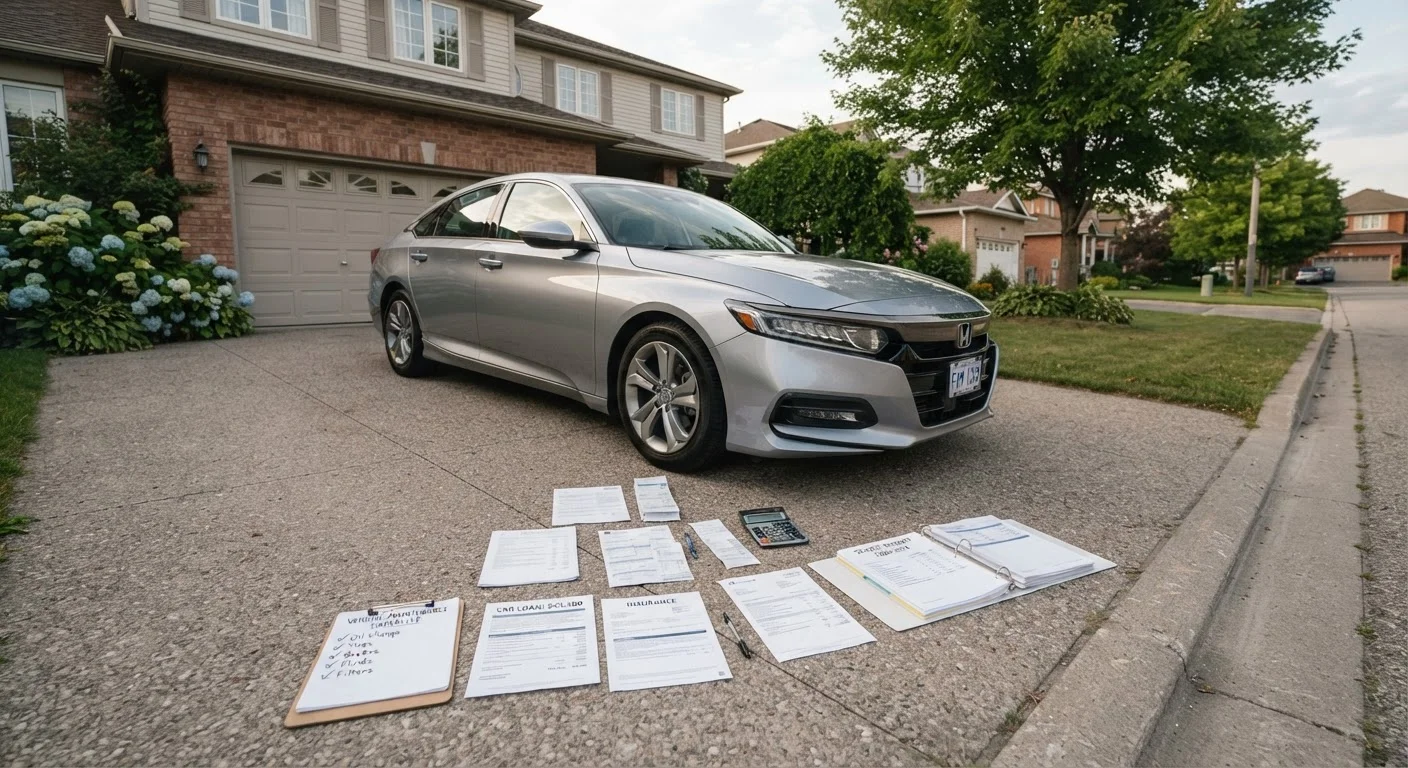
Photo credit: AdvisorHQ.net | Informative Website
In this article
From purchase day through eventual sale, this end-to-end resource covers insurance, maintenance, financing, depreciation, and resale considerations.
Key Takeaways
- The total cost of owning a car extends well beyond the purchase price to include insurance, fuel, maintenance, and depreciation.
- Depreciation is typically the single largest expense in the first few years of new-car ownership.
- Regular preventive maintenance reduces the likelihood of expensive emergency repairs over time.
- Understanding your financing terms before signing can save thousands over the life of a loan.
- Timing your decision to sell or trade in can meaningfully affect the financial return you receive.
The True Cost of Owning a Car
Most people think of a car's price tag as its primary cost. In practice, the purchase price is only the opening figure in a much longer financial story. Ownership encompasses fuel, insurance premiums, registration fees, taxes, routine maintenance, unexpected repairs, financing interest, and the steady erosion of value known as depreciation.
~$12,000
Average annual cost of car ownership
AAA's annual Your Driving Costs study estimates the average American spends roughly $12,000 per year to own and operate a new vehicle.
~20%
Value lost in first year of new-car ownership
Industry data consistently shows new vehicles lose approximately 15-20% of their value within the first 12 months after purchase.
12 years
Average age of vehicles on U.S. roads
According to S&P Global Mobility, the average age of light vehicles in operation in the United States has risen to over 12 years.
Understanding these costs as a system - rather than isolated line items - is the foundation of sound vehicle ownership. Our annual car ownership checklist is one useful tool for tracking these expenses year by year.
Financing and Purchase Decisions
How you pay for a vehicle shapes your financial exposure throughout the ownership period. Cash purchases eliminate interest costs but tie up capital. Auto loans spread costs over time but add interest. Leases offer lower monthly payments in exchange for mileage limits and no ownership equity. Each path carries different trade-offs.
For a structured comparison of these options, see our guide on financing a car. Similarly, the decision between new and used vehicles involves depreciation risk, warranty coverage, and upfront price differences - explored in depth in buying new vs. used.
Before financing, calculate the total amount you will repay - not just the monthly payment. A lower monthly payment stretched over a longer loan term often costs significantly more in interest.
Loan terms of 72 or 84 months have become more common, and while they reduce monthly obligations, they increase total interest paid and can leave owners 'underwater' on the loan longer.
Schedule a pre-purchase inspection by an independent mechanic before buying any used vehicle, even from a dealership.
A qualified inspection costing $100-$200 can reveal mechanical issues that could translate into thousands of dollars in repair costs - a small investment relative to the risk.
Insurance: Coverage That Fits Your Situation
Auto insurance is both a legal obligation and a critical financial protection. Liability coverage pays for damage and injuries you cause to others. Collision coverage addresses your own vehicle's damage in an accident. Comprehensive coverage handles non-collision events such as theft, weather damage, or falling objects.
Insurance Is a Legal Requirement
Nearly every U.S. state requires at minimum liability auto insurance to legally operate a vehicle on public roads. Driving without required coverage can result in fines, license suspension, and personal financial liability in the event of an accident. Review your state's minimum requirements and consult a licensed insurance agent to ensure your policy meets both legal standards and your personal risk tolerance.
The right coverage level depends on your vehicle's age and value, your financial reserves, and your state's requirements. A vehicle with a low market value may not justify the added premium of full comprehensive and collision coverage - but dropping those coverages while still carrying a loan balance is generally inadvisable without lender approval.
Depreciation and Its Impact on Value
Depreciation is the reduction in a vehicle's market value over time. New vehicles lose value fastest in early ownership, with some models declining by 15-20% in the first year alone. By years three through five, the steepest depreciation has typically already occurred.
“Depreciation is the silent expense most car owners never see on a bill. It's real money leaving your pocket every month regardless of whether anything breaks.”
— Cars & Driving Editorial Team, Automotive ownership and finance analysts
Depreciation affects your financial position whether you eventually sell, trade in, or total your vehicle. Choosing a model with historically strong resale value can meaningfully reduce this loss - though no specific vehicle outcome can be guaranteed.
Watch Out for Loan-to-Value Gaps
If your vehicle's market value falls below your outstanding loan balance - a condition called being 'upside down' or 'underwater' - selling or totaling the car could leave you responsible for the remaining debt. Gap insurance (Guaranteed Asset Protection) is a product designed to cover this difference, but its terms and costs vary; review any such coverage carefully with your insurer before purchasing.
Ongoing Maintenance and Repair Planning
Preventive maintenance - oil changes, tire rotations, brake inspections, fluid checks, filter replacements - is the most reliable strategy for extending a vehicle's serviceable life and avoiding larger repair bills. Manufacturer-recommended service intervals exist for sound engineering reasons and should be treated as a baseline, not a suggestion.
Keep a Digital Maintenance Log
Store receipts, service records, and inspection reports in a dedicated cloud folder. When it comes time to sell or trade in your vehicle, a documented service history is one of the strongest tools for supporting your asking price. Buyers and dealers alike place real value on verifiable maintenance records.
As vehicles age past 100,000 miles, wear items like timing belts, water pumps, and suspension components may require attention. Planning a modest repair reserve fund - separate from your regular budget - can reduce financial stress when these predictable but unpredictable-in-timing expenses arrive. For ongoing guidance, explore the Car Maintenance hub.
When to Sell, Trade In, or Keep Driving
The decision to exit ownership rarely has a single right answer. Key factors include your vehicle's current market value relative to its repair needs, the cost of replacement financing, your mileage and use patterns, and the reliability trajectory of the make and model.
A car requiring a repair that exceeds its market value is often described as a financial write-off - but context matters. If the repaired vehicle would serve reliably for several more years, that calculation may still favor repair over replacement. Conversely, a vehicle in good mechanical condition can sometimes be sold during a period of elevated used-car demand at a stronger-than-expected return.
Reviewing your full ownership picture annually - costs, reliability history, coverage, and goals - gives you the information to make these decisions clearly rather than reactively. Our annual ownership checklist provides a structured framework for exactly this kind of review.

Author
Cars & Driving Editorial Team
Cars & Driving Editorial Team is the collective byline for our editorial team and contributor network. Articles published under this byline or an editorial pen name are researched, written, and reviewed according to our editorial standards for clarity, consistency, and independence before publication.
View all articles →