
Annual Car Ownership Checklist: Financial and Safety Items to Review
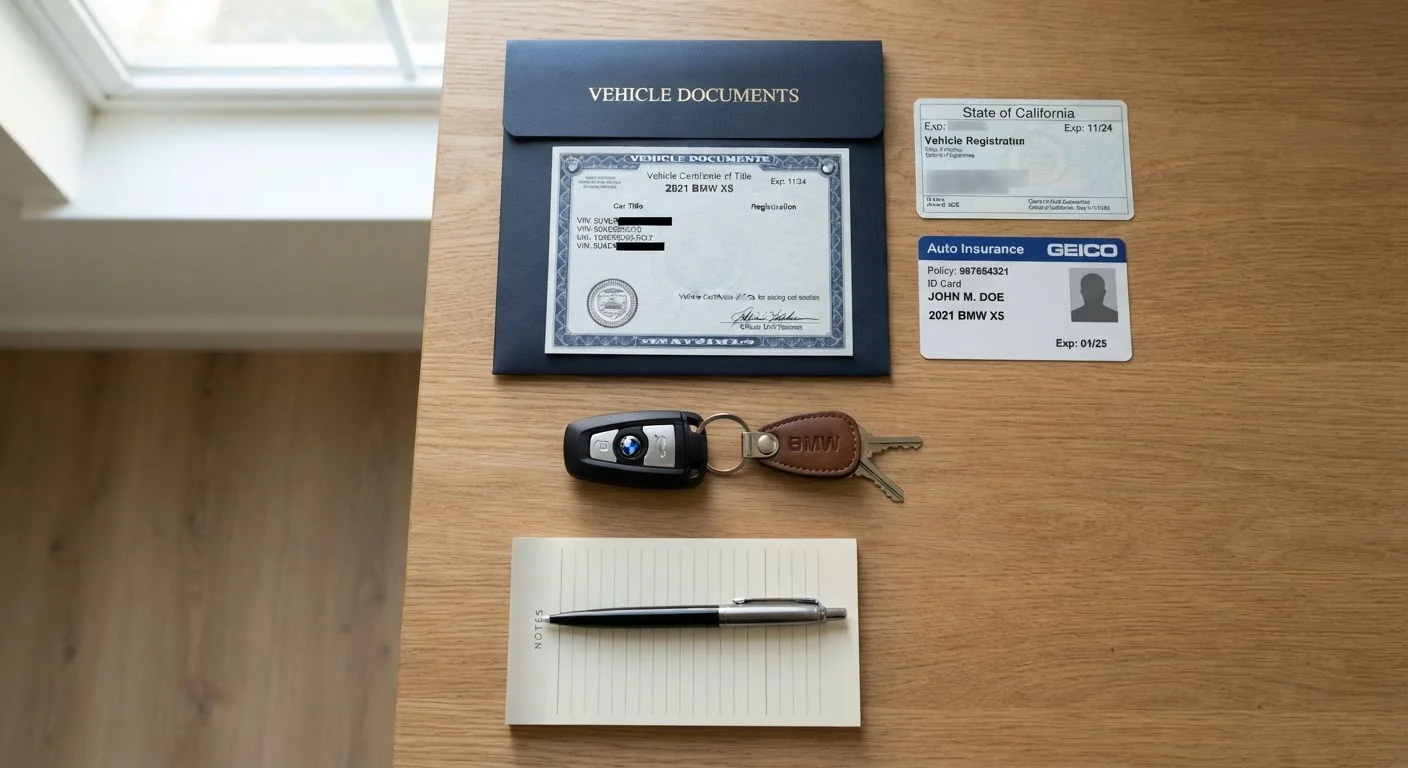
Photo credit: AdvisorHQ.net | Informative Website
In this article
Use this yearly checklist to review your insurance coverage, vehicle registration, maintenance records, and roadside preparedness.
Key Takeaways
- Reviewing your auto insurance coverage annually helps ensure you are neither underinsured nor overpaying for coverage you no longer need.
- Vehicle registration and title records should be checked every year for accuracy and upcoming renewal deadlines.
- A stocked emergency kit and up-to-date roadside plan are among the most overlooked safety items for car owners.
- Maintenance records protect your vehicle's resale value and help identify recurring problems before they escalate.
- Annual financial review of your auto loan terms, gap coverage, and depreciation position can reveal savings opportunities.
Why an Annual Car Ownership Review Pays Off
Most drivers think about their car daily but rarely pause to audit the full picture of ownership responsibilities. Insurance policies auto-renew without scrutiny, registration deadlines slip by, and maintenance gaps accumulate quietly - until something expensive happens. Treating car ownership like a business asset, with a structured annual review, is one of the most practical habits any driver can adopt.
This checklist consolidates the financial, administrative, and safety items that deserve your attention once a year. For a broader look at the full cost spectrum of owning a vehicle over time, see our end-to-end ownership cost guide. Work through each category below at your own pace - the checklist is designed to be completed in a single sitting or across a weekend afternoon.
Vehicle Insurance Declarations Page
Your declarations page summarizes all current coverages, limits, and deductibles - the starting point for your insurance review.
NHTSA Recall Lookup (nhtsa.gov)
Enter your VIN to check for any open safety recalls on your vehicle that require a dealer fix at no charge.
Vehicle Maintenance Log or App
A dedicated folder, spreadsheet, or maintenance-tracking app to record service dates, mileage, and receipts for future reference.
Tire Tread Depth Gauge
An inexpensive tool that provides an accurate measurement of remaining tread depth, helping you determine when replacement is needed.
Battery Tester or Multimeter
Checks the voltage and charge capacity of your battery so you can identify weakening cells before they leave you stranded.
State DMV Website
Use your state's official DMV portal to verify registration status, renewal deadlines, and address updates.
Insurance and Financial Items
Auto insurance is often the largest recurring cost of vehicle ownership outside of a loan payment, yet most policyholders review it only when they notice a premium increase. Use this section to take an active look at what you are actually covered for - and what you might be missing.
Insurance Coverage Review
Registration, Title, and Loan Records
Maintenance Records and Vehicle Condition
Emergency Preparedness and Roadside Readiness
State Minimum Insurance Is Often Not Enough
Every U.S. state sets minimum liability requirements, but these floors are designed to be affordable, not adequate. In a serious accident, minimum limits can be exhausted quickly, leaving you personally responsible for damages beyond your coverage. Review your liability limits against your current assets and consult a licensed insurance professional if you are unsure whether your current coverage provides meaningful protection.
Safety, Maintenance Records, and Roadside Preparedness
The safety dimension of car ownership extends well beyond oil changes. Your vehicle's emergency readiness, the accuracy of its maintenance history, and the condition of core safety systems all deserve a dedicated annual check. For a step-by-step look at under-hood fluids specifically, the fluids inspection checklist is a useful companion. Staying current on routine car maintenance is one of the surest ways to avoid compounding repair costs - a point explored further in our guide on maintenance habits that keep repair bills manageable.
Don't Skip Open Recall Checks
An open safety recall means the manufacturer has identified a defect that could affect safe operation. Recalls are corrected by dealerships at no cost to the owner, but they do not fix themselves. Driving a vehicle with an unresolved recall - particularly one affecting steering, braking, or fuel systems - carries real risk. Always verify recall status annually using your VIN at nhtsa.gov.
If you drive in a region with significant seasonal temperature swings, consider pairing this checklist with our seasonal vehicle prep guide to address climate-specific stress points. Road safety habits complement every item here - the Driving & Safety hub is a good resource to bookmark year-round.

Author
Cars & Driving Editorial Team
Cars & Driving Editorial Team is the collective byline for our editorial team and contributor network. Articles published under this byline or an editorial pen name are researched, written, and reviewed according to our editorial standards for clarity, consistency, and independence before publication.
View all articles →