
The True Cost of Car Ownership Beyond the Sticker Price
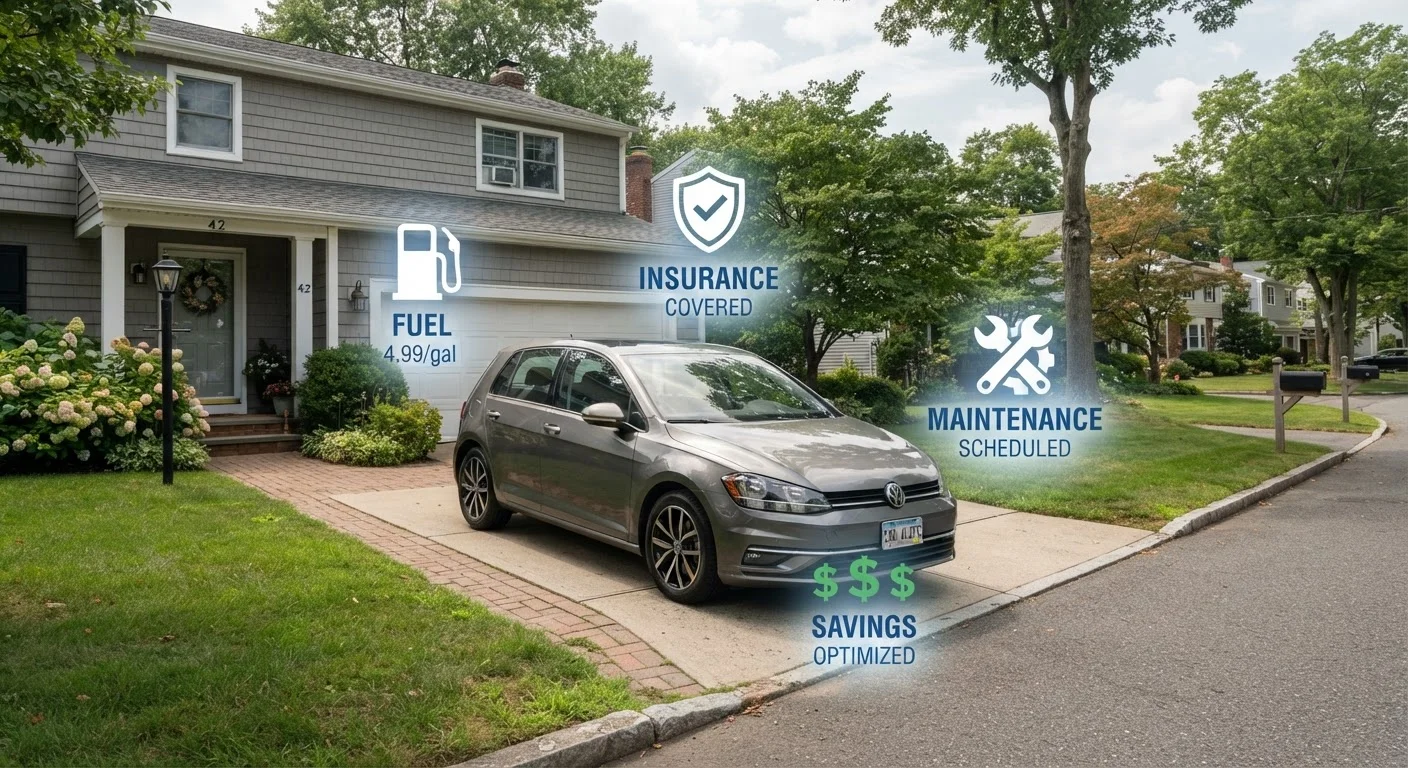
Photo credit: AdvisorHQ.net | Informative Website
In this article
Fuel, insurance, maintenance, depreciation — here's what car ownership actually costs once you factor in every recurring expense.
Key Takeaways
- Depreciation is typically the single largest ownership cost, often accounting for 40-50% of five-year total expenses.
- Insurance, fuel, and maintenance together can rival or exceed monthly loan or lease payments.
- Vehicle type and driving habits significantly influence how ownership costs stack up over time.
- Financing costs add real dollars to the total - the interest paid over a loan term is a genuine ownership expense.
- Budgeting for irregular costs like tires and repairs prevents financial strain when they inevitably arise.
Why the Sticker Price Is Only the Starting Point
When shoppers focus on a vehicle's purchase price - or its monthly payment - they are seeing only a fraction of what that car will actually cost them. The sticker price covers the transaction; ownership covers everything that comes after it. For most American households, a vehicle is the second-largest expense after housing, making an accurate understanding of its full cost essential to sound financial planning.
Ownership costs fall into two broad categories: fixed costs that stay relatively stable (such as insurance premiums and registration fees) and variable costs that shift with usage (like fuel and repairs). Both categories deserve attention when evaluating whether a vehicle fits your budget. See our complete guide to long-term ownership costs for an end-to-end breakdown from purchase day through resale.
$10,000+
Estimated average annual car ownership cost
Industry analysts and automotive research organizations commonly estimate total annual ownership costs - including depreciation, insurance, fuel, and maintenance - exceed $10,000 for an average new vehicle.
~50%
Value lost in first five years of ownership
New vehicles typically depreciate by roughly half their original value within five years, making depreciation the dominant lifetime cost for most owners.
15,000
Average annual miles driven by US motorists
The Federal Highway Administration has historically cited approximately 15,000 miles as the average annual mileage for a US driver, directly influencing fuel and wear-related costs.
Depreciation: The Silent Largest Expense
Depreciation - the decline in a vehicle's market value over time - is consistently the single largest component of car ownership cost, yet it rarely appears as a line item in anyone's monthly budget. A new car can shed 15-25% of its value within the first year, and roughly half its original value within five years, though the exact rate varies by make, model, market conditions, and vehicle condition.
Depreciation matters most when you plan to sell or trade in. The gap between what you paid and what you receive is a real financial loss. Buyers of used vehicles benefit from slower ongoing depreciation, because the steepest portion of value loss has already occurred. Our article on buying new vs. used examines how this trade-off plays out across different ownership scenarios.
Insurance, Fuel, and Financing: The Recurring Monthly Reality
Three costs hit drivers month after month: insurance premiums, fuel, and - for most buyers - financing charges.
Insurance is mandatory in virtually every US state and varies substantially based on the driver's history, location, vehicle type, and coverage level. Annual premiums commonly range from under $1,000 to well over $2,500 depending on these factors. Comparing coverage options at renewal, rather than auto-renewing, is one straightforward way to keep this cost in check.
Fuel costs depend on the vehicle's fuel economy rating and local pump prices, both of which fluctuate. A driver logging 15,000 miles per year in a vehicle averaging 28 miles per gallon will consume roughly 535 gallons annually - a figure that translates directly into hundreds or thousands of dollars depending on gas prices at the time.
Financing is an expense many buyers underestimate. Spreading a vehicle purchase over a 60- or 72-month loan at even a modest interest rate adds a meaningful sum to the total paid. Our article on loans, leases, and cash purchases compared details how each payment method affects total cost.
Build a Simple Annual Ownership Budget
Before purchasing any vehicle, estimate your expected annual costs across all categories: loan or lease payment, insurance, fuel (based on your typical mileage and the vehicle's MPG rating), routine maintenance, registration, and a reserve for unexpected repairs. Adding these up gives you a realistic monthly figure that reflects true ownership cost - not just the car payment.
Maintenance, Repairs, and the Costs You Can't Always Predict
Scheduled maintenance - oil changes, tire rotations, brake inspections, fluid top-ups, and filter replacements - is a predictable and necessary investment. Skipping or delaying it typically leads to more expensive repairs down the line. Annual maintenance costs for a well-maintained vehicle commonly run several hundred dollars, rising as the vehicle ages.
Unscheduled repairs are less predictable. Tires need replacement every 25,000-50,000 miles depending on driving style and tire quality. Brakes wear depending on load, terrain, and driving habits. A single unexpected repair - a failed alternator, a worn transmission component, a cracked windshield - can run from a few hundred to several thousand dollars.
Separating myth from fact about maintenance is also worth your time. Our piece on car maintenance myths that cost drivers money clarifies which habits are genuinely necessary and which are outdated.
A driver purchases a new midsize sedan for $35,000 and focuses only on the $550 monthly payment when budgeting.
A commuter buys a used vehicle with 45,000 miles specifically to avoid rapid depreciation.
A driver in a high-cost urban area parks their vehicle daily in a paid garage and pays tolls on their regular commute route.
Registration, Taxes, and the Costs Nobody Enjoys Thinking About
Annual vehicle registration fees, state and local taxes, emissions testing (required in many states), and parking costs are unglamorous but real components of ownership. Registration fees vary widely by state and are often tied to vehicle age or value. Property taxes on vehicles apply in some states and can add several hundred dollars per year to the total.
Parking, tolls, and car washes may feel incidental, but across a full year these expenses accumulate into a figure worth including in any honest ownership budget. First-time car owners are particularly prone to overlooking these items - our article on what first-time owners are rarely warned about covers these gaps in detail.
This article provides general financial information for educational purposes only and does not constitute personalized financial or legal advice. Costs vary significantly by vehicle, location, and individual circumstances. Consult a qualified professional for guidance specific to your situation.
Frequently Asked Questions

Author
Cars & Driving Editorial Team
Cars & Driving Editorial Team is the collective byline for our editorial team and contributor network. Articles published under this byline or an editorial pen name are researched, written, and reviewed according to our editorial standards for clarity, consistency, and independence before publication.
View all articles →