
Daily Oral Hygiene: What Dentists Actually Recommend
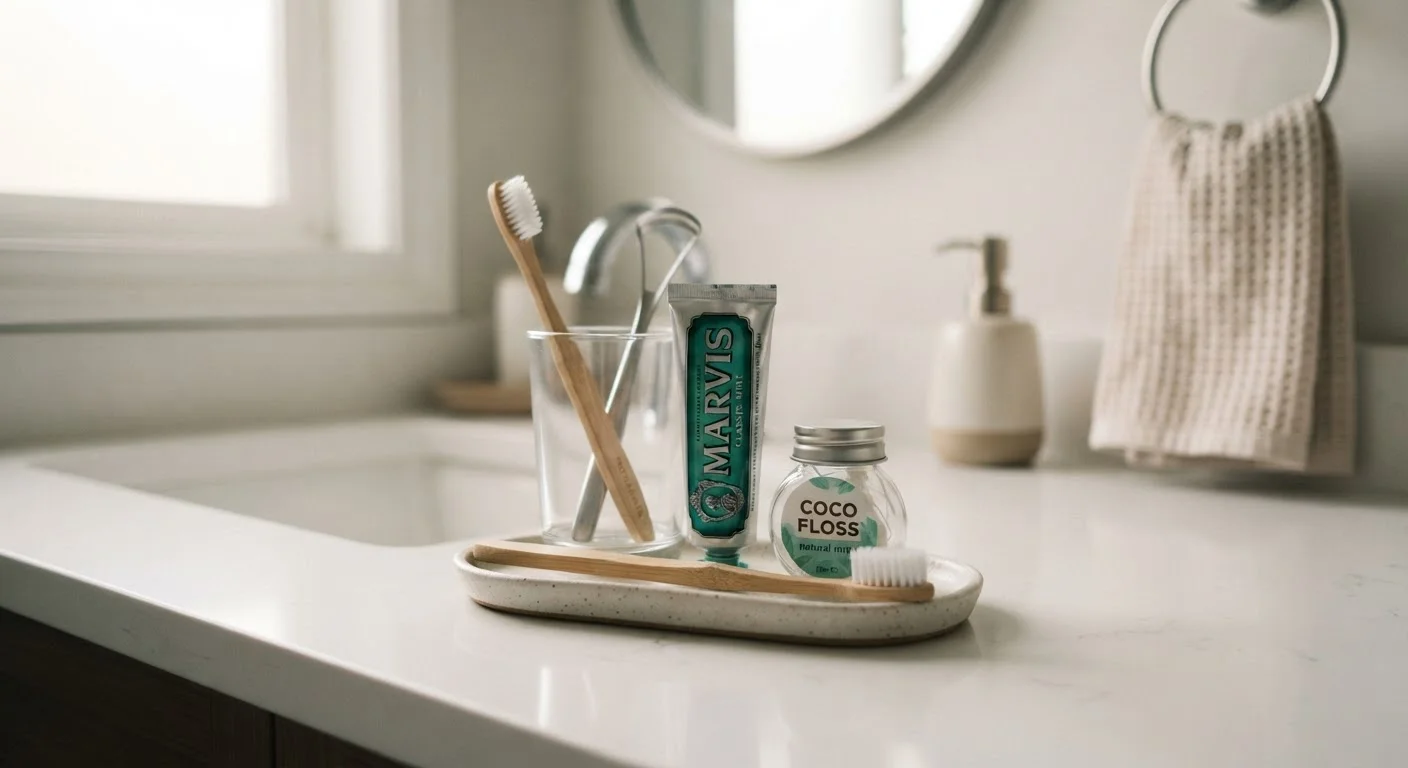
Photo credit: AdvisorHQ.net | Informative Website
In this article
From brushing technique to flossing frequency, here's what established dental guidance says about caring for your teeth every day.
Key Takeaways
- Brush for a full two minutes twice daily using a soft-bristled toothbrush and fluoride toothpaste.
- Flossing once per day removes plaque from areas a toothbrush simply cannot reach.
- Mouthwash is a complement to brushing and flossing, not a substitute for either.
- Regular professional cleanings catch problems early that home care cannot address alone.
- Technique matters as much as frequency - improper brushing can harm enamel and gums over time.
Why Daily Habits Shape Long-Term Dental Health
Tooth decay and gum disease are among the most common chronic health conditions in the United States, yet both are largely preventable with consistent daily care. The American Dental Association (ADA) and dental research consistently point to the same foundational habits - and none of them are complicated. What trips most people up isn't awareness, but execution: skipping steps, rushing the routine, or using the wrong technique.
Oral health is also connected to broader systemic health. Research has linked chronic gum disease (periodontitis) to elevated risks for cardiovascular disease and other conditions, though the exact nature of those relationships is still being studied. That said, caring for your teeth daily is worthwhile on its own terms - for comfort, function, and confidence - without overstating any wider health promises.
If you're looking to round out your personal care routine beyond oral hygiene, personal care habits most adults overlook covers related areas that often get missed.
“Oral health is a window to your overall health. Problems in your mouth can affect the rest of your body, and neglecting your teeth and gums creates risks that go beyond a dental bill.”
— American Dental Association, Leading U.S. professional organization for dentists and dental public health
The Core Practices Dentists Recommend
The following practices reflect established dental guidance from professional organizations and clinical consensus. They apply to most healthy adults, though individual circumstances - including specific dental conditions, medications, or appliances like braces - may warrant tailored advice from your own dentist.
Brush twice daily for two full minutes with fluoride toothpaste
Two minutes is the duration shown to adequately remove plaque across all tooth surfaces. Fluoride strengthens enamel and has a well-established role in cavity prevention, making it a non-negotiable ingredient according to dental consensus.
Angle the brush at 45 degrees to the gumline and use gentle circular strokes
This technique, often called the modified Bass method, directs bristles into the sulcus (the small gap between tooth and gum) where plaque tends to accumulate. Harsh back-and-forth scrubbing bypasses this area and risks damaging gum tissue.
Floss once per day, reaching below the gumline on each tooth
Toothbrush bristles cannot clean the tight spaces between teeth or the area just below the gumline, where plaque buildup leads to interproximal cavities and early gum disease. Daily flossing disrupts this plaque before it hardens into tartar.
Replace your toothbrush or brush head every three to four months
Frayed bristles lose their ability to clean effectively and can harbor bacteria. The ADA recommends replacement at this interval, or sooner if bristles visibly splay.
Use an antimicrobial or fluoride mouth rinse as a supplement, not a substitute
Rinsing can reach surfaces that brushing and flossing miss, and fluoride rinses add an additional layer of enamel protection. However, no rinse removes the sticky biofilm of plaque - that requires physical disruption through brushing and flossing.
Attend professional cleanings at the frequency your dentist recommends
Tartar (calcified plaque) cannot be removed at home - only professional instruments can clear it. Routine cleanings also allow dentists to detect early-stage decay, gum changes, or other concerns before they become costly or painful to treat.
Common Mistakes That Undermine Good Intentions
Even people who brush every day can develop cavities or gum problems if their technique is off. One of the most frequent errors is brushing too hard - applying excessive pressure doesn't clean teeth more thoroughly, it abrades enamel and can cause gum recession over time. A soft-bristled brush used with gentle, circular or angled strokes is far more effective and safer than aggressive scrubbing.
Another common mistake: brushing immediately after consuming acidic foods or drinks. Acid temporarily softens enamel, and brushing within about 30 minutes of exposure can cause more harm than good. Rinsing with water and waiting is generally the safer approach.
90%
Adults with at least one cavity in their lifetime
According to the National Institute of Dental and Craniofacial Research, tooth decay affects approximately 90% of adults in the United States at some point in their lives.
47%
U.S. adults with some form of gum disease
The CDC has reported that nearly half of American adults aged 30 and older show signs of periodontal disease, most of which is preventable with consistent daily hygiene.
Skipping your tongue is also worth noting. Bacteria accumulate on the tongue's surface and contribute significantly to bad breath. A gentle brush of the tongue during your routine - or a dedicated tongue scraper - addresses this directly. You can explore weekly personal care tasks that complement daily habits for a broader look at routine maintenance.
Starting Today: Quick Wins for a Stronger Routine
Improving your oral hygiene doesn't require an overhaul - small, immediate adjustments to what you're already doing make a measurable difference. The following actions are things you can implement at your very next brushing session.
This article is for general informational purposes only and does not constitute dental or medical advice. Consult a licensed dentist for guidance specific to your oral health needs.

Author
Health & Beauty Editorial Team
Health & Beauty Editorial Team is the collective byline for our editorial team and contributor network. Articles published under this byline or an editorial pen name are researched, written, and reviewed according to our editorial standards for clarity, consistency, and independence before publication.
View all articles →