
The Personal Care Habits Most Adults Skip Without Realizing It
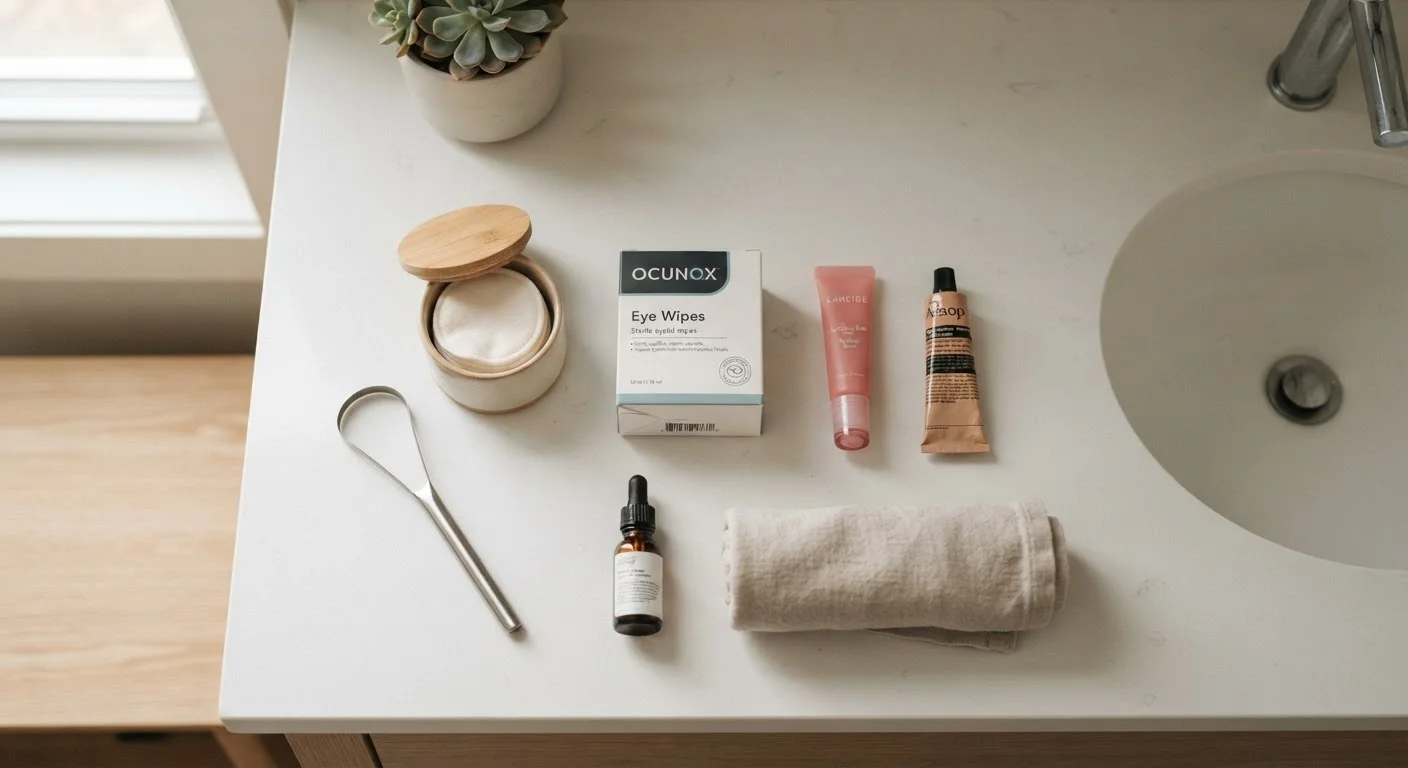
Photo credit: AdvisorHQ.net | Informative Website
In this article
Tongue scraping, eye hygiene, ear care — these routine tasks often get left out. Here's what tends to slip through the cracks and why it matters.
Key Takeaways
- Many personal care gaps involve areas people rarely think to check - like the tongue, eyelids, and scalp edges.
- Skipping these routines doesn't always cause immediate problems, making them easy to overlook long-term.
- Most neglected habits require minimal time or tools and can be added to an existing routine.
- Consistent attention to small care steps supports overall hygiene and can reduce discomfort over time.
- When symptoms arise in overlooked areas, consulting a healthcare provider is always the right move.
The Gaps Most Routines Don't Cover
Most adults have a personal care routine they follow without much thought - brush teeth, wash face, shower, done. But consistency in the basics doesn't mean the routine is complete. Research and dental and dermatological guidance alike point to several hygiene habits that commonly get skipped, not out of laziness, but because they were simply never taught or emphasized.
These aren't niche wellness trends. They're practical, low-effort tasks that address real areas of the body most people leave unattended. If your weekly personal care checklist doesn't include the habits below, it may be worth a second look.
Not Every Gap Signals a Problem
Skipping these habits doesn't mean you're unhealthy - many people go years without issues. These are preventive practices, not urgent corrections. If any area of the body is causing discomfort, persistent irritation, or visible changes, that's the appropriate prompt to consult a healthcare or dental professional rather than self-treating.
Habits Worth Adding to Your Routine
Tongue scraping
Brushing the tongue helps, but a dedicated tongue scraper - a simple curved tool - removes the soft coating of bacteria, food particles, and dead cells that accumulates on the tongue's surface more effectively than a toothbrush bristle can. This biofilm is one recognized contributor to bad breath. Dental organizations generally support tongue cleaning as part of a complete oral hygiene routine. See what dentists recommend for daily oral care for broader context on keeping the mouth healthy.
A tongue scraper removes biofilm more effectively than a toothbrush alone.
Eyelid hygiene
The eyelid margins - the thin strip of skin where lashes meet the lid - collect oils, debris, and dead skin cells over time. Many people with dry eyes, occasional styes, or a condition called blepharitis (inflammation of the eyelid) are dealing with buildup that regular face washing doesn't fully address. Ophthalmologists often recommend gentle eyelid scrubs or warm compresses as part of managing these common issues. If you experience persistent eye irritation or crusting, speaking with an eye care professional is worthwhile.
Eyelid margins collect debris that regular face washing rarely reaches.
Scalp edge and hairline care
Shampooing the scalp is standard, but the hairline, temples, and back of the neck - where sweat, product residue, and skin oils accumulate - often get rinsed but not actually cleansed. Dermatologists note that product buildup along these margins can contribute to clogged follicles and breakouts. The basics of scalp health matter more than most people realize, and that includes attention to the full perimeter, not just the crown.
The hairline and temples collect sweat and product residue that shampooing often misses.
Ear cleaning - done correctly
Most adults either over-clean their ears with cotton swabs - which audiologists and physicians consistently advise against, as swabs push wax deeper - or avoid the ears entirely. The ears are self-cleaning by design, but the outer ear canal and the visible parts of the ear benefit from gentle wiping. If wax buildup becomes uncomfortable or affects hearing, a healthcare provider can recommend safe removal methods rather than improvised home tools.
Cotton swabs push earwax deeper; the outer ear only needs gentle wiping.
Lip exfoliation
Lip skin lacks the oil glands found elsewhere on the face, making it prone to dryness and flaking - especially in colder months. Most people apply lip balm over dry, flaking skin rather than gently removing the buildup first. A mild physical exfoliant (such as a soft toothbrush or a gentle sugar scrub) used once or twice weekly can allow moisturizing products to work more effectively. This step takes seconds and is rarely part of anyone's existing routine.
Applying balm over flaking lips is less effective than exfoliating first.
Fingernail undersides
Research consistently shows that the space beneath fingernails harbors significant bacterial load - more than the fingertip surface. Handwashing, while critical, rarely cleans this area adequately without a nail brush. A brief scrub under the nails - particularly before handling food or after outdoor activities - addresses one of the most overlooked vectors of hand-to-mouth contamination. This pairs well with the broader year-round hand care habits that protect both skin and hygiene.
The space beneath fingernails harbors more bacteria than the fingertip surface itself.
Stack New Habits on Existing Ones
Behavior change research supports "habit stacking" - linking a new behavior to an established one. Try tongue scraping immediately after brushing, or eyelid cleaning as the final step of your evening face wash. Pairing new steps with existing triggers makes them far easier to sustain over time.
Building the Habit Without Overhauling Your Routine
The easiest way to adopt overlooked habits is to attach them to something you already do. Tongue scraping pairs naturally with toothbrushing. Eyelid cleaning fits after removing makeup or washing your face. Scalp attention can happen during your regular shampoo. None of these additions require significant extra time - most take under a minute.
Just as skipping routine maintenance on a car leads to compounding problems over time - a concept explored in routine vehicle maintenance guidance - ignoring small care steps in your personal routine can quietly compound too. The body gives feedback, but not always immediately.
If you're already attentive to hand skin, the hand care habits that go beyond handwashing offer another layer of maintenance most people miss. The same principle applies across the body: more attention, fewer avoidable problems.
This article is for general informational purposes only and is not a substitute for professional medical or dental advice. Consult a qualified healthcare provider for any concerns about your personal health or hygiene.

Author
Health & Beauty Editorial Team
Health & Beauty Editorial Team is the collective byline for our editorial team and contributor network. Articles published under this byline or an editorial pen name are researched, written, and reviewed according to our editorial standards for clarity, consistency, and independence before publication.
View all articles →