
The Weekly Personal Care Checklist Most Routines Are Missing
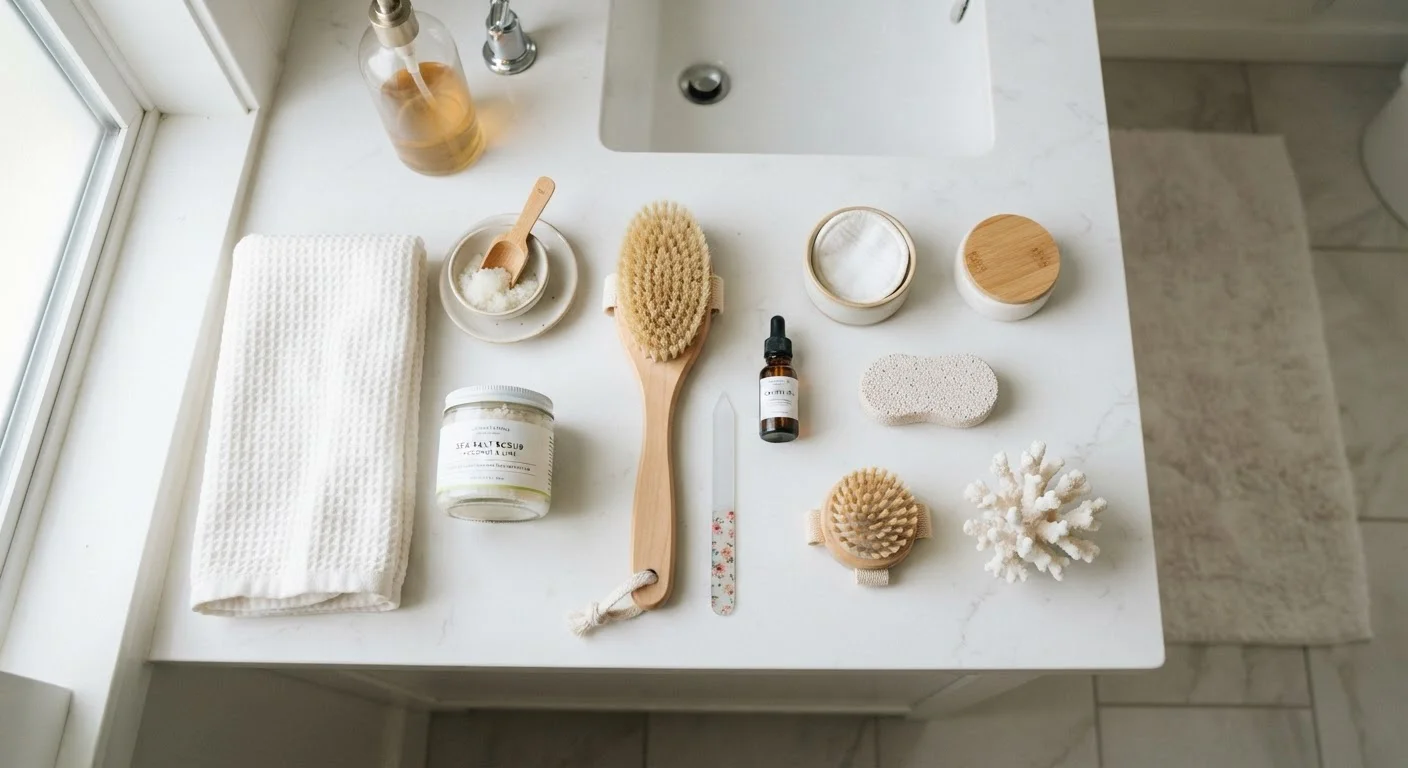
Photo credit: AdvisorHQ.net | Informative Website
A practical checklist of grooming and hygiene tasks that benefit from weekly — rather than daily — attention.
Key Takeaways
- Daily hygiene habits leave meaningful gaps that only a weekly routine can fill.
- Skin exfoliation, nail care, and scalp health all benefit from weekly - not daily - attention.
- Maintaining your tools and products is as important as using them correctly.
- A weekly review takes under an hour and prevents small issues from becoming larger problems.
- Consistency over perfection is the most effective approach to personal care.
Why Weekly Attention Changes the Game
Most personal care routines focus on the daily essentials - brushing teeth, washing your face, showering. These habits are foundational, and resources like established dental guidance make clear why skipping them has real consequences. But a daily routine, by design, is built for speed. That means certain tasks - ones that need time or simply don't require daily repetition - quietly fall off the schedule.
Weekly personal care isn't a luxury add-on. It's the layer of maintenance that keeps skin, nails, hair, and overall hygiene from slowly deteriorating between your daily efforts. Think of it the same way you'd approach a weekly home tidy-up: the daily wipe-down keeps things functional, but the weekly pass catches what accumulates beneath the surface.
The checklist below is organized by category to make it easy to work through in one dedicated session - or spread across a few days if that fits your lifestyle better. If you're also building structure around other health habits, a weekly movement plan follows similar principles of intentional scheduling.
Skin Care
Nail and Hand Care
Hair and Scalp
Oral and Facial Grooming
Tool and Product Maintenance
Tools, Products, and Keeping Your Kit Current
The effectiveness of any personal care routine depends partly on the condition of the tools you're using. Dull nail clippers, a worn toothbrush head, or expired skincare products can quietly undermine consistent effort. Building a weekly habit of checking and maintaining your kit is just as important as the tasks themselves.
Nail clippers and emery board
For trimming nails cleanly and smoothing edges to prevent snagging or breakage.
Gentle exfoliating scrub or chemical exfoliant
Used weekly to clear dead skin cells from the face and body without over-stripping the skin barrier.
Deep conditioning hair mask
Restores moisture and protein to hair lengths and ends on a weekly basis between regular wash days.
Scalp brush or massager
Helps loosen buildup during shampooing and supports gentle scalp stimulation.
Tongue scraper
Removes bacterial coating from the tongue as part of a complete oral hygiene routine.
Rich moisturizer or hand cream
Applied weekly as an intensive treatment to hands and heels to counteract dryness.
Beyond individual tools, consider doing a brief audit of your products each week. Check expiration dates on sunscreen and topical treatments - these degrade over time and become less effective or potentially irritating. Rinse reusable applicators, clean makeup brushes if you use them, and replace any single-use items that have been sitting open too long.
For hand-specific care, which is often overlooked even by people with otherwise thorough routines, protecting skin from dryness and cracking involves more than just applying lotion. Weekly cuticle care and gentle exfoliation of the hands complement the nail care steps in this checklist. And if you've noticed you're regularly skipping items that feel unfamiliar, personal care habits most adults overlook offers a useful starting point for filling in those gaps.
Avoid Over-Exfoliating Your Skin
More frequent exfoliation is not better - it can compromise the skin barrier, leading to redness, sensitivity, and breakouts. Stick to once or twice per week for the face and adjust based on how your skin responds. If you notice persistent irritation, scale back and consult a dermatologist.
This article provides general personal care information for educational purposes and is not a substitute for advice from a qualified healthcare or dermatology professional. If you experience skin irritation, persistent nail issues, or other concerns, consult a licensed professional.

Author
Health & Beauty Editorial Team
Health & Beauty Editorial Team is the collective byline for our editorial team and contributor network. Articles published under this byline or an editorial pen name are researched, written, and reviewed according to our editorial standards for clarity, consistency, and independence before publication.
View all articles →