
Deodorant vs. Antiperspirant: What Each One Actually Does
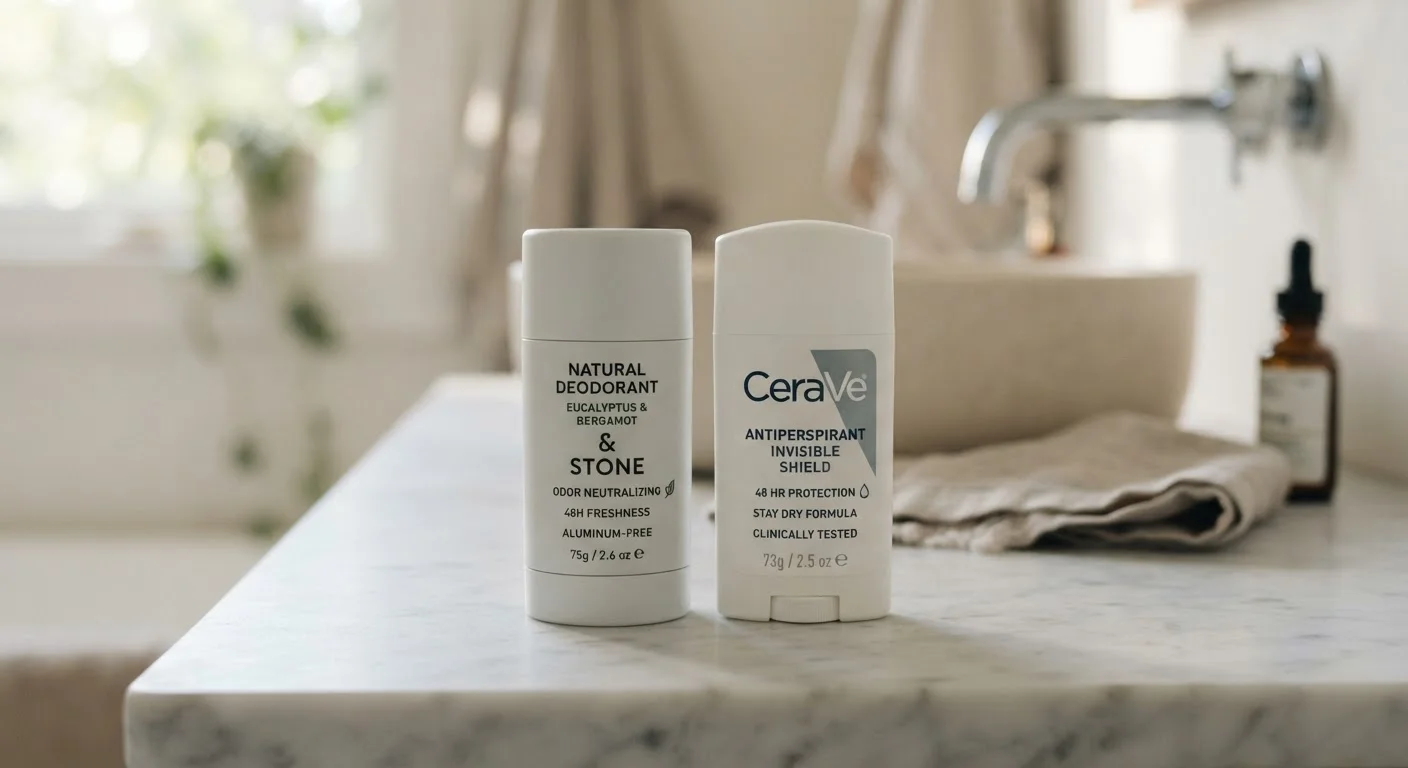
Photo credit: AdvisorHQ.net | Informative Website
In this article
These two products work in completely different ways. Understand the distinction so you can pick what suits your lifestyle.
Key Takeaways
- Deodorant masks or neutralizes odor but does not reduce sweating.
- Antiperspirant uses aluminum-based compounds to physically block sweat glands.
- Antiperspirants are classified as over-the-counter drugs by the FDA; deodorants are cosmetics.
- Neither product is universally superior - the right choice depends on your body chemistry and lifestyle.
- Skin sensitivity, activity level, and personal preference should guide your product choice.
- Combination products labeled 'deodorant/antiperspirant' attempt to do both in a single formula.
The Core Difference: Odor vs. Sweat
Despite being shelved together and often confused, deodorants and antiperspirants are fundamentally different products that address two separate concerns: body odor and perspiration. Understanding the distinction starts with knowing what actually causes underarm odor.
Sweat itself is largely odorless. The smell associated with perspiration comes from bacteria on the skin's surface breaking down compounds in sweat, particularly in areas with dense apocrine glands like the underarms. Deodorant targets this bacterial activity - either by introducing antimicrobial agents that reduce bacterial populations or by using fragrance to mask the resulting smell. Your sweat glands remain unaffected and fully functional.
Antiperspirant takes a different approach entirely. It contains aluminum-based compounds - such as aluminum chlorohydrate or aluminum zirconium - that temporarily form a gel-like plug over the sweat duct opening. This physically reduces the amount of sweat that reaches the skin's surface. Because less sweat is available for bacteria to break down, odor is also diminished as a secondary benefit.
This is also why the FDA classifies these products differently. Antiperspirants are regulated as over-the-counter (OTC) drugs because they alter a physiological function of the body. Deodorants, which do not change how the body works, are classified as cosmetics.
How Each Product Works in Practice
For deodorant, effectiveness depends on the formula's ability to create an inhospitable environment for odor-causing bacteria. Common active approaches include alcohol (which kills bacteria on contact), baking soda (which neutralizes acidic odor compounds), and plant-derived antimicrobials like tea tree oil. The downside is that these formulas do nothing to curb wetness - you may still notice dampness even if the smell is controlled.
Antiperspirants work most effectively when applied to clean, dry skin - typically at night before bed, when sweat rate is lower. This gives aluminum compounds more time to form a stable plug before you're active. Morning application is still common and effective, though some dermatologists note that nighttime application may improve performance for people with more pronounced sweating.
| Criterion | Deodorant | Antiperspirant |
|---|---|---|
| Primary function | Controls body odor | Reduces sweat production |
| How it works | Antimicrobial agents or fragrance | Aluminum compounds block sweat ducts |
| FDA classification | Cosmetic | OTC drug |
| Affects sweating? | No | Yes |
| Best application time | Morning or as needed | Night before bed for best results |
| Skin sensitivity risk | Lower (varies by formula) | Higher (aluminum, fragrance) |
| Available without prescription? | Yes | Yes (clinical strength also OTC) |
It's worth noting that some products are labeled as both deodorant and antiperspirant. These combination formulas include aluminum compounds for sweat reduction alongside fragrance or antimicrobial agents for odor control. They're a practical middle ground for many people, though they carry the same considerations as a standalone antiperspirant when it comes to ingredients.
For a broader look at how ingredient transparency factors into personal care choices, see our guide to natural vs. conventional personal care products.
Choosing What's Right for Your Body and Lifestyle
There is no single correct answer here - the better product is the one that fits your physiology, daily demands, and skin tolerance. A few factors worth thinking through:
- Sweat volume: If you regularly experience noticeable underarm wetness that affects clothing or comfort, an antiperspirant is likely the more functional choice.
- Skin sensitivity: Aluminum compounds and fragrance are both common irritants. People with reactive skin may do better with fragrance-free deodorant formulas.
- Activity level: High-intensity exercise will override most standard formulas. Clinical-strength antiperspirants (which contain higher concentrations of aluminum compounds) are available OTC for people who need more sustained protection.
- Personal preference: Some people prefer not to block sweating on principle - sweat plays a role in thermoregulation and is a normal bodily function. Deodorant allows that process to continue uninterrupted.
About Aluminum and Safety Research
Some consumers have questions about aluminum compounds in antiperspirants and their long-term safety. Major health organizations, including the American Cancer Society, have stated that current evidence does not establish a link between antiperspirant use and breast cancer or other serious conditions. Research is ongoing, and if you have specific health concerns, a conversation with your healthcare provider is the most appropriate next step.
Just as sunscreen ingredients work through distinct mechanisms - a concept explored in our physical vs. chemical sunscreen breakdown - the active ingredients in deodorant and antiperspirant achieve their effects through entirely different chemistry. Knowing the mechanism helps you evaluate whether a product is actually suited to your concern.
Your choice of underarm product pairs naturally with your broader hygiene routine. If you're also weighing cleansing options, our bar soap vs. body wash comparison covers how each approach affects skin feel and cleanliness.
This article is for general informational purposes only and is not a substitute for advice from a qualified healthcare professional. If you experience skin irritation, unusual sweating, or other symptoms, consult a dermatologist or your primary care provider.

Author
Health & Beauty Editorial Team
Health & Beauty Editorial Team is the collective byline for our editorial team and contributor network. Articles published under this byline or an editorial pen name are researched, written, and reviewed according to our editorial standards for clarity, consistency, and independence before publication.
View all articles →