
Hand Care Beyond Handwashing: Keeping Skin Healthy Year-Round
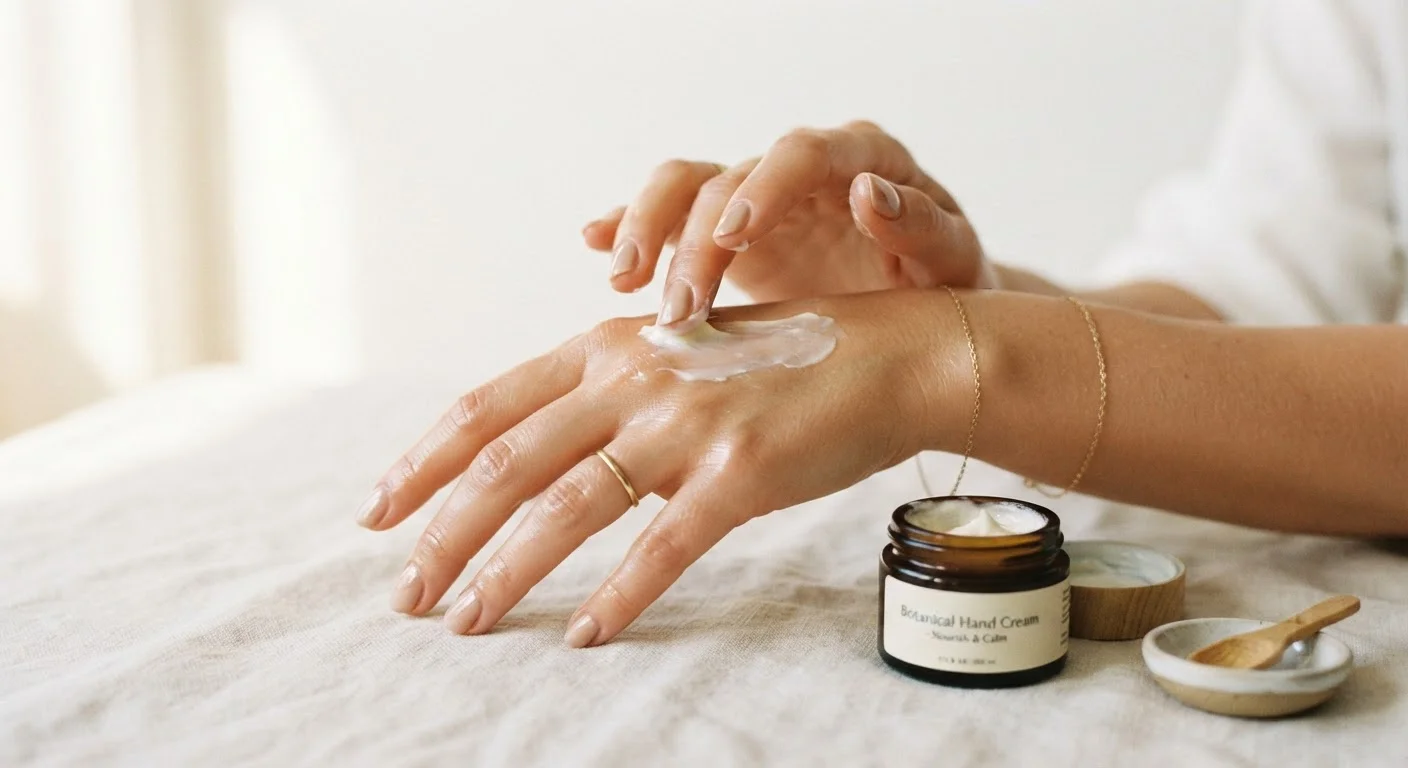
Photo credit: AdvisorHQ.net | Informative Website
In this article
Frequent washing is necessary, but it takes a toll. Learn the habits that protect hand skin from dryness, cracking, and irritation.
Key Takeaways
- Frequent handwashing strips natural oils, making deliberate moisturizing essential - not optional.
- Applying hand cream immediately after washing locks in moisture most effectively.
- Water temperature, soap choice, and drying technique all significantly affect skin barrier health.
- Overnight treatments with occlusive ingredients can help repair severely dry or cracked skin.
- Persistent redness, cracking, or peeling may signal an underlying condition worth discussing with a dermatologist.
Why Handwashing Takes Such a Toll on Skin
Handwashing is non-negotiable for hygiene, but its cumulative effect on skin is real. Soap and water remove surface pathogens - and at the same time strip away the skin's natural lipid barrier, the thin film of oils and proteins that keeps moisture in and irritants out. Do this many times a day and that barrier never fully recovers between washes.
The result is what dermatologists call transepidermal water loss (TEWL) - moisture escaping faster than skin can replenish it. Signs include tightness immediately after washing, visible flaking, redness along the knuckles, and in more advanced cases, small painful fissures (cracks) in high-flex areas. Cold, dry winter air compounds the problem because humidity drops indoors and outdoors simultaneously.
Understanding this mechanism matters because it shapes every protective habit that follows. The goal isn't to wash less - it's to compensate more deliberately. If you've noticed that your broader skincare routine sometimes worsens rather than helps your skin, see our guide on recognizing when a skincare routine is damaging rather than helping.
What You Need Before You Start
Good hand care doesn't require an elaborate product collection. The essentials are straightforward, and most are already common household items.
What you will need
Fragrance-free hand soap
Cleanses without added fragrances or dyes that commonly trigger irritation in already-compromised skin.
Hand cream with humectants
Draws moisture into the skin from the environment and deeper skin layers, reducing TEWL after washing.
Petroleum jelly or occlusive balm
Creates a physical seal over the skin surface to prevent overnight moisture loss during intensive repair treatments.
Cotton gloves
Worn over an overnight occlusive treatment to boost absorption and protect bedding.
Soft microfiber or cotton towel
Allows thorough but gentle pat-drying that avoids further abrasion to sensitive skin.
Step-by-Step: A Daily Hand Care Routine
Follow these steps each day - and adapt them around your handwashing frequency. The more often you wash, the more consistently each step matters.
Choose the right soap and water temperature
Use lukewarm - not hot - water. Hot water is more effective at stripping oils than removing pathogens, so it creates extra damage without extra hygiene benefit. Choose a fragrance-free, dye-free soap; fragrances are among the most common causes of contact dermatitis on hands. Lather for at least 20 seconds, then rinse thoroughly.
Pat dry - don't rub
Press a clean soft towel gently against the skin to absorb water. Rubbing, especially along knuckles, creates micro-abrasion that worsens an already-stressed barrier. Leave hands slightly damp rather than bone-dry - this residual moisture helps the next step work better.
Apply moisturizer within 60 seconds of drying
This is the single highest-impact habit in hand care. Applying cream to slightly damp skin locks in that surface moisture before it evaporates. Squeeze a small amount - roughly the size of a nickel - and work it in from the back of the hand inward, paying extra attention to knuckles and the skin between fingers. Don't forget the cuticle area.
Use an overnight occlusive treatment for repair
When skin is visibly cracked or extremely dry, a nightly treatment accelerates recovery. Apply a thin layer of a plain occlusive - such as petroleum jelly - over your usual hand cream after your final wash of the day, then slip on a pair of cotton gloves. The occlusive prevents any overnight moisture loss, and gloves keep it in contact with skin long enough to work. Most people see noticeable improvement within three to five nights.
Protect hands during high-risk tasks
Dishwashing, cleaning with chemical products, and gardening are among the most common causes of hand skin damage - often more so than handwashing itself. Wear waterproof gloves for wet tasks and cotton-lined rubber gloves for cleaning products. For gardening, fitted work gloves reduce abrasion and exposure to soil irritants. If you have sensitive skin, consider reviewing how your broader skincare approach is structured - see our guide to building a skincare routine for your skin type.
Seasonal and Situational Adjustments
Hand skin faces different stressors across the year. In winter, cold air and indoor heating create a double-dry environment; switching to a thicker cream formula and wearing gloves outdoors can significantly reduce moisture loss. In summer, frequent exposure to chlorinated pool water or sunscreen application creates its own irritation pattern - rinse hands with fresh water after swimming and reapply moisturizer.
People who work in healthcare, food service, or any job requiring repeated washing or glove use face a particular challenge. Barrier repair creams - those formulated with ceramides, niacinamide, or panthenol - are especially useful in occupational settings because they actively help rebuild the lipid layer rather than just coating it.
Hand care fits naturally into a broader weekly personal care rhythm. Our weekly personal care checklist covers complementary habits - like nail and cuticle maintenance - that are easy to batch into a single session rather than doing ad hoc.
Nail and Cuticle Care Belongs Here Too
Cuticles are part of the hand's barrier system - they seal the base of the nail and protect against bacteria and fungi. Avoid cutting them; instead, gently push them back after a shower when they're soft. Regular moisturizing of the cuticle area reduces hangnails and the minor injuries that can invite infection.
This article provides general skincare information and education. It is not medical advice. If you experience persistent pain, severe cracking, bleeding, or symptoms that suggest an allergic or inflammatory skin condition, consult a qualified healthcare professional or dermatologist before beginning any new treatment approach.

Author
Health & Beauty Editorial Team
Health & Beauty Editorial Team is the collective byline for our editorial team and contributor network. Articles published under this byline or an editorial pen name are researched, written, and reviewed according to our editorial standards for clarity, consistency, and independence before publication.
View all articles →