
Scalp Health 101: What It Is and Why It Affects More Than Your Hair
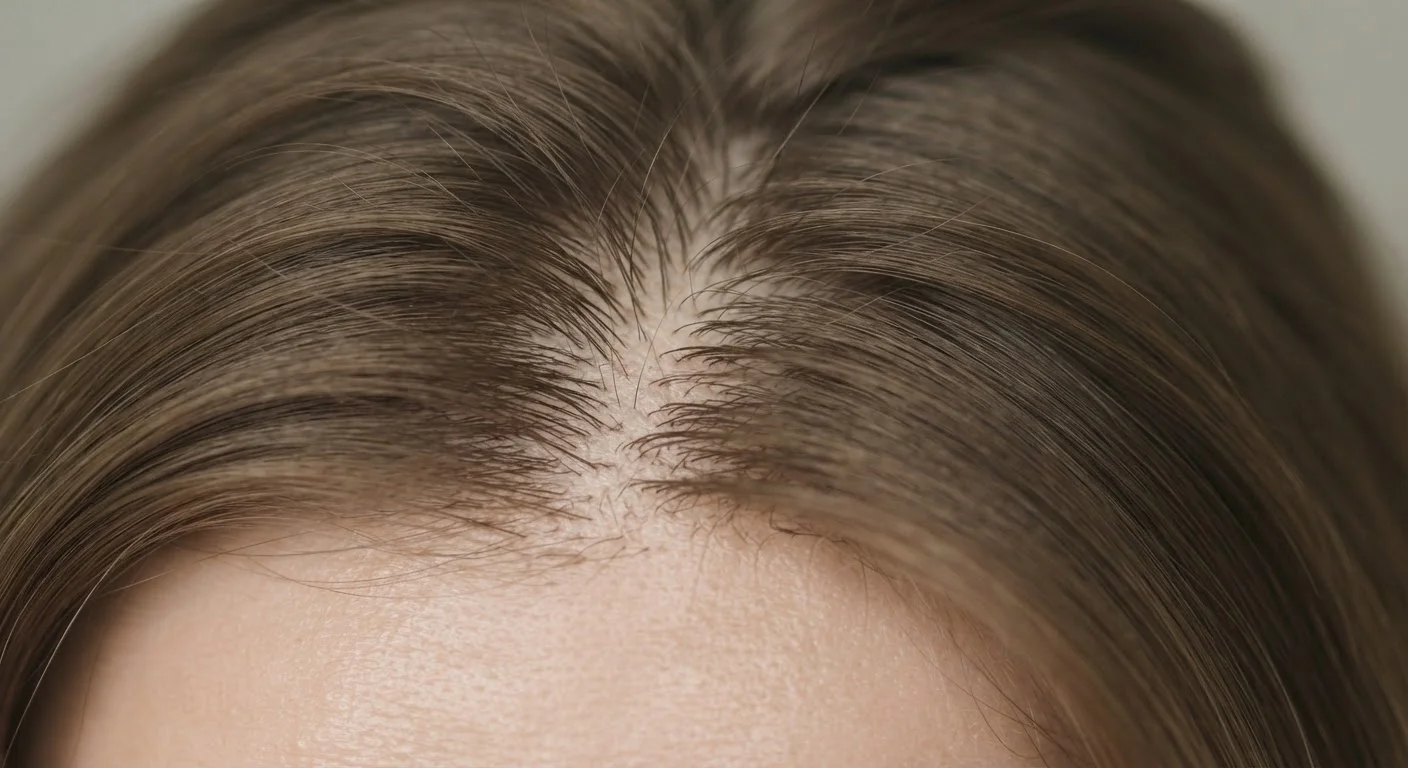
Photo credit: AdvisorHQ.net | Informative Website
In this article
Your scalp is skin, and it needs attention just like the rest of it. This guide covers what scalp health means and the habits that support it.
Key Takeaways
- The scalp is skin and shares the same barrier biology as the rest of your body.
- An unhealthy scalp environment can directly affect hair follicle function and hair quality.
- Common issues like dryness, flaking, and excess oil are often manageable with consistent habits.
- Washing frequency, product choice, and mechanical stress all influence scalp condition.
- Persistent or worsening scalp symptoms warrant evaluation by a licensed dermatologist.
What Scalp Health Actually Means
The scalp is simply the skin covering the top of your head. Like the skin on your face or arms, it has a barrier function, produces sebum (its natural oil), hosts a microbial community, and responds to environmental stressors. Understanding this is the starting point for any informed scalp care routine.
A healthy scalp maintains a balanced moisture level, a functioning skin barrier, and a stable microbiome - the community of bacteria, fungi, and other microorganisms that coexist on the skin's surface. When any of these factors fall out of balance, the scalp signals distress through symptoms like itching, flaking, redness, or excess oil production.
Because scalp skin shares the same biology as skin elsewhere on your body, the same foundational principles apply. Our article on how the skin barrier works provides useful context for understanding why barrier integrity matters - including on your scalp.
Sebum
The natural oil produced by sebaceous glands in the skin. On the scalp, sebum lubricates hair and helps protect the skin surface, but too much or too little can cause problems.
Skin barrier
The outermost layer of skin that acts as a protective shield, locking in moisture and keeping out irritants and pathogens. A damaged barrier is a common root cause of scalp sensitivity.
Scalp microbiome
The community of microorganisms - bacteria, fungi, and others - that naturally live on the scalp's surface. A balanced microbiome contributes to a healthy scalp environment.
Hair follicle
A small, tube-like structure in the skin from which each individual hair grows. The follicle's surrounding environment directly affects hair quality and the hair growth cycle.
Seborrheic dermatitis
A common inflammatory skin condition affecting oil-prone areas like the scalp, characterized by flaking, redness, and itching. It is associated with an overgrowth of naturally occurring scalp yeast.
Contact dermatitis
A skin reaction - either allergic or irritant - triggered by direct contact with a substance. On the scalp, common triggers include fragrances, preservatives, or harsh cleansing agents in hair products.
How the Scalp Affects Hair Growth
Hair grows from follicles - small pockets in the skin that each produce a single hair strand. The health of the surrounding scalp tissue directly shapes the environment those follicles live in. Chronic inflammation, poor circulation, or a buildup of sebum and product residue can impair follicle function and, over time, influence the quality and density of hair that grows.
This is why scalp health is sometimes described as the foundation of hair health. A follicle embedded in well-nourished, non-inflamed skin is better positioned to produce hair through its full growth cycle. Conversely, prolonged scalp neglect - even without diagnosable disease - can contribute to increased shedding or dull, fragile strands.
It is important to note that hair loss is influenced by many factors, including genetics, hormones, nutrition, and medical conditions. Scalp health is one piece of a more complex picture, not a guaranteed determinant of outcome.
Common Scalp Concerns and What Causes Them
Several scalp conditions are widespread enough that most adults will encounter at least one during their lifetime:
- Dandruff and seborrheic dermatitis: Both involve flaking and are associated with an overgrowth of the yeast Malassezia, which is naturally present on skin. Seborrheic dermatitis is the more pronounced form, producing redness and thicker, greasier scales.
- Dry scalp: Caused by insufficient moisture or a disrupted barrier, often worsened by cold air, over-washing, or harsh cleansers. The flakes tend to be smaller and drier than dandruff.
- Scalp psoriasis: An inflammatory autoimmune condition that produces thick, silvery plaques. Requires professional diagnosis and management.
- Contact dermatitis: An allergic or irritant reaction to a product ingredient - fragrance, preservatives, and certain surfactants are common triggers.
- Folliculitis: Inflammation or infection of hair follicles, often presenting as small red bumps or pustules, typically requiring medical evaluation.
Many of these conditions overlap in appearance, which is one reason self-diagnosis has real limitations. If you are uncertain what you are dealing with, a dermatologist can distinguish between them accurately.
Avoid Self-Treating Undiagnosed Conditions
Dandruff shampoos, medicated rinses, and scalp exfoliants can be helpful for the right condition - but counterproductive or irritating for the wrong one. Using an antifungal product on a dry scalp, for example, may worsen symptoms. When in doubt about what you are dealing with, get a professional diagnosis before committing to a treatment approach.
Daily Habits That Support a Healthy Scalp
Most people can meaningfully improve their scalp environment through consistent, evidence-informed habits - no elaborate routine required:
- Wash at an appropriate frequency. Over-washing strips sebum and can disrupt the barrier; under-washing allows buildup that may irritate follicles. Your ideal frequency depends on scalp type, sweat levels, and hair texture. The hair washing myths most people still believe article addresses this directly.
- Use gentle, pH-appropriate cleansers. Scalp skin has a naturally acidic pH. Harsh alkaline shampoos can disrupt that balance. Look for formulations that describe themselves as gentle or balanced - and check that you are not reacting to any listed ingredient.
- Rinse thoroughly. Residual shampoo or conditioner left on the scalp is a common and underappreciated irritant. A full rinse takes longer than most people assume.
- Minimize heat and mechanical stress. High-heat styling tools and tight hairstyles that pull on follicles can cause cumulative damage to both scalp skin and hair structure.
- Support general skin health. Adequate hydration, a varied diet, and stress management all influence skin function systemwide - and the scalp is no exception. Exploring overlooked personal care habits can surface other gaps in your routine.
Try a Scalp Massage While Shampooing
Using your fingertips (not nails) to gently massage the scalp during washing can help loosen product buildup and promote circulation in the skin. It takes only an extra minute or two and is a low-effort addition to any wash routine. Consistency matters more than technique.
When to See a Dermatologist
Scalp care at home addresses a lot, but it has limits. Certain situations call for professional evaluation rather than continued self-management:
- Symptoms that persist or worsen after several weeks of consistent gentle care
- Visible hair thinning or patches of hair loss
- Significant redness, swelling, pain, or crusting
- Suspected allergic reactions to products
- Any condition that resembles psoriasis, lichen planopilaris, or folliculitis
A board-certified dermatologist can examine the scalp directly - and, when needed, perform tests or a biopsy - to reach an accurate diagnosis. Scalp conditions diagnosed early are generally easier to manage than those addressed after prolonged delay.
The broader principles covered in skincare basics - particularly around barrier care and ingredient awareness - translate well to scalp-focused routines and are worth exploring as you build your approach.
This article is for general informational purposes only and does not constitute medical advice. If you have concerns about your scalp health, consult a qualified healthcare professional or board-certified dermatologist.
Frequently Asked Questions

Author
Health & Beauty Editorial Team
Health & Beauty Editorial Team is the collective byline for our editorial team and contributor network. Articles published under this byline or an editorial pen name are researched, written, and reviewed according to our editorial standards for clarity, consistency, and independence before publication.
View all articles →