
Pre-Winter Home Readiness Checklist
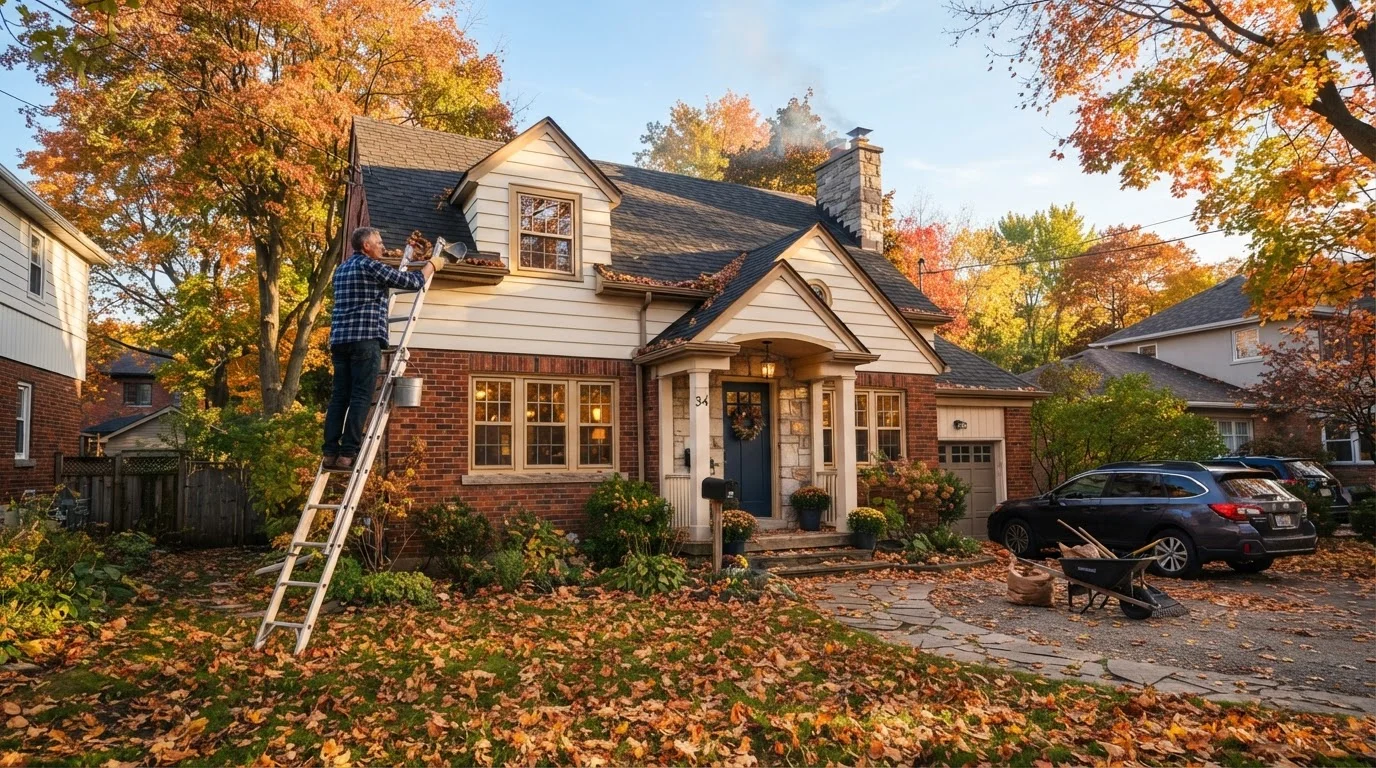
Photo credit: AdvisorHQ.net | Informative Website
In this article
Work through this checklist before cold weather arrives: gutters, HVAC filters, pipe insulation, weatherstripping, and other seasonal maintenance tasks.
Key Takeaways
- Cleaning gutters and downspouts before the first freeze prevents ice dams and water damage.
- Replacing HVAC filters and scheduling a furnace inspection improves efficiency and safety.
- Insulating exposed pipes in unheated spaces is one of the most cost-effective freeze-prevention steps.
- Sealing gaps around doors and windows with weatherstripping reduces drafts and heating costs.
- Outdoor tasks like draining hoses and protecting plants should be completed before the first frost.
- Working through this checklist systematically helps avoid overlooked tasks that lead to costly repairs.
Why a Pre-Winter Audit Matters
Winter arrives fast, and the window for outdoor maintenance closes quickly once temperatures drop. A frozen pipe, a cracked foundation vent, or a clogged gutter can escalate from a minor annoyance into a significant repair bill if it goes unaddressed before cold weather sets in. This checklist gives you a structured way to walk through your home - inside and out - and catch those vulnerabilities before they become emergencies.
Think of it as a seasonal audit rather than a series of chores. You're not just completing tasks; you're building a clear picture of your home's readiness. Pair this with your outdoor prep work - our fall yard prep checklist covers lawn and garden winterization in detail - and you'll head into the cold months with confidence.
Know the Limits of DIY Repairs
Tasks involving your electrical panel, gas lines, structural elements, or main plumbing supply typically require a licensed professional. This checklist focuses on DIY-accessible maintenance. When in doubt about a repair's complexity or safety, contact a qualified contractor and check whether a permit is required in your area.
Roof Work Carries Serious Fall Risk
Walking on a roof without proper safety equipment and experience is dangerous. Limit visual roof inspections to what you can see from the ground or a ladder at eave height. For any repairs, hire a licensed roofing professional rather than attempting work on pitched surfaces.
Tasks involving your electrical panel, gas lines, structural elements, or main plumbing supply typically require a licensed professional. This checklist focuses on DIY-accessible maintenance. When in doubt about a repair's complexity or safety, contact a qualified contractor and check whether a permit is required in your area.
Tools You'll Need
Before you begin, gather the basic supplies listed below. Having everything on hand prevents you from stopping mid-task to make a hardware store run.
Ladder
Needed for safely reaching gutters, downspouts, and roof edges during inspection.
Caulk gun and exterior-grade caulk
Used to seal gaps around window frames, door frames, and wall penetrations.
Foam pipe insulation sleeves
Slipped over exposed pipes in unheated spaces to prevent freezing.
Replacement weatherstripping
Used to reseal gaps at the edges of exterior doors where heat escapes.
HVAC filter (correct size for your system)
Replaces the old filter to maintain heating efficiency and air quality.
Flashlight or headlamp
Essential for inspecting dark areas like crawlspaces, attics, and utility rooms.
Gutter scoop or garden trowel
Makes removing packed leaf and debris buildup from gutters faster and easier.
Voltage tester
Used to safely verify power is off before inspecting accessible electrical outlets or fixtures - never work on live wiring.
Working Through the Checklist
The checklist is divided into four areas: exterior, heating and energy, interior systems, and emergency preparedness. Work through them in order - exterior tasks are most weather-dependent and should be done first. For each item marked must, prioritize completion before the first forecast freeze in your region.
Exterior
Heating and Energy Efficiency
Interior Systems and Pipes
Safety and Emergency Preparedness
Schedule Your Furnace Inspection Now
If you have a gas furnace or boiler, schedule a professional inspection before the heating season begins. A certified HVAC technician can identify cracked heat exchangers, blocked flues, and carbon monoxide risks that are not visible during a DIY walk-through. Do not skip this step if your system has not been serviced in more than a year.
If you have a gas furnace or boiler, schedule a professional inspection before the heating season begins. A certified HVAC technician can identify cracked heat exchangers, blocked flues, and carbon monoxide risks that are not visible during a DIY walk-through. Do not skip this step if your system has not been serviced in more than a year.
Staying Organized After the Checklist
Once you've worked through every item, take a few minutes to note anything that needs follow-up - a cracked caulk joint you couldn't repair that day, or a furnace filter size to reorder. A simple list taped inside a cabinet door works just as well as a dedicated app. Staying organized through winter also ties naturally into broader home organization habits; our Home Organization hub offers practical strategies for managing household tasks year-round.
If you're also preparing your vehicle for cold weather, our seasonal vehicle prep guide walks through tire checks, fluid levels, and battery readiness - all worth addressing on the same weekend you tackle this home checklist.

Author
Home & Garden Editorial Team
Home & Garden Editorial Team is the collective byline for our editorial team and contributor network. Articles published under this byline or an editorial pen name are researched, written, and reviewed according to our editorial standards for clarity, consistency, and independence before publication.
View all articles →