
Fall Yard Prep Checklist Before the First Frost Arrives
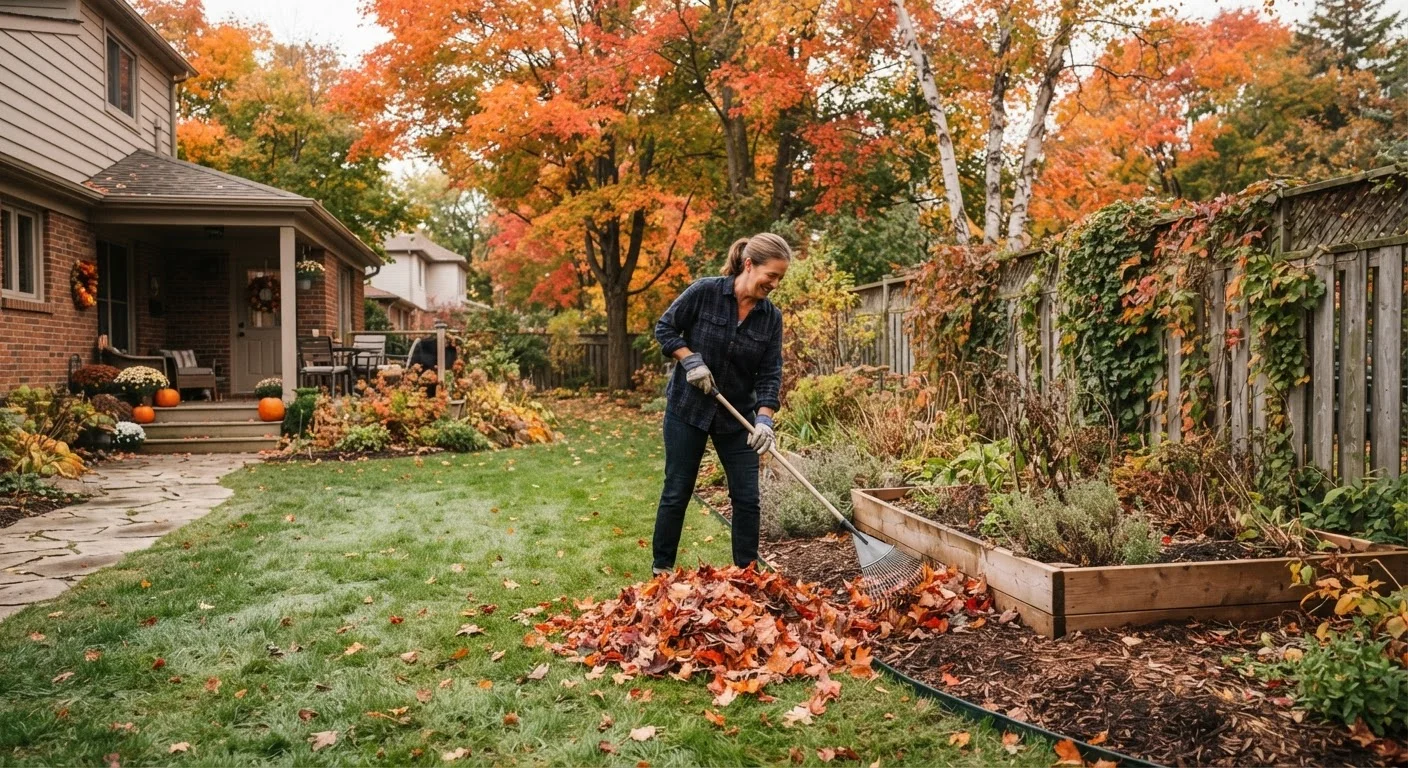
Photo credit: AdvisorHQ.net | Informative Website
In this article
Use this seasonal checklist to winterize your lawn, protect perennials, clean garden beds, and set yourself up for an easier spring.
Key Takeaways
- Aerating and fertilizing your lawn in fall gives grass roots a stronger start come spring.
- Cutting perennials back to the right height protects crowns from freeze-thaw damage.
- Draining irrigation lines and hoses before the first freeze prevents costly cracking.
- Mulching garden beds after the ground cools - not before - helps regulate soil temperature.
- Storing tools and equipment properly in fall extends their useful life significantly.
- Fall yard prep directly reduces the amount of work needed when spring arrives.
Why Fall Yard Prep Matters More Than You Think
Most gardeners focus their energy on spring planting and summer maintenance - but what you do (or skip) in fall has a direct effect on how your yard recovers when temperatures rise again. Roots continue to develop in cool soil long after the first frost; grass that has been properly fertilized and aerated in fall is measurably stronger come spring. Perennials that are correctly cut back and mulched tend to return more vigorously. The work you put in now is an investment you'll see returned in April and May.
This checklist covers the five most important areas: lawn care, garden beds and perennials, irrigation and water features, trees and shrubs, and tools and equipment. Work through them in any order that suits your weekend schedule. For a broader picture of how fall fits into the full annual cycle, see The Seasonal Lawn Care Calendar Every Homeowner Should Know - it maps out month-by-month tasks across all four seasons.
Don't Mulch Too Early
Applying mulch to garden beds before the ground has experienced its first hard frost can actually trap warmth in the soil and encourage rodents to nest close to plant roots. Wait until after the ground has frozen at least an inch deep before laying your mulch layer. Timing this correctly makes the insulation genuinely effective.
Tree Pruning Has Limits for DIYers
Removing dead limbs from small shrubs and low-hanging branches is a reasonable fall DIY task, but work on large branches, storm-damaged trees, or any pruning near power lines should be left to a certified arborist. Improper cuts can cause property damage, injury, or long-term harm to the tree.
What You'll Need Before You Start
Running through this checklist is much smoother when tools and materials are gathered in advance. Below are the key items you'll want on hand. Some are essential regardless of your yard type; others are optional depending on whether you have an irrigation system, young trees, or established perennial beds.
Core Aerator
Pulls plugs of soil from the lawn to relieve compaction and improve root penetration before winter.
Garden Rake
Removes fallen leaves and thatch from lawn and bed surfaces efficiently.
Air Compressor with Blow-Out Adapter
Forces water out of irrigation lines to prevent freezing and pipe damage.
Pruning Shears
Cuts back perennial stems and removes dead or damaged shrub growth cleanly.
Slow-Release Fall Fertilizer
Delivers phosphorus and potassium to lawn roots through the dormant season.
Burlap or Tree Wrap
Protects young tree trunks and shrub foliage from frost cracking and windburn.
Mulch (shredded bark or straw)
Insulates garden bed soil after hard frost to moderate freeze-thaw temperature swings.
If you plan to introduce new plantings next year, fall is also an excellent time to do a soil test. Many cooperative extension offices offer low-cost testing kits that reveal pH and nutrient levels - giving you the winter to amend the soil before spring planting. If vegetable gardening is on your radar for next season, Starting a Vegetable Garden From Scratch is a solid resource to review over the colder months.
The Complete Fall Yard Prep Checklist
Work through the groups below systematically. Items marked must are non-negotiable for protecting your yard; should items are strongly recommended for most property types; nice to have items add value but can be skipped in a pinch.
Lawn Care
Garden Beds & Perennials
Irrigation & Water Features
Trees & Shrubs
Tools & Equipment
Blow Out Irrigation Lines Before Hard Frost
Failing to fully drain in-ground irrigation systems is one of the most costly fall oversights a homeowner can make. Water left in underground lines expands as it freezes and can crack PVC pipes, fittings, and valves. If you are not comfortable operating an air compressor on your system, consider hiring a licensed irrigation contractor to perform the winterization - it typically takes under an hour and can save significant repair costs.
Once your yard is buttoned up for winter, it's also worth turning your attention indoors and to your home's exterior. The Pre-Winter Home Readiness Checklist covers gutters, pipe insulation, weatherstripping, and HVAC filters - tasks that pair naturally with an outdoor fall session.
Thinking Ahead: Setting Yourself Up for Spring
The payoff for thorough fall prep isn't just a yard that survives winter - it's a yard that genuinely thrives when the season turns. Lawns that were aerated and fertilized in fall tend to green up earlier and more evenly. Perennial beds that were properly mulched often show stronger emergence and fewer disease problems. Bulbs planted in fall reward you with color before most annuals are even in stores.
If you're thinking about reducing future maintenance demands, fall is also a smart time to evaluate whether your plant choices are working for your climate. Native plants adapted to your region often require less watering, fertilizing, and winter protection than non-native ornamentals - worth considering as you plan next year's beds.
Take photos of your yard now, before everything goes dormant. Having a visual record of what grew where, what struggled, and what overwintered well is surprisingly useful when you're standing in the garden center in March trying to remember what worked.

Author
Home & Garden Editorial Team
Home & Garden Editorial Team is the collective byline for our editorial team and contributor network. Articles published under this byline or an editorial pen name are researched, written, and reviewed according to our editorial standards for clarity, consistency, and independence before publication.
View all articles →