
The Hidden Costs of Owning a Smartphone Most People Overlook
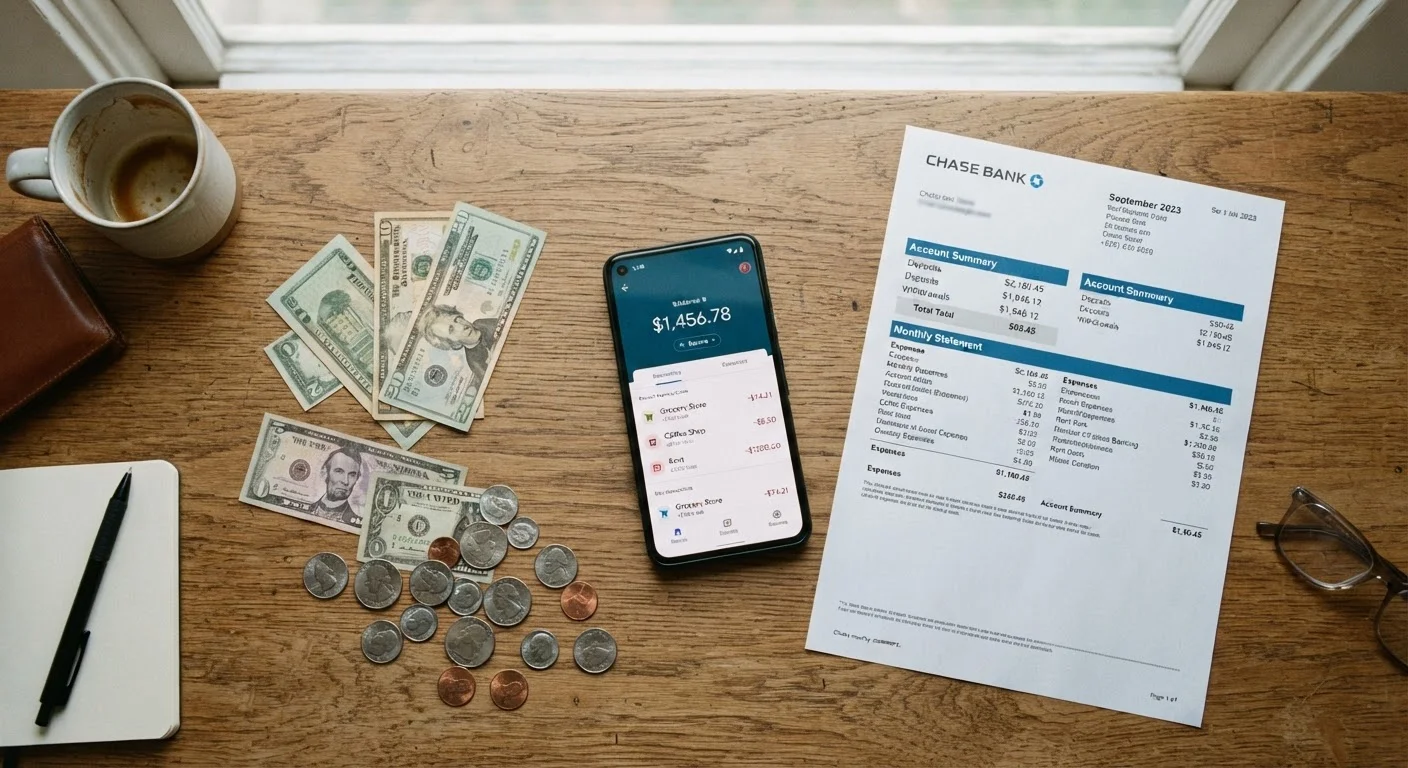
Photo credit: AdvisorHQ.net | Informative Website
In this article
Beyond the upfront price, phone ownership comes with ongoing expenses many buyers don't consider. Here's a realistic picture.
Key Takeaways
- The upfront device price is often the smallest part of total smartphone ownership cost over two years.
- Carrier plans, insurance, accessories, and app subscriptions quietly add hundreds of dollars annually.
- Understanding every recurring expense helps you budget realistically and avoid surprise charges.
- Some hidden costs - like data overages and repair fees - can be reduced with simple planning.
- Trade-in value and device depreciation affect the true long-term cost of upgrading frequently.
The Purchase Price Is Just the Beginning
When most people think about the cost of a smartphone, they picture the sticker price - anywhere from a few hundred to well over a thousand dollars for a flagship device. But that number, paid once, is rarely the largest line item over the life of the phone. The real expense is cumulative and spread across the months and years that follow.
Consider that a typical two-year carrier contract or installment plan turns a $900 phone into a $37-per-month line item before service charges even enter the picture. Add a mid-tier unlimited data plan, and the combined device-plus-service bill easily exceeds $100 per month - meaning a two-year commitment can push total expenditure past $2,400 for a single line. Families multiplying that across multiple lines feel the impact even more acutely.
Just as car ownership involves far more than the dealership price, smartphone ownership layers on costs that rarely appear in the advertisements promoting the device.
The Recurring Costs That Catch Buyers Off Guard
Beyond the device and service plan, several recurring expenses deserve a spot in any honest smartphone budget.
Device Insurance and Warranty Plans
Carrier-offered insurance typically runs $10-$20 per month. Over two years, that's up to $480 - sometimes more than a mid-range phone is worth. Third-party warranty services exist at lower price points, but exclusions vary widely. It's worth reading the fine print before enrolling, because some plans exclude cracked screens or water damage unless you pay an additional deductible.
App Subscriptions
Many apps that once required a single purchase have shifted to subscription models. Streaming services, cloud storage tiers, productivity tools, and even some fitness apps charge monthly or annually. It's easy to accumulate $30-$60 per month in app subscriptions without noticing, particularly when trials auto-convert to paid plans. Reviewing what apps you've granted access to is also a good moment to audit which ones you're still actively paying for.
Accessories
Cases, screen protectors, charging cables, wireless chargers, and earbuds all carry real price tags. A quality case might run $30-$60; a replacement charging brick or cable can add another $20-$40. These feel like small purchases individually but accumulate meaningfully over a two-year device cycle.
Depreciation, Upgrades, and the Trade-In Trap
Smartphones lose value quickly. A flagship device that costs $1,000 at launch may be worth $300-$400 as a trade-in just 18 months later - and significantly less if the screen is cracked or the battery health has declined. This depreciation curve is steepest in the first year, which means frequent upgraders absorb the sharpest losses.
Carrier trade-in promotions often look attractive on the surface, but the credited value is typically spread across 24-36 months of service and tied to remaining on a specific plan. If you switch carriers or downgrade your plan before the promotional period ends, you may lose remaining credits entirely.
$1,200+
Estimated annual per-line phone ownership cost
Industry analysts tracking carrier plan pricing and device installment averages consistently place all-in annual costs at over $1,000 per line when service, device, and accessories are combined.
40-60%
Typical value lost in first 18 months
Consumer electronics resale data shows flagship smartphones depreciate sharply in their first year, with trade-in values often falling by half relative to the original retail price.
$30-$60
Average monthly app subscription spend
Surveys of smartphone users in the U.S. suggest many people underestimate their monthly app spending, with streaming, cloud storage, and productivity tools being the most common recurring charges.
Understanding battery health can also reduce the temptation to upgrade prematurely. Common battery myths lead many people to replace phones earlier than necessary - a battery replacement costing $50-$100 can extend a phone's useful life by one to two years.
Building a Smarter Smartphone Budget
The first step to controlling smartphone costs is listing every monthly charge associated with your device: the installment plan or lease payment, the service plan, insurance, and every app subscription. Many people find charges they forgot they authorized.
From there, a few practical adjustments make a meaningful difference:
- Audit app subscriptions annually. Cancel any service you haven't used in the past 30 days. Most app stores provide a subscription management screen that lists everything in one place.
- Compare insurance alternatives. Homeowners or renters insurance sometimes covers mobile devices at lower incremental cost than carrier plans. Check your existing policy before enrolling in a separate phone plan.
- Hold devices longer. Moving from an 18-month to a 30-month upgrade cycle significantly reduces annualized cost and allows you to own the device outright before trading it in.
- Buy accessories selectively. Generic charging cables certified to the relevant standard often perform identically to premium-branded versions at a fraction of the price.
Hidden costs in consumer technology mirror the patterns found in other major purchases. Travelers face the same dynamic with resort fees and baggage surcharges - the advertised price rarely tells the full story. Approaching smartphone ownership with the same skeptical budgeting mindset puts you in a much stronger financial position.
Check Your Plan's Data Overage Policy
Most modern unlimited plans throttle speeds rather than charge per-gigabyte overages, but some legacy or budget plans still bill for extra data. If you're on an older plan, reviewing the overage terms once a year is worthwhile - switching to a current unlimited tier can sometimes cost less than the overages you're already paying. Contact your carrier directly to compare your current plan against current offerings.

Author
Tech & Gadgets Editorial Team
Tech & Gadgets Editorial Team is the collective byline for our editorial team and contributor network. Articles published under this byline or an editorial pen name are researched, written, and reviewed according to our editorial standards for clarity, consistency, and independence before publication.
View all articles →