
Streaming Audio Quality Myths Most People Still Believe
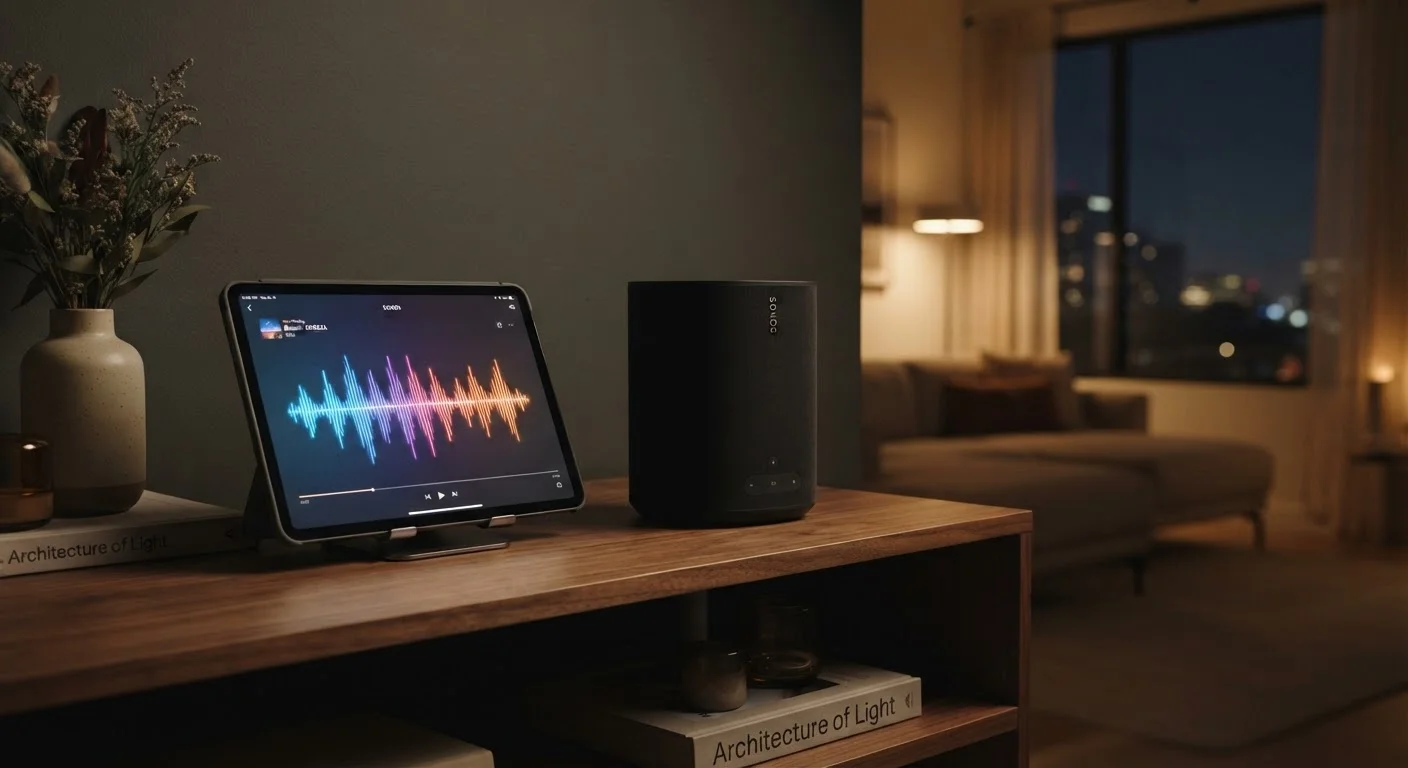
Photo credit: AdvisorHQ.net | Informative Website
From lossless audio to Wi-Fi vs. Bluetooth debates, separating streaming audio fact from persistent fiction for everyday listeners.
Key Takeaways
- Higher bitrate does not always mean audibly better sound for most listeners in most environments.
- Lossless audio requires compatible hardware and ideal listening conditions to deliver any perceptible benefit.
- Bluetooth audio quality has improved dramatically with modern codecs and is often sufficient for everyday use.
- Wi-Fi streaming is not automatically superior to Bluetooth - connection stability matters more than the medium.
- Streaming platform audio quality differences are often smaller than marketing language suggests.
Why Streaming Audio Myths Are So Persistent
Audio quality is one of those topics where intuition feels reliable but often misleads. Numbers on a spec sheet - bitrate, sample rate, bit depth - look meaningful, and marketing materials are happy to make them sound decisive. The result is a set of widely held beliefs that influence purchasing decisions and listening habits without much grounding in how audio perception actually works.
Just like the smartphone battery myths that keep people following outdated charging rituals - see our guide to common battery misconceptions - streaming audio is full of ideas that once had some basis in reality but have since been overtaken by technological progress or were never entirely accurate to begin with.
The myths below cover the claims everyday listeners encounter most often, from lossless audio to the Bluetooth vs. wired debate.
Myth
Lossless audio always sounds noticeably better than compressed streaming.
Fact
Most listeners cannot reliably distinguish lossless from high-bitrate compressed audio in controlled blind tests.
Lossless formats like FLAC or Apple Lossless (ALAC) preserve every bit of the original recording. That sounds impressive - and technically it is. But human hearing has real limits. Research into lossy codec performance consistently shows that well-encoded audio at 256-320 kbps (kilobits per second) is indistinguishable from lossless for most people, most of the time. Audible differences tend to emerge only on high-end reference headphones or speakers, in very quiet rooms, for trained listeners. For casual listening on earbuds during a commute, the gap is effectively zero.
Myth
Higher streaming bitrate always means better sound quality.
Fact
Bitrate is one factor in audio quality, but the encoder quality, mastering, and playback hardware matter equally or more.
Bitrate measures how much data is used per second of audio. A higher number can mean better quality - but only up to a point, and only when everything else is equal. A poorly mastered track at 320 kbps will still sound worse than a well-mastered track at 256 kbps. Similarly, the codec doing the encoding matters: AAC (Advanced Audio Coding) at 256 kbps typically outperforms older MP3 encoding at the same bitrate. Always consider the full chain, not just one number.
Myth
Bluetooth audio is always worse than a wired connection.
Fact
Modern Bluetooth codecs like aptX HD and LDAC can deliver very high audio quality, often indistinguishable from wired for most listeners.
Early Bluetooth audio genuinely was limited - early versions compressed audio heavily and introduced latency. That reputation has lingered long past its expiration date. Today's high-quality Bluetooth codecs transmit audio at bitrates that rival many wired connections, and for most real-world listening scenarios the difference is negligible. The caveat: both your source device and your headphones or speakers must support the same higher-quality codec. If one side of the connection only supports the baseline SBC codec, the audio quality falls back to that lower standard regardless of your hardware's potential.
Myth
Streaming over Wi-Fi always sounds better than streaming over Bluetooth.
Fact
Wi-Fi and Bluetooth serve different roles; audio quality depends on the codec and source, not the wireless medium alone.
Wi-Fi streaming - sending audio data from a router to a smart speaker - and Bluetooth streaming - sending audio from a phone to headphones - are not directly comparable. Wi-Fi excels at buffering large amounts of data reliably, which helps with high-bitrate or lossless streams. But the audio quality you actually hear depends on what codec and bitrate the platform sends, and whether your speaker or headphone can decode it properly. A lossless stream over Wi-Fi to a speaker that downsamples it internally may sound no different than a high-quality Bluetooth stream to well-matched headphones.
Myth
Turning on 'high quality' or 'lossless' mode in a streaming app always improves what you hear.
Fact
Quality improvements are only realized if every link in the audio chain - app, device, connection, and output hardware - supports the higher format.
Enabling a premium audio setting in an app changes the format the app requests from its servers. But that signal still has to travel through your device's audio processor, your connection type, and finally your speakers or headphones. If any link in that chain bottlenecks the signal - for example, a phone's digital-to-analog converter (DAC) that resamples everything to a fixed rate, or Bluetooth falling back to SBC - the higher-quality source file makes no audible difference. Check your hardware specifications before assuming the setting is doing what you expect.
Making Sense of Audio Quality in Practice
Understanding these myths points toward a more practical approach to streaming audio. Rather than chasing the highest-labeled tier on a streaming plan, start by evaluating what your actual listening setup can support. Check whether your headphones or speakers list specific codec support. Consider your typical listening environment - background noise in most homes and commutes masks the subtle differences between audio formats entirely.
Your Ears and Your Gear Both Matter
No streaming format, codec, or bitrate setting delivers its full potential without compatible playback hardware and a reasonably quiet listening environment. Before upgrading a plan for higher audio quality, check whether your headphones, speakers, and device actually support the format being advertised. Paying for lossless audio and playing it through a basic built-in laptop speaker produces no audible improvement whatsoever.
If audio fidelity genuinely matters to you, the most impactful investments are usually in better output hardware - quality headphones or speakers - and a quieter listening environment, not necessarily a premium-tier streaming plan. That said, if a plan upgrade is inexpensive and convenient, there is nothing wrong with it; just go in with accurate expectations rather than marketing-driven ones.
For a broader look at how streaming services compare on the content and features side - not just audio - our streaming vs. cable breakdown covers what each approach actually delivers for everyday households. And if you enjoy this style of myth-busting, the same fact-check approach applies well beyond tech - from common hair care misconceptions to widely believed investing myths.
Beware of 'Audiophile' Marketing Claims
Terms like 'studio quality,' 'HD audio,' and 'hi-res' are used inconsistently across platforms and manufacturers. A label alone does not confirm that the audio chain from source to your ears is actually delivering higher fidelity. Always verify that your specific device and connection method support the claimed format before assuming you are hearing a difference.
Audio quality is deeply personal, and there is real value in experimenting with your own setup. The goal here is not to discourage interest in better sound - it is to make sure the decisions you make are based on how audio actually works rather than on assumptions that do not hold up.

Author
Tech & Gadgets Editorial Team
Tech & Gadgets Editorial Team is the collective byline for our editorial team and contributor network. Articles published under this byline or an editorial pen name are researched, written, and reviewed according to our editorial standards for clarity, consistency, and independence before publication.
View all articles →