
What Streaming Platforms Don't Tell You About Their Content Libraries
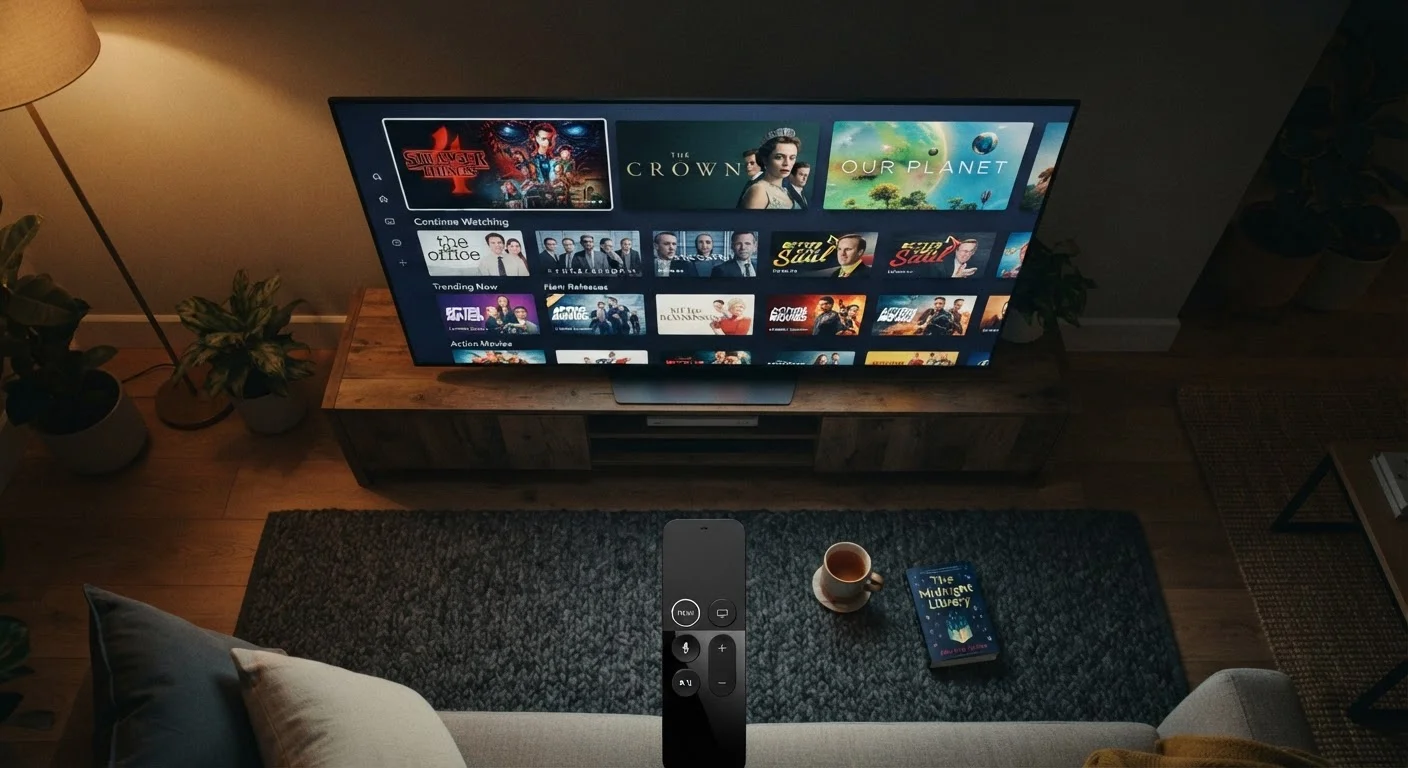
Photo credit: AdvisorHQ.net | Informative Website
In this article
Title counts, regional availability, and licensing gaps are rarely advertised. Here's what shapes a streaming library behind the scenes.
Key Takeaways
- Title counts are marketing figures - a library's quality and variety matter more than raw numbers.
- Licensing agreements control what's available, and those deals regularly expire, causing titles to disappear.
- Content libraries vary by country, so the same subscription may offer very different titles depending on where you are.
- Platforms prioritize their own original productions partly because they own those rights outright.
- Catalog titles quietly cycle in and out with little or no advance notice to subscribers.
The Title Count Is a Marketing Number
Streaming platforms frequently advertise their library size in the tens of thousands of titles. Those numbers aren't lies, but they are carefully framed. A title count typically includes every episode of every season of every TV series as individual entries, short-form content, and material that may be available only at certain subscription tiers. The raw number tells you very little about whether the platform actually has what you want to watch.
What matters more is the composition of a library: how much of it is recent, how much is in-demand, and how much falls into broad genres that match your tastes. Before subscribing, it's worth exploring what's actually accessible to you rather than leading with the headline number. Our guide on what to evaluate before subscribing to a streaming service walks through these factors in detail.
~45%
Licensed vs. original content ratio on major platforms
Industry analysts have estimated that licensed third-party content still makes up a significant share of most major streaming libraries, though the proportion varies widely by platform.
Varies by region
Titles available per country on the same subscription
Studies of major streaming platforms have found meaningful differences - sometimes thousands of titles - between what's available in the U.S. versus other countries on identical plans.
Short-term deals
Typical licensing window for third-party content
Most streaming licensing agreements run for one to three years, after which content must be renegotiated or removed from the platform.
How Licensing Controls What You Actually Watch
The majority of non-original content on any streaming platform is licensed - meaning the platform pays a rights holder (a studio, distributor, or network) for permission to stream a title for a set period. When that window closes, the title disappears unless the deal is renewed. This is why a show you started watching can vanish mid-season, or a movie catalog can look dramatically different from one year to the next.
Licensing is also why the same title can appear on multiple platforms simultaneously or jump between services. A studio might license a film to one platform in the U.S. and a different platform in Canada. Rights deals are business negotiations, not a permanent arrangement - and subscribers are rarely given advance warning when one ends.
Licensing Gaps Can Affect Whole Seasons
It's not unusual for a streaming platform to hold the rights to some seasons of a series but not others. A studio may have retained rights to earlier seasons or licensed them to a different platform. Always check whether a full series is available before committing to it - or be prepared for gaps.
Platforms that invest heavily in original productions do so partly to sidestep this problem. Originals are owned by the platform outright, so they're not subject to expiring third-party licenses. That's a core business reason behind the volume of platform-exclusive content you see today.
Regional Availability: The Same Subscription, Different Library
Your streaming subscription doesn't travel the way your login credentials do. Content rights are negotiated separately for each country or region, which means a subscriber in the U.S. and one in Germany may pay identical prices for what is effectively a different service. Some titles are available globally; many are not.
This becomes practically relevant if you travel internationally. Accessing a streaming platform abroad may surface a substantially different catalog - sometimes larger, sometimes smaller - than what you're used to at home. Platforms design this intentionally to comply with the regional rights agreements they've signed.
It also affects what originals you can watch. A series produced and licensed for a specific market may take months to appear on the same platform in another country, if it arrives at all.
Why Catalogs Quietly Shift Over Time
Streaming libraries are dynamic, not static. Content rotates in and out based on license renewals, studio relationships, and competitive strategy. A platform that looked comprehensive when you subscribed may look quite different 18 months later - not because the platform changed its pricing, but because its licensing portfolio shifted.
Studios have increasingly pulled their own content from third-party streaming platforms to anchor their own direct-to-consumer services. That trend has fragmented what was once a more consolidated streaming landscape, meaning viewers who want access to content from multiple major studios now often need multiple subscriptions.
A family finishes season two of a licensed drama, only to find season three is no longer on the platform when they go back.
A traveler logs into her home streaming account while visiting Europe and notices different movies filling the home screen.
A subscriber notices a beloved catalog film suddenly available on a platform that didn't carry it six months ago.
Understanding this dynamic is one of the best reasons to periodically review which services you actually use versus which ones simply auto-renew. See our comparison of what streaming gains and gives up vs. cable for more context on how the landscape has evolved.
Frequently Asked Questions

Author
Tech & Gadgets Editorial Team
Tech & Gadgets Editorial Team is the collective byline for our editorial team and contributor network. Articles published under this byline or an editorial pen name are researched, written, and reviewed according to our editorial standards for clarity, consistency, and independence before publication.
View all articles →