
Keeping Good Maintenance Records: Why It Matters and What to Track
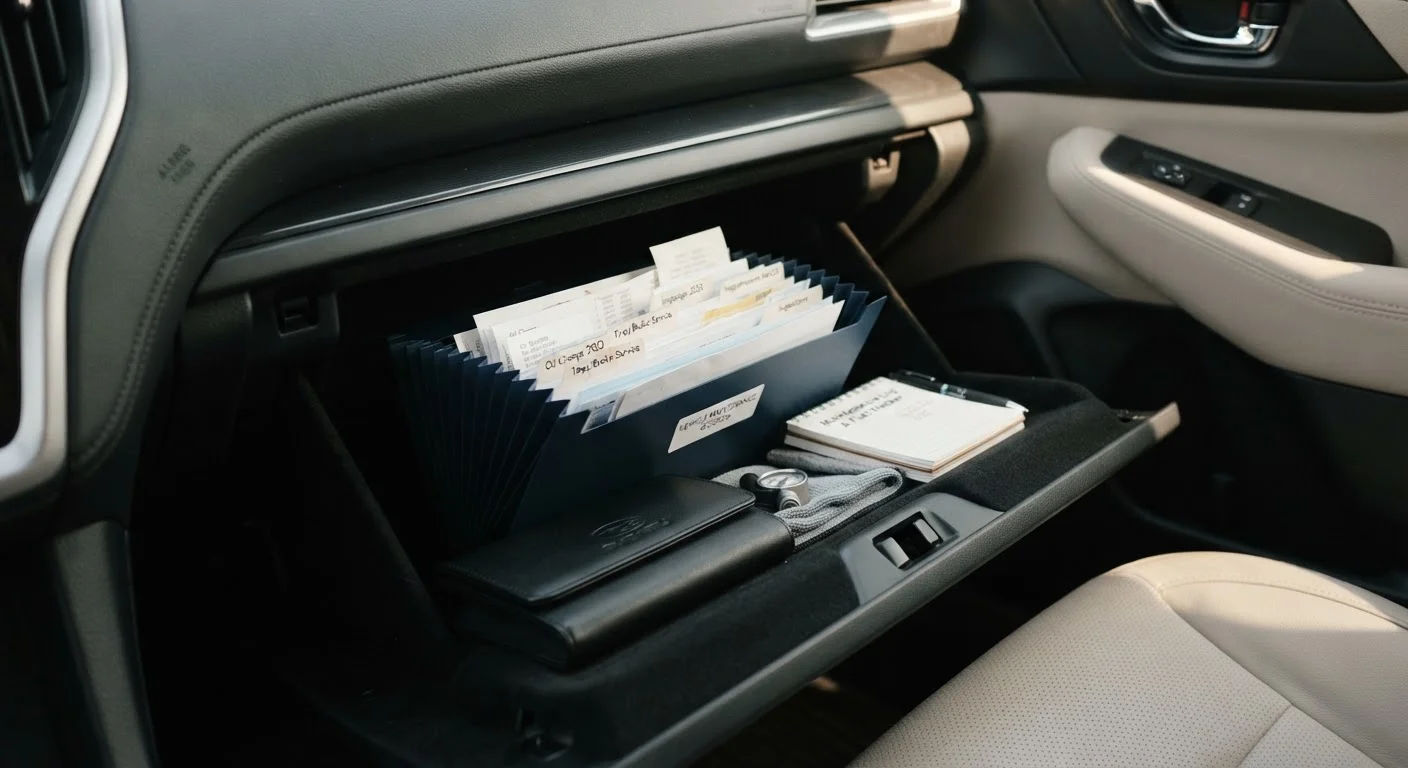
Photo credit: AdvisorHQ.net | Informative Website
In this article
A documented service history protects you, your vehicle, and its resale value. Here's a practical approach to keeping reliable records.
Key Takeaways
- A detailed maintenance log helps diagnose problems faster and can lower repair costs over time.
- Service records are a significant factor in a vehicle's resale value and buyer confidence.
- Tracking both mileage-based and time-based service intervals prevents costly missed maintenance.
- Digital tools and apps make record-keeping easier and harder to accidentally lose.
- Even DIY maintenance should be documented with date, mileage, and parts used.
Why Maintenance Records Are More Than Just Paperwork
Most drivers treat maintenance receipts as clutter - something that piles up in the glove compartment until it gets thrown away during a cleanout. That habit is more expensive than it looks.
A documented service history does several concrete things for you. It helps a mechanic understand your vehicle's condition at a glance, reducing diagnostic time and the risk of redundant work. It gives you proof that scheduled maintenance was done, which matters if a warranty claim arises. And when it comes time to sell or trade in your vehicle, a verifiable record of consistent care can meaningfully support the asking price - buyers and dealers both pay attention to documented history.
Think of your maintenance log as a running health record for your vehicle. Without it, every new mechanic or potential buyer is starting from zero. Reviewing your records annually is a straightforward habit that catches gaps before they become problems.
What to Track: The Essential Information
Good records don't require elaborate systems. At minimum, each service entry should capture:
- Date of service
- Odometer reading at the time of service
- What was done - oil change, brake inspection, tire rotation, fluid top-off, etc.
- Parts replaced, including brand or part number if available
- Who performed the work - shop name or a note that it was DIY
- Cost - useful for budgeting and spotting unusual charges over time
Beyond individual service entries, keep copies of your vehicle's recall notices and any related repair documentation. Recall repairs are performed at no cost and affect safety - confirming they were completed matters for both you and future owners.
Understanding your car's maintenance schedule makes it easier to know exactly which services to record and when they're due.
Record every service at the time it happens, not weeks later.
Memory fades quickly, and details like exact mileage or which fluid brand was used become uncertain fast. Logging service immediately - even on a notes app - preserves accuracy when it matters most.
Keep both a digital backup and a physical copy of your records.
Physical folders get lost in moves or water damage; phones get replaced and data can disappear without proper backup. Redundancy protects years of documented history.
Document DIY maintenance with the same detail as shop work.
Self-performed maintenance has no receipt as automatic proof. Without a written record, future mechanics and buyers have no way to verify that work was done correctly or at all.
Track upcoming service due dates alongside completed work.
A log that only records the past doesn't prevent missed intervals. Noting when the next oil change, tire rotation, or timing belt replacement is due keeps you ahead of the schedule rather than behind it.
Retain recall and warranty repair documentation separately.
Recall repairs affect safety and are tied to the vehicle's VIN - they travel with the car, not the owner. Keeping that documentation organized protects both current and future owners.
How to Keep Records Without Losing Them
The best record-keeping system is the one you'll actually use consistently. A few practical approaches:
Whatever format you choose, the key is consistency. A partial record is still more useful than no record - but a complete, organized one is significantly better. If you do your own maintenance, document it the same way a shop would. Skipping that step is one of the common habits that quietly cost drivers money.
For more guidance on which tasks belong on your service list, see routine maintenance habits that prevent larger repair bills.

Author
Cars & Driving Editorial Team
Cars & Driving Editorial Team is the collective byline for our editorial team and contributor network. Articles published under this byline or an editorial pen name are researched, written, and reviewed according to our editorial standards for clarity, consistency, and independence before publication.
View all articles →