
Routine Maintenance That Keeps Repair Bills from Spiraling
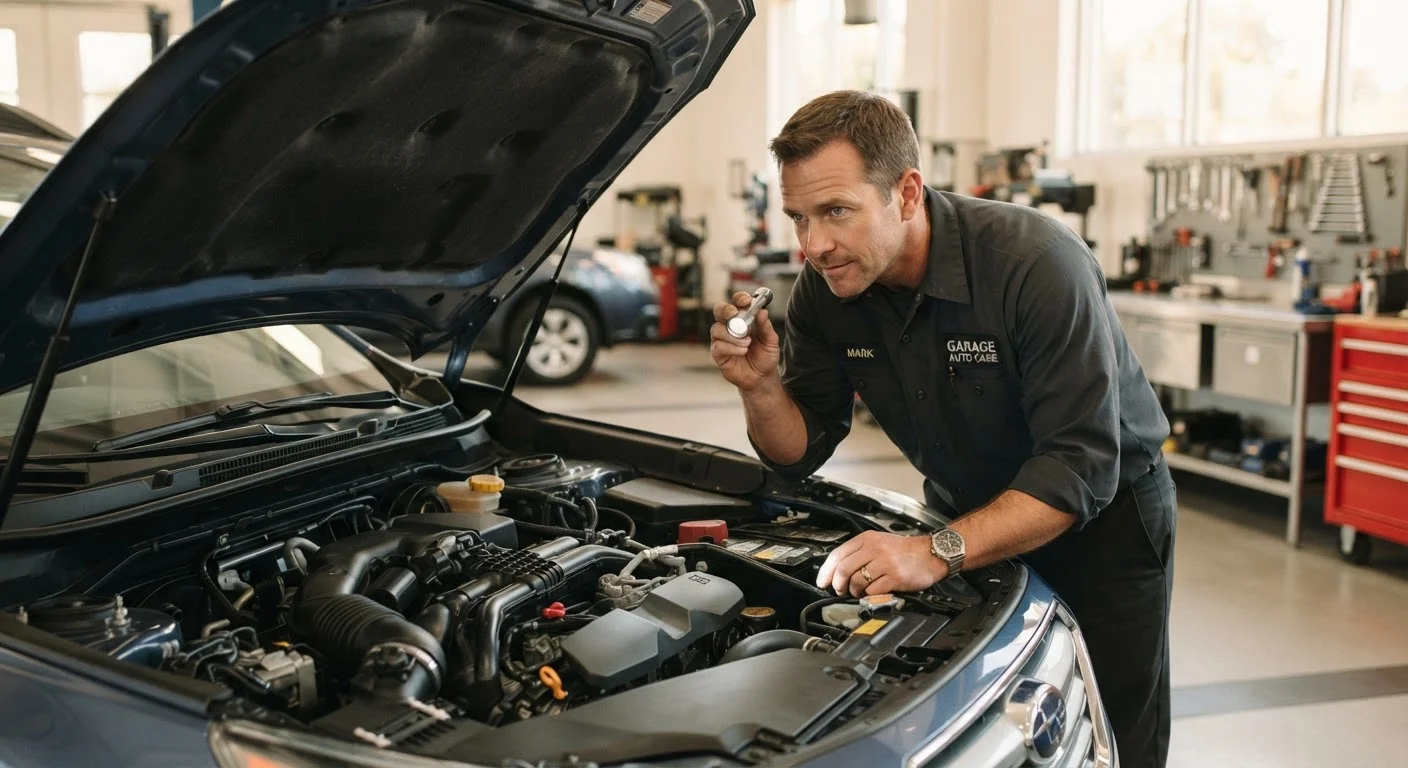
Photo credit: AdvisorHQ.net | Informative Website
In this article
Skipping oil changes or ignoring tire wear leads to far larger bills later. These maintenance habits protect both your car and your wallet.
Key Takeaways
- Following your owner's manual service schedule is the single most effective way to avoid large repair bills.
- Skipping oil changes is one of the most common and costliest maintenance mistakes drivers make.
- Tire pressure, tread depth, and rotation intervals directly affect both safety and long-term costs.
- Catching fluid leaks and worn brake components early prevents compounding damage to other systems.
- Good maintenance records protect resale value and help mechanics diagnose problems faster.
Why Small Neglects Become Large Bills
Most major car repair bills don't arrive without warning - they build gradually from ignored service intervals, dismissed dashboard lights, and small leaks left unaddressed. The connection between routine maintenance and long-term costs is direct: vehicle systems are interdependent, and when one degrades, the stress it places on adjacent components accelerates their wear too.
Understanding this cause-and-effect relationship is what separates drivers who are consistently caught off guard by repair costs from those who rarely are. The car maintenance guidance available to today's owners has never been more specific or accessible - the challenge is acting on it consistently.
Your Owner's Manual Is the Authority
Manufacturer service intervals are engineered for your specific engine, transmission, and operating conditions. Generic rules of thumb - like changing oil every 3,000 miles - may not apply to your vehicle and can lead to either unnecessary spending or under-maintenance. Always consult your manual first, and ask your mechanic to flag any manufacturer-specific requirements.
Core Maintenance Practices That Protect Your Vehicle
The following practices represent what decades of automotive engineering and real-world ownership experience consistently point to as the highest-impact habits a driver can maintain. None require specialized mechanical knowledge - they require only attention and consistency.
Follow your owner's manual service schedule without exception.
Manufacturers design service intervals based on the specific tolerances and wear rates of your vehicle's components. Deviating from these schedules - in either direction - creates risk of premature failure or wasted spending. The manual is not a suggestion; it is the most reliable maintenance guide you have.
Check tire pressure monthly and rotate tires on schedule.
Underinflated tires wear unevenly, reduce fuel efficiency, and increase blowout risk. Regular rotation distributes wear evenly across all four tires, extending their usable life significantly. Both habits together represent one of the highest-return maintenance investments available to any driver.
Address any fluid leaks as soon as they appear.
Fluids - oil, coolant, brake fluid, transmission fluid - are what keep your vehicle's systems from destroying themselves through heat and friction. A slow drip rarely stays slow; leaks tend to worsen under heat and pressure, and the secondary damage they cause often costs far more than the original repair. See why ignoring a small oil leak tends to become a large problem.
Inspect brake pads and rotors at every tire rotation.
Brake wear is gradual and easy to ignore until braking performance noticeably degrades - at which point rotors may already be damaged. Replacing pads before they wear through costs a fraction of replacing both pads and rotors. Consistent inspections keep stopping power reliable and total costs lower.
Keep a documented maintenance log for every service performed.
A complete service history helps mechanics diagnose recurring problems faster, prevents duplicate services, and protects resale value. Buyers and dealers consistently favor vehicles with verifiable maintenance records. Documentation is also useful if a warranty or insurance claim requires proof of upkeep. Learn more about keeping good maintenance records.
Quick Actions You Can Take Right Now
Not every maintenance task requires a shop visit or a free afternoon. Several of the most impactful habits take only minutes and cost nothing. Use these as a starting point if your maintenance routine has lapsed.
For a more comprehensive annual review of both financial and safety items related to your vehicle, see the annual car ownership checklist. If you're uncertain which tasks you can handle at home versus those requiring a professional, DIY car maintenance guidance can help you draw that line clearly.
The Long View: Maintenance as an Ownership Strategy
Consistent maintenance is not simply about avoiding breakdowns - it is an ownership strategy that affects resale value, insurance considerations, and your overall confidence on the road. A well-maintained vehicle is easier to sell, cheaper to insure in many cases, and less likely to leave you stranded.
“Deferred maintenance is never free. Every mile driven on worn brakes or low oil is a mile closer to a repair that could have been avoided entirely.”
— Cars & Driving Editorial Team, Automotive ownership and maintenance guidance
Drivers who treat the safe driving practices side of ownership with the same discipline they apply to service schedules tend to report lower total costs of ownership over time. Both are forms of risk management that compound in your favor. If you ever find yourself reviewing a shop estimate and unsure what you're paying for, our guide to reading a mechanic's estimate explains the line items in plain language.

Author
Cars & Driving Editorial Team
Cars & Driving Editorial Team is the collective byline for our editorial team and contributor network. Articles published under this byline or an editorial pen name are researched, written, and reviewed according to our editorial standards for clarity, consistency, and independence before publication.
View all articles →