
Signs Your Coolant System Needs Attention Before It Overheats
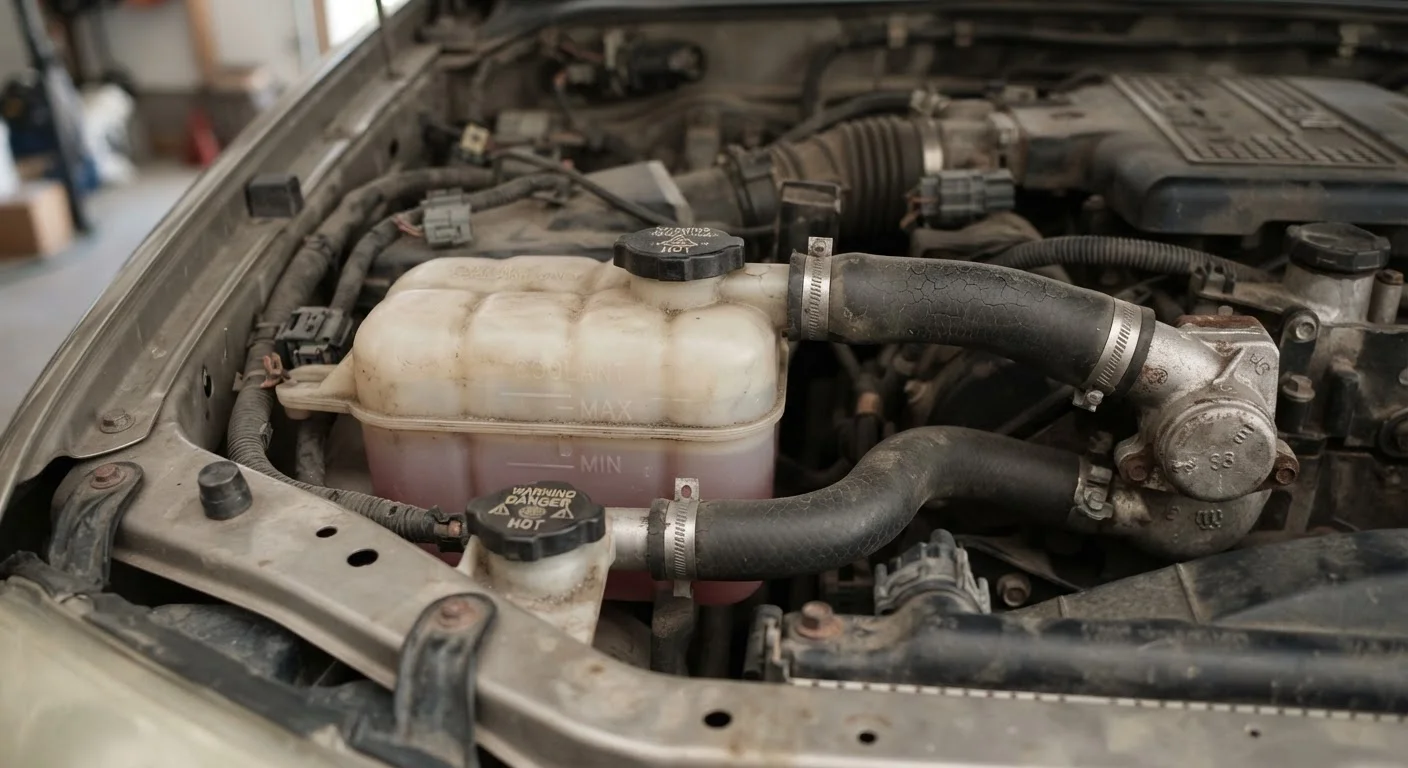
Photo credit: AdvisorHQ.net | Informative Website
In this article
Engine overheating rarely happens without warning. Learn the early indicators that your cooling system may be struggling.
Key Takeaways
- A rising temperature gauge is one of the earliest and most reliable coolant system warning signs.
- Sweet-smelling odors or visible puddles under your car often indicate a coolant leak.
- Heater performance problems inside the cabin can reflect low coolant levels, not just a broken heater.
- Discolored or milky coolant is a serious red flag that warrants immediate professional inspection.
- Consistent monitoring of your coolant level and condition takes only minutes and can prevent major repairs.
Why Cooling System Problems Rarely Strike Without Warning
Engine overheating is one of the most damaging things that can happen to a vehicle - but it almost never comes out of nowhere. The cooling system, which circulates coolant (also called antifreeze) through the engine and radiator to regulate temperature, typically gives off several detectable signals before it fails completely.
Understanding those signals is the difference between a minor repair and a seized engine. The warning signs listed below are arranged from the most immediately visible to the more subtle - each one is worth taking seriously. For broader context on which maintenance tasks you can reasonably handle yourself versus when to call a professional, see our guide to DIY car maintenance.
Temperature gauge climbing higher than normal
Your dashboard temperature gauge is the cooling system's most direct readout. Under normal conditions, the needle should settle in the middle range after the engine warms up and stay there. If you notice it creeping toward the red zone - especially during highway driving or while idling in traffic - your engine is working harder than the cooling system can manage.
Don't dismiss a gauge that occasionally spikes and returns to normal. Intermittent overheating often points to a thermostat that is sticking or a coolant level that is too low to maintain consistent circulation.
A temperature gauge that creeps toward red is the cooling system's clearest early distress signal.
Sweet or syrupy smell from the engine bay
Coolant contains ethylene glycol, a compound with a distinctively sweet, slightly chemical odor. If you detect this smell while driving or after parking - particularly near the front of the vehicle - coolant is likely leaking onto hot engine surfaces and evaporating. The smell can also enter the cabin through the ventilation system if the leak is near the heater core.
This odor is often noticed before any puddle is visible, making it one of the subtler but earlier indicators worth acting on promptly.
A sweet, syrupy smell near the engine bay is a classic sign of evaporating coolant from a leak.
Puddles or stains under your parked car
A puddle forming under the front of your vehicle after it has been parked is worth investigating. Coolant is typically bright green, orange, pink, or blue depending on the formulation - and it will feel slightly slippery between your fingers. Water condensation from the air conditioning system is clear and thin; coolant is not.
Check the ground under your car periodically, particularly in warm weather when the cooling system works harder. A small, consistent leak will only grow under pressure.
Brightly colored, slippery puddles under a parked car often point to a coolant leak, not normal condensation.
Heater blowing cool air when it should be warm
The cabin heater works by passing hot coolant through a small radiator-like unit called the heater core. If coolant levels are low, there may not be enough fluid to circulate adequately through the heater core, resulting in weak or cool airflow even when the heat is set high.
Many drivers assume a weak heater is simply a heater problem, but the cooling system is often the root cause. A mechanic who diagnoses the heater alone - without checking coolant level and flow - may miss the underlying issue.
Weak cabin heat in winter can be a cooling system problem, not just a heater malfunction.
Visible coolant leaks around hoses or the radiator
Inspect the radiator hoses - typically located at the top and bottom of the radiator - for crusty white or greenish residue, soft spots, cracks, or swelling. These are signs that a hose is deteriorating and may soon fail. Similarly, look for staining around the radiator itself or at connection points. Hoses typically need replacement every four to five years, though heat and pressure cycles can accelerate wear.
Squeezing a cold hose gently (always with the engine off and completely cool) can reveal mushiness or brittleness that suggests it is past its service life.
Crusty residue or soft spots on coolant hoses are physical warning signs of impending failure.
Discolored, murky, or milky coolant
Healthy coolant is bright and translucent. If the fluid in your coolant reservoir looks brown, rust-colored, or has a milky, frothy appearance, those are red flags. Brown or rusty coolant suggests corrosion inside the system. Milky coolant - particularly if you also notice it in the oil cap - may indicate a blown head gasket, which allows engine oil and coolant to mix. This is a serious mechanical failure requiring immediate professional attention.
Checking the reservoir is straightforward: look at the semi-transparent plastic tank under the hood labeled with minimum and maximum lines. If the fluid looks wrong, don't top it off - have the system inspected first.
Milky or murky coolant is a serious red flag that should prompt immediate professional inspection.
Staying Ahead of Overheating
None of these warning signs require mechanical expertise to notice - most are visible, smellable, or readable right on your dashboard. Building a simple habit of checking your coolant level and condition during routine fill-ups takes under two minutes and gives you a meaningful early-warning advantage.
Check Coolant When the Engine Is Cold
Never open the radiator cap or coolant reservoir on a hot engine - pressurized coolant can spray and cause serious burns. Always wait at least 30 minutes after driving before inspecting coolant levels or condition. Checking the reservoir window is the safest way to get a quick read without opening anything.
Temperature extremes put additional stress on your cooling system. Our seasonal vehicle prep guide outlines specific steps to protect your car before summer and winter arrive. And if your dashboard warning light has come on, this reference on dashboard warning lights explains what each symbol means and how urgently to act.
When in doubt about the condition of your cooling system, a qualified mechanic can pressure-test the system, inspect hoses, and check coolant quality - catching problems that are invisible to the naked eye.

Author
Cars & Driving Editorial Team
Cars & Driving Editorial Team is the collective byline for our editorial team and contributor network. Articles published under this byline or an editorial pen name are researched, written, and reviewed according to our editorial standards for clarity, consistency, and independence before publication.
View all articles →