
Driving on the Interstate for the First Time
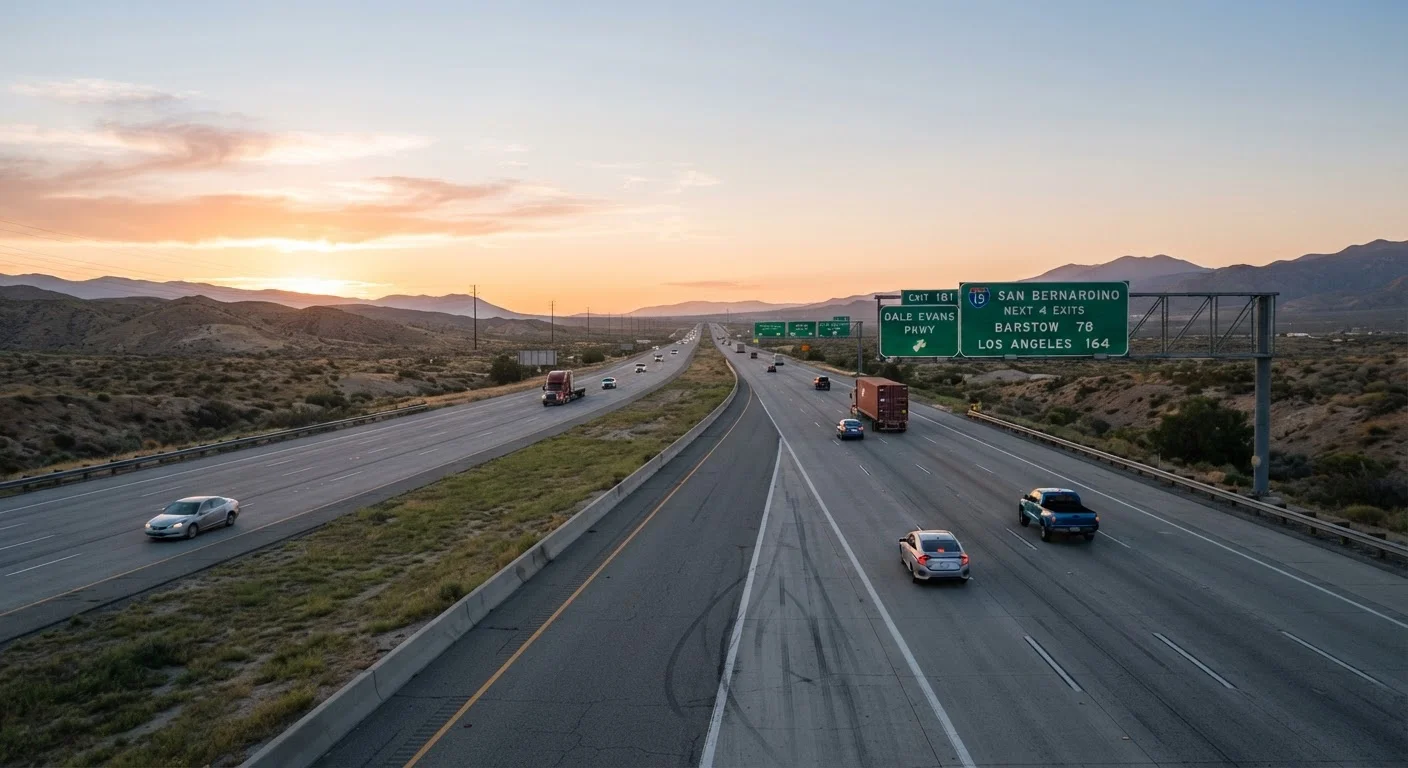
Photo credit: AdvisorHQ.net | Informative Website
In this article
Interstate driving feels different from surface roads — higher speeds, less margin for error. A grounded introduction to what to expect and how to prepare.
Key Takeaways
- Interstate driving operates at higher speeds with far less stopping distance - your attention demands are greater.
- Preparing your vehicle and your route before you enter the highway reduces mid-trip stress significantly.
- Merging correctly - matching speed before entering traffic - is one of the most critical skills to practice.
- Keep right except to pass; the left lane is not a travel lane on most U.S. interstates.
- Driver fatigue is a genuine safety risk on long highway stretches - plan rest stops proactively.
- Exiting requires anticipation; signal and move to the right well before your off-ramp appears.
How the Interstate Differs from Surface Roads
Surface streets have stop signs, traffic lights, driveways, and pedestrians - constant cues that naturally regulate your speed and attention. The interstate removes almost all of that friction. Access is controlled, speeds are higher, and every decision plays out faster.
That combination means errors that might be recoverable at 30 mph become much more serious at 70 mph. Stopping distances roughly quadruple when speed doubles, so following distance - a minimum of three seconds in good conditions - becomes non-negotiable rather than advisory.
The upside is that interstates are also engineered for safety: no cross traffic, clear lane markings, consistent signage, and shoulders designed to give you an emergency margin. Understanding this trade-off - greater speed, greater consequence, better infrastructure - helps you approach your first interstate drive with the right mindset rather than either overconfidence or unnecessary fear.
On-ramp
The acceleration lane that connects a surface road to the interstate, designed to let you build speed before entering highway traffic.
Following distance
The gap between your vehicle and the one ahead, measured in seconds. Three seconds is a commonly recommended minimum in normal conditions.
Blind spot
The area alongside your vehicle not visible in your mirrors - typically beside and slightly behind each rear quarter. Always check it by glancing over your shoulder before changing lanes.
Deceleration lane
The lane attached to an exit ramp where you reduce speed after leaving the main travel lanes - not a place to slow down while still in the main highway.
Highway hypnosis
A state of reduced alertness caused by monotonous driving conditions, where a driver continues operating the vehicle while losing conscious awareness of the road.
Gore point
The triangular painted area where an exit ramp separates from the main highway - marked as a no-drive zone and never to be crossed.
Before You Get On: Preparation Matters
Your vehicle condition matters far more at highway speeds. A tire that's 10 psi low creates modest handling changes around town but can affect stability significantly at 70 mph. Before any interstate trip, quickly confirm your tire pressure, fuel level, and that all lights and mirrors are properly adjusted. Our pre-trip safety checklist walks through this habit in detail.
Plan your route before you leave. Know your on-ramp, your exit number, and at least one alternate exit in case you miss yours. Interstate signs are clear but come up quickly at speed - if you're deciphering a map while merging, something will suffer. If you use navigation audio, keep the volume audible but not distracting.
First-timers also benefit from choosing a lower-traffic window. Weekday mid-mornings or early afternoons typically offer lighter conditions than commute hours or Friday afternoons. If you're new to vehicle ownership generally, first-time ownership basics covers the maintenance fundamentals that keep your car highway-ready.
Merging, Lane Choice, and Speed
Merging is the single technique most new highway drivers struggle with - and the one most worth getting right. The on-ramp is designed to let you reach highway speed before entering traffic, not after. Accelerate confidently on the ramp, check your mirrors and blind spot, signal, and look for a gap. Enter the right lane smoothly, without forcing other drivers to brake.
See our full guide to highway merging technique for a detailed breakdown of the maneuver and how to read traffic gaps effectively.
Once on the highway, stay in the right lane for general travel. The left lane exists for passing - use it to overtake a slower vehicle, then return right. In many states, occupying the left lane unnecessarily is a traffic violation. Match the flow of traffic within the posted limit; driving conspicuously slower than surrounding vehicles can increase rather than reduce collision risk.
Practice Merging Before Your First Real Trip
If possible, practice on a quieter highway or during off-peak hours before your first high-traffic interstate run. Getting comfortable with ramp acceleration and the timing of checking blind spots makes the real thing significantly less stressful. Even one or two practice merges builds meaningful confidence.
Staying Alert and Managing Fatigue
Highway monotony is real. Unlike city driving, which demands constant micro-decisions, interstates can lull drivers into reduced alertness - a condition sometimes called highway hypnosis. Symptoms include arriving at a point with no memory of the last several miles. If this happens, it's a signal to stop.
Plan a rest stop roughly every two hours or 100 miles on longer trips, not just when you feel tired. Fatigue often isn't felt until it's already affecting your reactions. A 15-minute break, a walk, and water can reset your alertness meaningfully. Avoid starting a long highway drive after a poor night's sleep.
Keep distractions minimal. At 70 mph, glancing at a phone for just five seconds covers the length of a football field without your eyes on the road. Adjust music, navigation, and climate controls before entering the highway or when safely stopped - not while moving.
Exiting Safely and What Comes Next
Exits require anticipation. Watch for green highway signs, which typically count down at one mile, half-mile, and exit intervals. When your exit is approaching, move to the right lane early - not at the last moment. Signal your intention clearly, check mirrors and your blind spot, then transition smoothly into the deceleration lane.
The deceleration lane is where you slow down, not the travel lane. Many first-time highway drivers brake too early while still in the right travel lane; this can startle drivers behind you. Instead, maintain highway speed until you're fully in the deceleration lane, then reduce speed to match the posted ramp limit.
If you miss your exit, continue calmly to the next one. Braking hard, reversing, or cutting across a gore point (the painted triangle between ramp and highway) are all dangerous and illegal maneuvers.
With a few intentional practice runs, the interstate becomes a predictable environment rather than a stressful one. For additional preparation, everything new drivers should know before a solo trip covers the broader mindset and practical skills that carry you well beyond your first highway experience.
Speed Limits Vary by State
U.S. interstate speed limits are set by individual states and range from 55 mph in some urban corridors to 80 mph in parts of the rural West. Always observe posted limits for the specific road you're on. Some states also enforce minimum speed limits to prevent traffic disruptions.
Frequently Asked Questions

Author
Cars & Driving Editorial Team
Cars & Driving Editorial Team is the collective byline for our editorial team and contributor network. Articles published under this byline or an editorial pen name are researched, written, and reviewed according to our editorial standards for clarity, consistency, and independence before publication.
View all articles →