
Road Rage: What Triggers It and How Drivers Can Break the Cycle
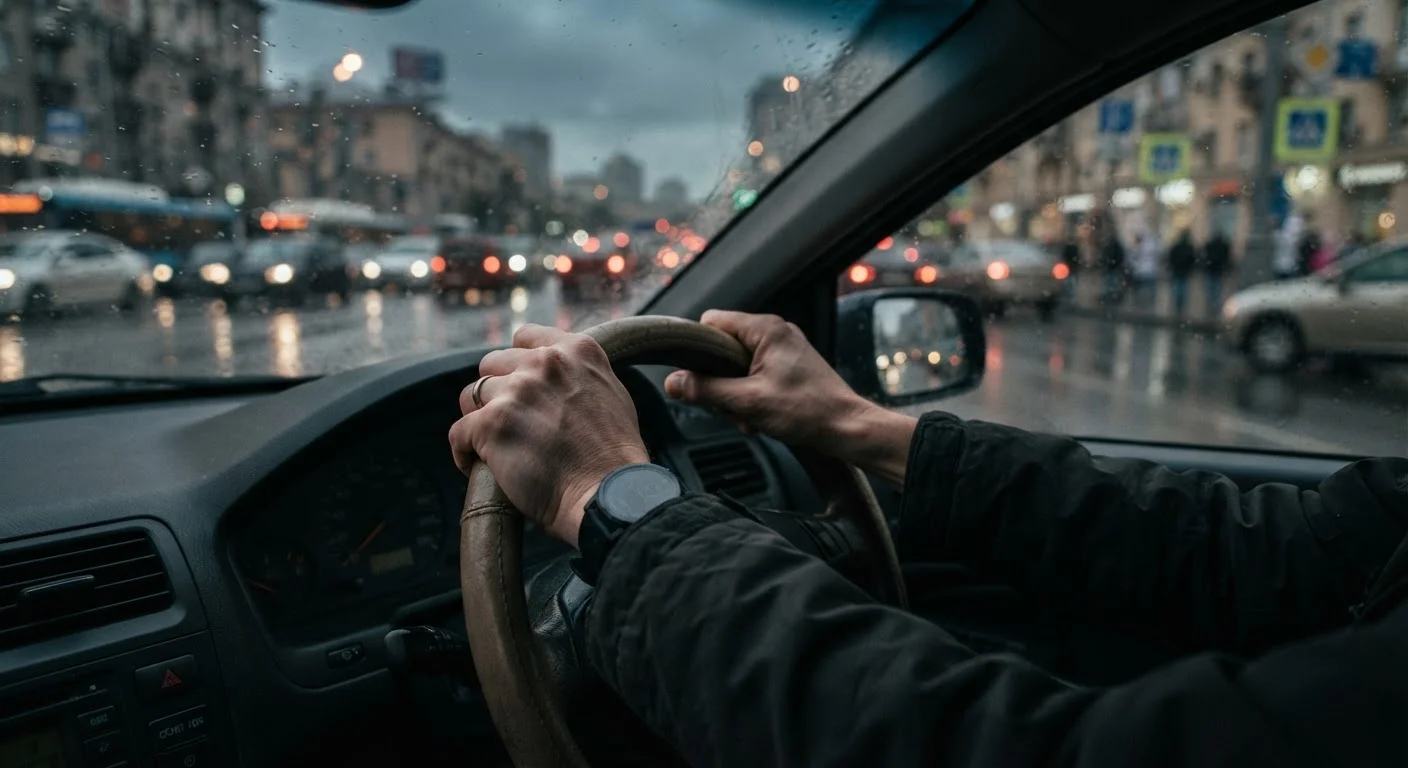
Photo credit: AdvisorHQ.net | Informative Website
In this article
Road rage escalates faster than most drivers expect. Learn what fuels aggressive behavior behind the wheel and how to stay calm under pressure.
Key Takeaways
- Road rage is not a random event - it is triggered by identifiable stressors that build over time.
- Anonymity behind the wheel lowers social inhibitions and makes aggressive responses more likely.
- Most road rage incidents escalate because both parties choose to engage rather than disengage.
- Simple habits like leaving earlier and managing in-car stress can meaningfully reduce your risk.
- If targeted by an aggressive driver, avoiding eye contact and creating distance are the safest responses.
Why the Car Becomes a Pressure Cooker
There is something specific about being inside a vehicle that changes how people process frustration. Drivers are physically enclosed, semi-anonymous, and under time pressure - a combination that strips away many of the social cues that normally moderate behavior in public. You would likely not shout at a stranger who accidentally bumped into you on a sidewalk, but behind the wheel, the same accidental cut-off can feel like a personal attack.
Psychologists refer to this as deindividuation - the sense that the car's shell reduces your visibility and, with it, your social accountability. Combined with the fact that driving demands sustained attention while often feeling frustratingly out of a driver's control, the vehicle becomes an environment that is uniquely primed for emotional escalation.
External stressors compound this effect. A driver who is already running late, dealing with a difficult day, or fatigued enters the road with a significantly lower frustration tolerance. A minor inconvenience - a slow merge, a missed green light - becomes the final straw rather than a forgettable moment.
Anonymity and Driver Behavior
Studies in traffic psychology consistently find that drivers behave more aggressively than the same individuals would in face-to-face situations. The physical separation provided by a vehicle reduces the normal social feedback that regulates interpersonal behavior. This is not a character flaw - it is a documented psychological response to the driving environment that all drivers should be aware of.
The Most Common Triggers
Road rage does not appear without cause. Research and traffic safety data consistently point to several recurring triggers:
- Perceived disrespect: Being cut off, tailgated, or having another driver fail to signal reads to many people as intentional rudeness, even when it is careless inattention.
- Running late: Time pressure narrows focus and reduces tolerance for anything that slows progress. Drivers who feel behind are statistically more likely to engage in aggressive behavior.
- Traffic congestion: Stop-and-go conditions create sustained frustration. The inability to move freely triggers a stress response that builds across the duration of a commute.
- Fatigue and heat: Physical discomfort, including sleep deprivation and high ambient temperatures, measurably reduces emotional regulation capacity.
- Retaliation cycles: Two drivers who each respond to the other's aggression can rapidly escalate a minor incident into a dangerous confrontation.
Understanding these triggers matters because most are addressable before you ever turn the key. See our guide to driving habits that erode over time for related patterns worth examining.
80%
Drivers who report experiencing road rage
According to AAA Foundation for Traffic Safety research, approximately 8 in 10 U.S. drivers reported engaging in at least one aggressive driving behavior in the previous year.
56%
Drivers who have made angry gestures at others
AAA Foundation for Traffic Safety data indicates over half of surveyed drivers admitted to making angry gestures at another driver in the prior 12 months.
Half
Targeted drivers who then behave aggressively
Research cited by the AAA Foundation suggests roughly half of drivers who are on the receiving end of aggressive behavior respond with aggression themselves, perpetuating escalation.
The Line Between Frustration and Aggression
Feeling annoyed while driving is normal. Road rage begins when that frustration translates into deliberate action aimed at another driver. The distinction matters both legally and practically.
Aggressive driving behaviors that frequently accompany road rage include following too closely, cutting another driver off intentionally, blocking lane changes, excessive honking, and making threatening gestures. These behaviors are dangerous not only because of their direct physical risk but because they invite escalation from the other party - and escalation is where serious harm typically occurs.
The contrast with defensive driving is instructive. A defensive driver anticipates that others may make mistakes and adjusts accordingly. An aggressive driver responds to those mistakes as provocations. Our article on defensive driving vs. aggressive driving explores this distinction in practical depth.
How to Break the Cycle - Before and During a Drive
The most effective interventions happen before a conflict starts. Practical strategies that reduce road rage risk include:
- Leave with a time buffer. Arriving on time feels less urgent when you have margin built in. This single change reduces the cognitive pressure that turns minor delays into perceived threats.
- Manage in-car environment. Music tempo, cabin temperature, and even seating comfort influence mood. Lower-stimulation environments tend to support calmer driving.
- Reframe other drivers' behavior. Most poor driving is careless, not malicious. Assuming incompetence rather than hostility reduces the emotional charge of a near-miss.
- Disengage, don't retaliate. If another driver acts aggressively, the fastest resolution is to create distance and remove yourself from the interaction entirely.
If you are the target of an aggressive driver: avoid eye contact, do not gesture or respond verbally, slow down or take an alternate route, and if you feel genuinely threatened, drive to a police station or populated public area rather than stopping in an isolated location.
Simple Habit: Add a Time Buffer
Leaving 10 to 15 minutes earlier than you think you need to is one of the most practical steps you can take to reduce road rage risk. When you are not in a hurry, minor traffic friction stops feeling like a crisis. This one habit changes the emotional tone of your entire drive before it begins.
Safe, measured habits behind the wheel also support better outcomes in other challenging conditions. See how weather changes the rules of the road for more on adapting your driving approach under pressure.
Frequently Asked Questions

Author
Cars & Driving Editorial Team
Cars & Driving Editorial Team is the collective byline for our editorial team and contributor network. Articles published under this byline or an editorial pen name are researched, written, and reviewed according to our editorial standards for clarity, consistency, and independence before publication.
View all articles →